 Appointment Lookup
 213-596-2538

Learn how a tankless water heater works and whether it’s right for your home.

Like any home appliance, your tankless water heater needs some TLC to keep it in top-notch condition. This includes regular cleaning to avoid mineral buildup and ensure energy efficiency. This detailed guide offers step-by-step instructions on how to clean and descale a tankless water heater. But first, let's understand why it's so crucial and what tools you need.
KEY TAKEAWAYS
A tankless water heater needs a good cleaning and descaling to function at its best. Over time, mineral deposits can build up, especially in hard water areas. This buildup interferes with heat transfer, leading to reduced efficiency and increased energy use.
Regular cleaning and descaling prevents issues such as reduced water flow, insufficient hot water supply, fluctuating water temperatures, and even system malfunctions.
So, how do you clean and descale a tankless water heater? Let's dive into the process.
Cleaning a tankless water heater starts with gathering the right tools. You'll need:
Note: You can also buy a descaling kit that will have many of the essential supplies listed above such as the pump, hoses, bucket and descaling solution. Buying the kit is typically more expensive but also more convenient that buying the items separately.
Before you start, ensure the power and water supply to the heater are turned off, along with the gas supply if applicable. Always follow the manufacturer's instructions for safety precautions.
Follow this step-by-step procedure to clean and descale a tankless water heater:
Start by turning off the power supply at the house circuit breaker for the water heater. Shut off the gas supply if you have a gas water heater. Next, shut off the cold water supply valve and hot water outlet valve.
Remove the service cap of the cold inlet valve and attach a garden hose to the fitting. (You may need to use the channel lock pliers to remove the service cap and tighten the garden hose.) Direct the other end to a suitable drainage area. Open the drain valve to empty the unit, then close it and disconnect the garden hose.
Follow the manufacturer's instructions to carefully remove the cover of the heat exchanger. Use soft brushes or cloths to clean it, ensuring all dust, debris, and sediment are removed. Reinstall the heat exchanger cover.
Use a manufacturer-recommended descaling solution or white vinegar to dissolve mineral deposits. Follow the instructions provided with the descaler so mix the solution. Thoroughly rinse the solution or vinegar from water heater afterwards. Here’s the basic descaling procedure:
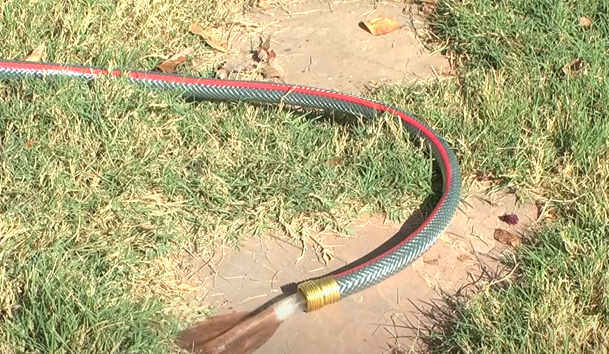
By following these basic instructions to clean a tankless water heater, you can keep your unit running smoothly. Always refer to your specific unit's manual for any manufacturer-specific instructions and recommendations.
Clean and descale your tankless water heater at least once a year or as recommended in your owner’s manual.
Loading scheduler options...
Learn how a tankless water heater works and whether it’s right for your home.
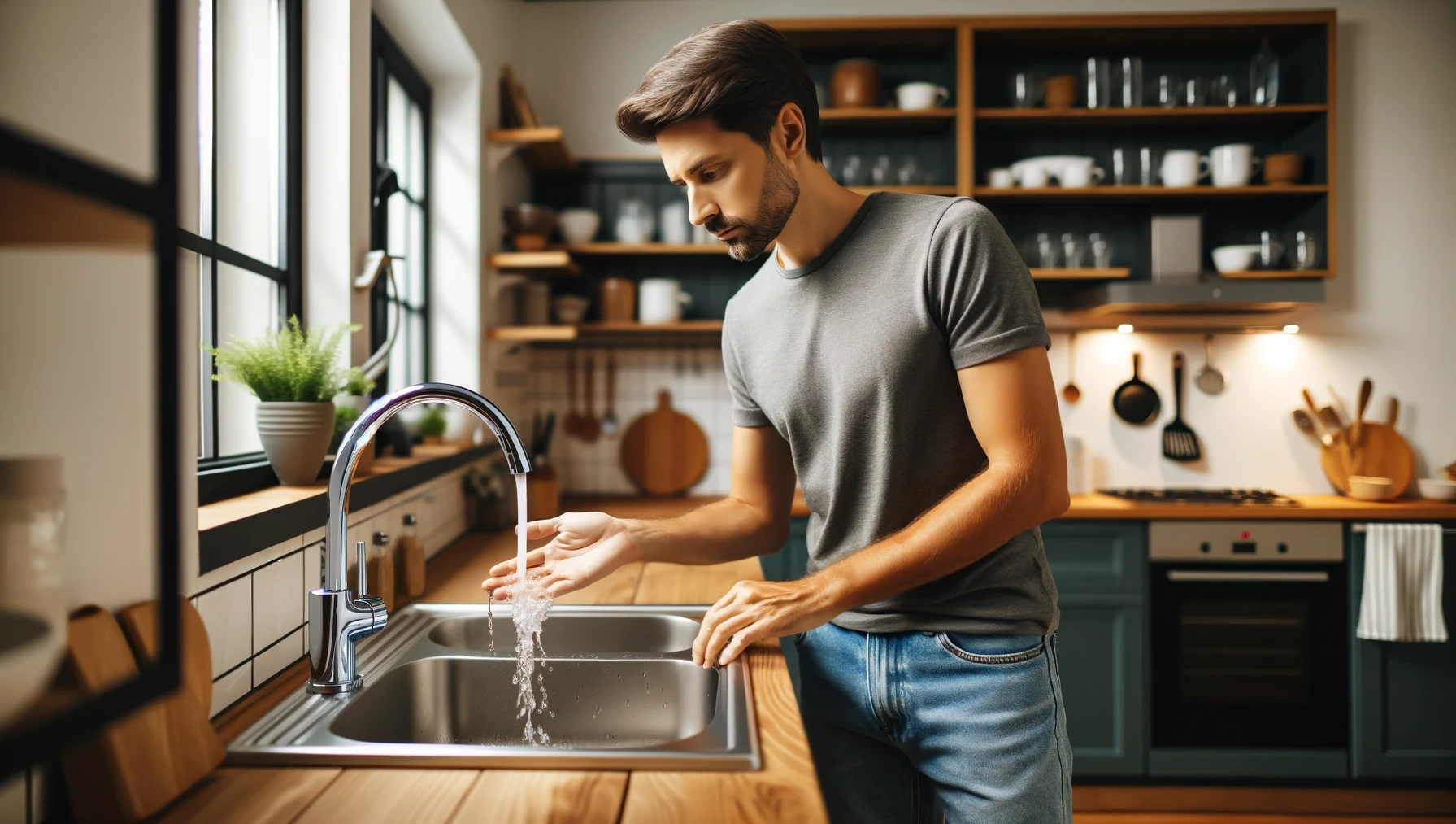
Learn how to remove sediment from a water heater with our step-by-step guide.
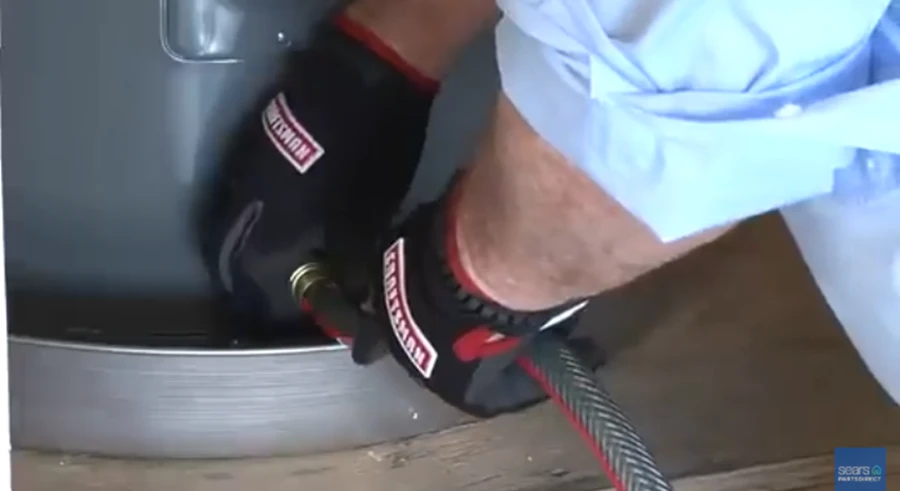
Learn how to remove sediment from your water heater effectively with our detailed guide and expert tips from Sears Home Services.

Discover the best way to clean the thermocouple on your water heater with step-by-step instructions from Sears Home Services.
Hard water is water that contains high levels of dissolved minerals, particularly calcium and magnesium. It contrasts with soft water, which has lower concentrations of these minerals.
A thermocouple is a sensor used for measuring temperature, consisting of two different metal wires joined at one end, which generate a voltage proportional to temperature changes.
A K-type thermocouple is a sensor used for temperature measurement, consisting of two dissimilar metal wires that generate a voltage proportional to temperature changes, widely recognized for its accuracy and wide temperature range.
A heat pump water heater is an energy-efficient appliance that uses electricity to move heat from the air or ground into water, rather than generating heat directly.
When your Payne central air conditioner won’t turn on or isn’t cooling, check for power problems, a failed capacitor, or a clogged condensate drain. This guide covers quick, safe troubleshooting steps and explains when to call Sears Home Services for expert central AC repair.
When your ICP central air conditioner won’t turn on or isn’t cooling, check for power problems, a failed capacitor, or a clogged condensate drain. This guide covers quick, safe troubleshooting steps and explains when to call Sears Home Services for expert central AC repair.
When your Heil central air conditioner won’t turn on or isn’t cooling, check for power problems, a failed capacitor, or a clogged condensate drain. This guide covers quick, safe troubleshooting steps and explains when to call Sears Home Services for expert central AC repair.
When your Carrier central air conditioner won’t turn on or isn’t cooling, check for power problems, a failed capacitor, or a clogged condensate drain. This guide covers quick, safe troubleshooting steps and explains when to call Sears Home Services for expert central AC repair.
When your Comfortmaker central air conditioner won’t turn on or isn’t cooling, check for power problems, a failed capacitor, or a clogged condensate drain. This guide covers quick, safe troubleshooting steps and explains when to call Sears Home Services for expert central AC repair.
When your Ruud central air conditioner won’t turn on or isn’t cooling, check for power problems, a failed capacitor, or a clogged condensate drain. This guide covers quick, safe troubleshooting steps and explains when to call Sears Home Services for expert central AC repair.