 Appointment Lookup
 213-596-2538
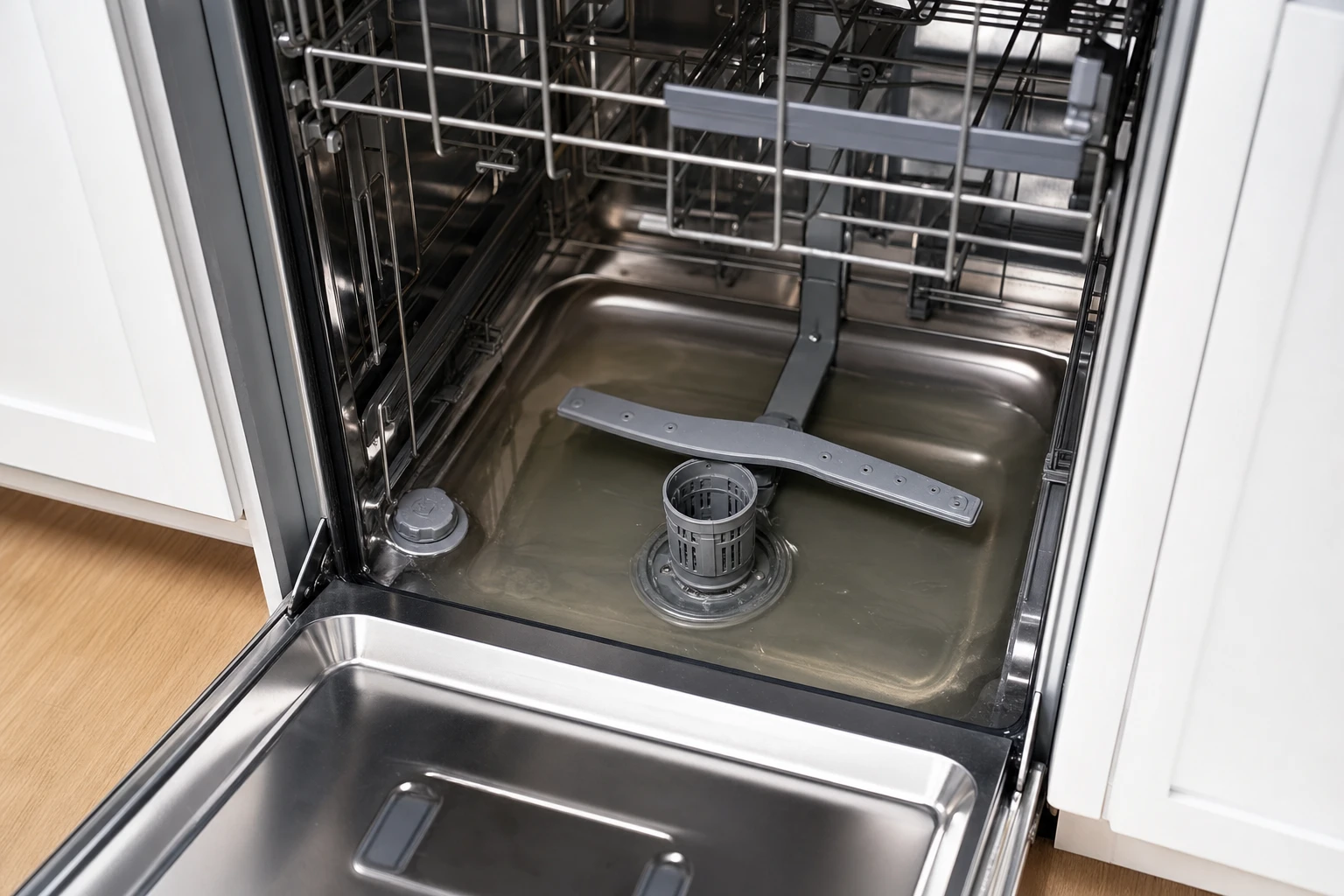
Learn how to drain a dishwasher with standing water in 6 easy steps. Fix clogs, clean the filter, and know when to call a pro for expert repair.

When your GE dishwasher won't drain properly, it can disrupt your daily kitchen routine, potentially causing costly repairs, water damage, and unpleasant odors from standing water.
Effectively draining your dishwasher not only helps you avoid these issues but also aids in timely repairs.
Discover how to drain the dishwasher, understand what may be causing the drainage issue, and prevent it from happening again.
KEY TAKEAWAYS
A GE dishwasher that doesn't drain can disrupt your routine and lead to further complications. Understanding why your dishwasher is failing to drain is crucial in preventing future issues and ensuring your appliance remains functional.
The drain hose is often a prime suspect in drainage issues. A quick inspection can reveal if the problem lies here.
Another key area to consider is the dishwasher's filter and pump, where debris often accumulates.
Consistent maintenance is essential for keeping your dishwasher in peak condition and avoiding drainage issues.
By understanding and addressing these common issues, you can keep your GE dishwasher running efficiently and prevent future drainage problems.
Removing standing water from your GE dishwasher is a straightforward and simple process if you follow the proper steps.
First, ensure your dishwasher is ready for a safe and effective drainage process.
Once your dishwasher is prepared, you can start the manual drainage process.
Remember, safety is paramount when draining your dishwasher to avoid accidents and ensure a smooth process.
By following these steps, you can effectively drain your GE dishwasher, addressing any immediate drainage problems and preventing future issues. Remember to always prioritize safety and consult professionals when necessary to maintain your dishwasher’s functionality and extend its lifespan.
When DIY solutions don't resolve your GE dishwasher problems, consider professional GE dishwasher repair from Sears Home Services. Our skilled technicians offer specialized expertise that ensures your dishwasher is not only repaired but also maintained for peak performance.
Knowing the signs that need professional help can save you time and prevent further damage to your dishwasher.
Opting for Sears Home Services offers several benefits beyond just fixing the immediate issue.
Scheduling a repair service with us is straightforward and can be adjusted to suit your timetable.
By recognizing when professional help is needed and understanding the benefits of enlisting Sears Home Services, you ensure that your GE dishwasher is expertly cared for, maintaining its functionality and extending its lifespan. Remember, timely and professional repair is key to preventing further issues and safeguarding your peace of mind.
Maintaining your GE dishwasher is essential to preventing future drainage issues and ensuring your appliance continues to function efficiently. Regular upkeep, including cleaning key components like the filter and drain pump, plays a crucial role in minimizing the risk of complications. Additionally, scheduling yearly preventative maintenance can help catch potential issues before they escalate.
To keep your dishwasher in top condition, regular maintenance is required.
Yearly preventative maintenance with a service like Sears Home Services keeps your dishwasher in optimal condition.
Arranging for yearly maintenance is easy to do.
Maintaining your GE dishwasher is important for avoiding disruptions and costly repairs. By following this guide, you can effectively manage common drainage issues and maintain your appliance's optimal performance. Remember, regular cleaning of filters and pumps, coupled with vigilant monitoring for signs of trouble, is essential. For complex issues, don't hesitate to contact us for professional repair. Scheduling yearly maintenance is also recommended to prevent potential problems and extend your dishwasher's lifespan.
With extensive experience, our technicians are skilled in repairing dishwashers of all makes and models, ensuring sparkling clean dishes with every cycle.
Loading scheduler options...
Learn how to drain a dishwasher with standing water in 6 easy steps. Fix clogs, clean the filter, and know when to call a pro for expert repair.
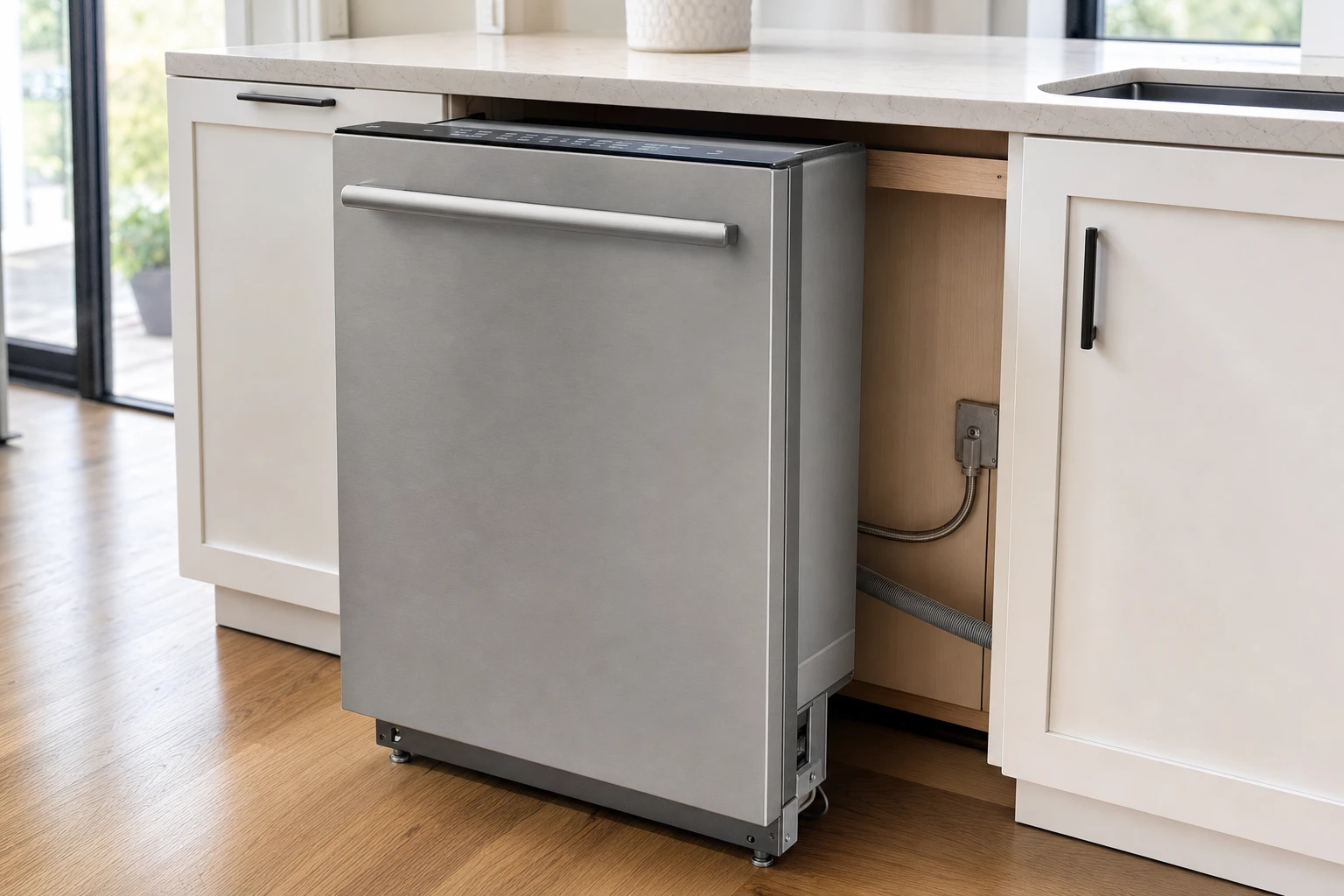
Learn how to replace a dishwasher safely in 2026. Step-by-step removal, hookup, and install tips—plus when to call a manufacturer-trained technician.

Find out why your dishwasher is stopping mid-cycle and how to fix common problems that cause this symptom.
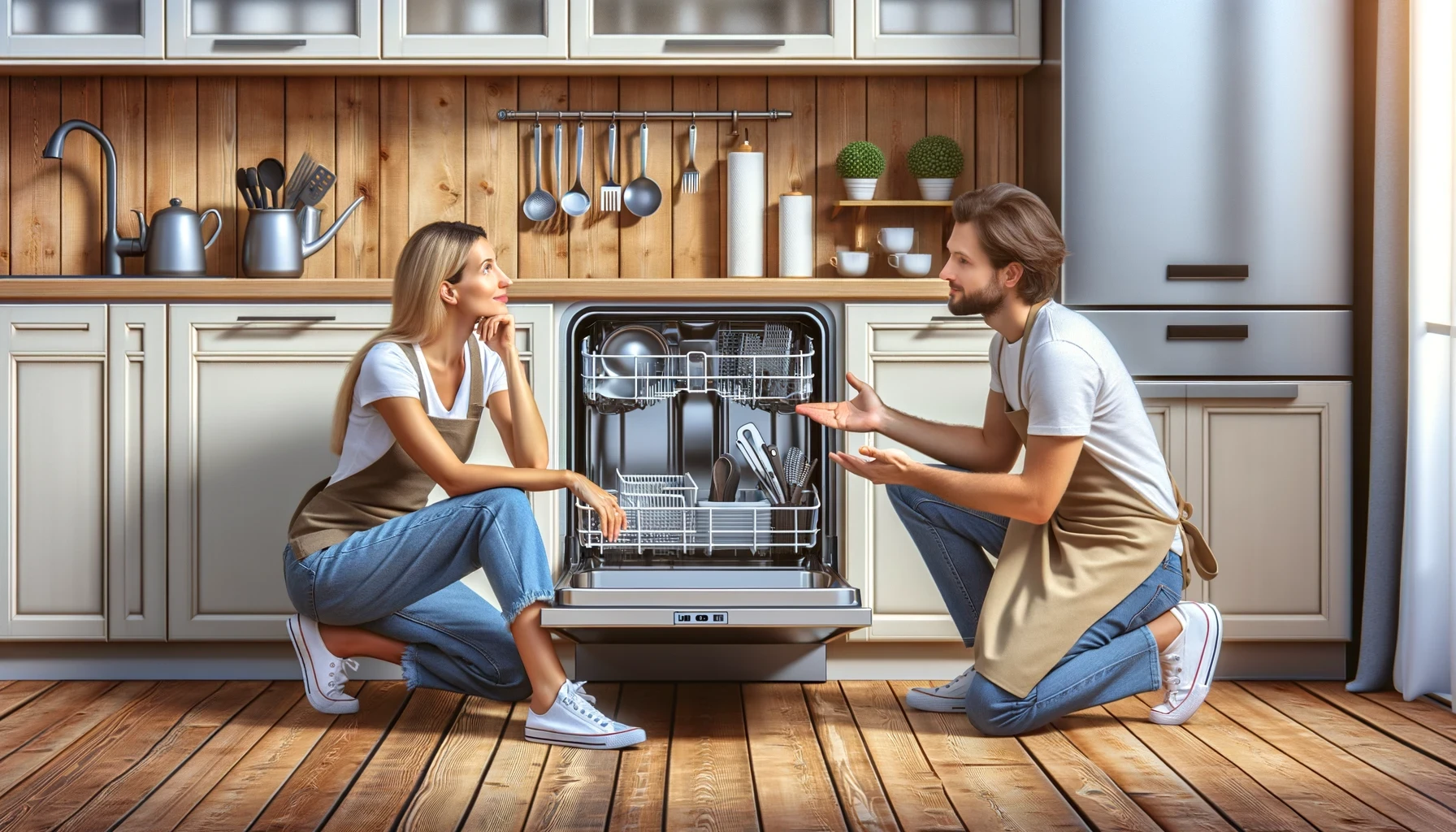
Many common issues stem from simple dishwasher misuse. Get expert troubleshooting tips to fix the most frequent dishwasher problems.
A dishwasher basket is a removable container designed to securely hold small items like cutlery and utensils during the wash cycle, ensuring efficient cleaning without loss or damage.
A dishwasher end panel is a finishing piece installed on the exposed side of a dishwasher, primarily when it is at the end of kitchen cabinetry, to ensure a seamless and aesthetically pleasing look in the kitchen.
A dishwasher diverter motor controls the direction of water flow to different spray arms within the dishwasher, ensuring optimal water distribution during each wash cycle for thorough cleaning.
A dishwasher drawer is a compact, space-saving kitchen appliance designed to clean dishes efficiently, resembling a standard kitchen drawer that slides out for easy loading and unloading.
The most common reasons your Frigidaire dishwasher won't start a cycle are a defective electronic control board, damaged power supply board or a failed door switch.
The most common reasons your Amana dishwasher won't drain are a failed drain pump, faulty pump and motor assembly or a cracked drain hose.
The most common reasons your Bosch dishwasher has no heat are a defective electronic control board, clogged water valve or a broken detergent dispenser.
The most common reasons your Electrolux dishwasher is not heating are a defective electronic control board, faulty pump and motor assembly or a damaged user interface control.
The most common reasons your Kenmore dishwasher is not washing are a faulty pump and motor assembly, defective electronic control board or a clogged spray arm.
The most common reasons your Kenmore Elite dishwasher is not washing are a faulty pump and motor assembly, defective electronic control board or a clogged spray arm.