 Appointment Lookup
 213-596-2538
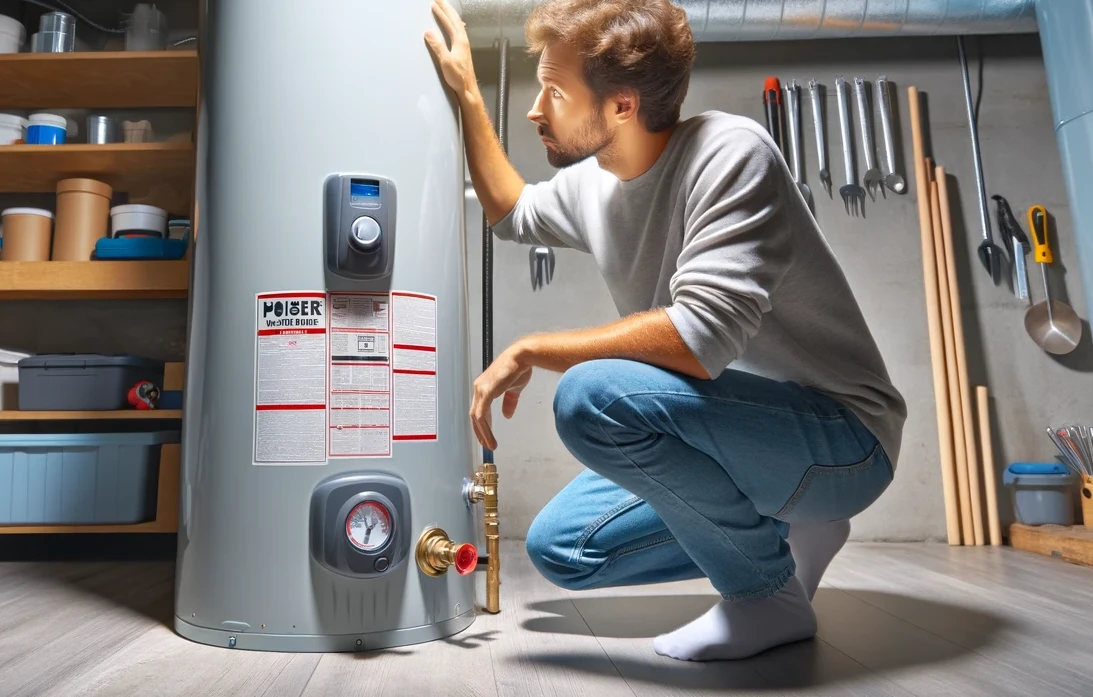
Discover the average life of a water heater at Sears Home Services.
Factors Affecting the Cost of Replacing a 50 Gallon Water Heater
Signs That Indicate a Need for Water Heater Replacement
Benefits of Installing a New 50 Gallon Water Heater
How to Save Money on Water Heater Replacement
Professional Water Heater Installation vs. DIY
Future Trends in Water Heater Technology
Frequently Asked Questions

Are you considering a new water heater? Curious about the cost to replace a 50-gallon water heater in 2026? You've come to the right place. At Sears Home Services, we understand the importance of a dependable and efficient water heater for your home.
In this article, we'll delve into the various factors that influence the cost of replacing a 50-gallon water heater, signs that indicate it's time for a replacement, the benefits of upgrading, money-saving tips, the pros and cons of professional installation versus DIY, and future trends in water heater technology.
KEY TAKEAWAYS
Several factors can impact the cost of replacing a 50-gallon water heater. Understanding these can help you make an informed decision and choose the best option for your needs. Let’s explore these factors in detail.
The type of water heater you choose plays a significant role in the overall cost. The three main types are electric, gas and hybrid water heaters.
Fifty-gallon electric water heaters typically cost between $300 and $1,000 in 2026. They are generally more affordable upfront but can have higher operating costs over time. When replacing an electric water heater that is roughly the same size, you may be able to save on installation expense by installing this type of water heater yourself in some areas. Professional installation costs for an electric water heater average $600 to $900.
Gas water heaters in the 50-gallon size often cost between $500 and $1,200. You’ll typically need to have a gas water heater installed by a professional. Professionals typically charge between $600 to $2,500 depending on work and revisions needed. While more expensive initially, gas water heaters may be more cost-effective in the long run due to lower operating costs.
When deciding on the type of 50-gallon water heater you need, consider replacing a conventional electric water heater or gas water heater with a high-efficiency hybrid electric water heater. This type uses a refrigerant compressor to heat water and can save you up to $300 in energy bills per year. The energy savings will help pay for the higher price of this type of water heater. Fifty-gallon hybrid water heaters typically cost between $1,500 and $3,000 in 2026. Installation costs often run between $800 and $3,000 depending on the type of water heater you’re replacing and revisions needed. A hybrid water heater is typically taller than most conventional electric and gas water heaters so you can often expect to pay more when replacing those types of water heaters with a new hybrid model.
Rebates and tax incentives are often available to defray the extra costs of installing a hybrid water heater. Look for local rebates and incentive in your local area by using the Rebate Finder on the ENERGY STAR website.
If you’re replacing a gas water heater with an electric hybrid water heater, you’ll almost certainly need electric circuit breaker and wiring circuit revisions to install the hybrid model. Some of the costs of switching to a high-efficiency hybrid electric water heater may soon be covered by rebates provided in some states by the federal High-Efficiency Electric Home Rebate Act (HEEHRA). This program will help low- and moderate-income families convert gas appliances such as water heaters to high-efficiency electric models. Check for the availability of these rebates in your area and see if you quality when replacing a gas water heater with a high-efficiency hybrid electric model.
The total average cost for replacing and installing a 50-gallon water heater varies widely depending on the type. For electric water heaters, expect to pay between $500 and $2,500 to have a new model installed.
Gas water heaters typically range from $1,100 to $4,000 for complete professional replacement depending on your area and complexity of installation.
Installing a new hybrid electric water heater often costs more than $3,000 depending on revisions needed and rebates applied to the purchase and installation.
Beyond the cost of the water heater itself, additional expenses may include installation fees, permits, disposal of the old unit, and any necessary upgrades to your plumbing or electrical systems. Factoring in these additional costs will give you a more accurate estimate of the total replacement cost.
Understanding these factors can provide a clearer picture of the costs associated with replacing a 50-gallon water heater. Whether you opt for an electric, gas or hybrid model, it’s essential to choose a reliable provider to ensure a smooth installation process. At Sears.com, we offer a wide selection of water heaters. Contact us today to learn how we can assist you in replacing your 50-gallon water heater.
If you notice any of the following signs, it might be time to consider replacing your 50-gallon water heater.
At Sears Home Services, we understand the importance of a reliable water heater and are here to help you find the best solution for your needs.
Don’t let a malfunctioning water heater disrupt your daily routine. Contact Sears Home Services to schedule a consultation with one of our expert technicians. We’ll assess your current water heater and discuss your options.
Installing a new 50-gallon water heater can offer several benefits for your home. Not only will it ensure a reliable hot water supply, but it can also help you save on energy costs when you choose an energy-efficient model. And, you can reduce the risk of water damage. Let’s explore these advantages in detail.
Upgrading to a new water heater can significantly enhance energy efficiency. Modern models use advanced technology to heat water more efficiently, reducing energy consumption and saving you money on utility bills. With rising energy costs, investing in an energy-efficient hybrid water heater is a smart choice. Installing a 50-gallon hybrid electric water heater can save you up to $300 or even more on energy bills per year.
A new 50-gallon water heater can provide increased hot water capacity, ensuring you always have enough hot water for your household needs. This is especially beneficial for larger families or homes with multiple bathrooms where hot water demand is higher. Say goodbye to cold showers or waiting for the water to heat up!
Older water heaters can develop leaks or cracks over time, leading to potential water damage in your home. By replacing your old unit with a new one, you can reduce the risk of leaks and water damage. Newer models often come with improved safety features and better durability, giving you peace of mind.
When considering the cost of replacing a 50-gallon water heater in 2026, it’s important to weigh these benefits against the upfront investment. While the initial cost may seem high, the long-term savings and improved performance make it a worthwhile investment for your home.
Replacing your 50-gallon water heater in 2026 doesn’t have to break the bank. Here are some tips to help you find the best deal and save on your water heater replacement:
Regular maintenance can help prevent costly repairs or premature replacement.
By following these tips, you can save money on water heater replacement. Not only will you enjoy energy savings, but you’ll also have peace of mind knowing that your new water heater is both reliable and cost-effective.
When replacing a 50-gallon water heater, you may wonder whether to hire a professional or tackle the installation yourself. Both options have their pros and cons, so it’s important to consider several factors before making a decision.
Hiring a professional for water heater installation offers several advantages. Firstly, professionals have the knowledge and experience to ensure a proper installation. They are familiar with local building codes and safety regulations, helping to avoid potential issues down the line. Additionally, professionals often provide warranties on their work, giving you peace of mind in case any problems arise.
On the other hand, opting for a DIY installation can save you money upfront. However, it’s crucial to consider your own skills and capabilities. Installing a water heater requires plumbing and electrical knowledge, as well as proper tools. If you lack experience or confidence in these areas, it may be best to leave it to the professionals.
Proper installation is essential for optimal performance and longevity of your new water heater. A professional installation ensures that everything is set up correctly, including proper venting and connections. This helps prevent issues like leaks, inadequate heating, or inefficient operation. It also ensures the warranty on your water heater remains valid, as manufacturers often require professional installation for warranty coverage.
In conclusion, while a DIY installation may save you money initially, hiring a professional for water heater installation offers numerous benefits. With their expertise, you can rest assured that your water heater will be installed correctly and perform at its best. Remember, proper installation is crucial for optimal performance and to maintain your warranty. If you’re unsure or lack the necessary skills, it’s always wise to consult a professional for this important task.
As technology advances, so does the world of water heaters. In the coming years, we can expect significant advancements in energy-efficient water heater models, integration with smart home systems, and potential cost savings and benefits.
One of the most exciting developments in water heater technology is the emergence of energy-efficient models. These new water heaters are designed to minimize energy consumption while still delivering the hot water you need. By using advanced insulation materials and innovative heating elements, these models can help you reduce your energy bills and lower your carbon footprint.
Another trend to watch out for is the integration of water heaters with smart home systems. Imagine being able to control and monitor your water heater’s performance from your smartphone or smart hub. With this integration, you can adjust temperature settings, track energy usage, and receive alerts for maintenance or malfunctions. It not only adds convenience but also allows for better energy management and cost savings.
When it comes to cost savings, upgrading to a newer water heater can provide various benefits. Firstly, energy-efficient models can help you save money on your monthly utility bills. Secondly, advanced technologies like tankless water heaters eliminate the need for a large storage tank, saving valuable space in your home. Lastly, newer models often come with improved durability and reliability, reducing the likelihood of costly repairs or replacements in the future.
At Sears, we understand the importance of keeping up with the latest trends in water heater technology. Our team of experts can help you find the perfect water heater that meets your needs, whether it’s an energy-efficient model or one that seamlessly integrates with your smart home system. Contact us today to find out how you can benefit from upgrading your water heater to a new model with better efficiency and technology.
Having problems with a water heater? We offer repair for many brands, including Rheem hot water heater service, with local experts skilled in fixing all water heater issues. Schedule repair service today.
Our technicians possess the knowledge and training to fix your water heater, no matter where you bought it.
Loading scheduler options...
Discover the average life of a water heater at Sears Home Services.

Learn how a pressure relief valve works in a water heater.
No hot water? Learn 9 common causes, quick troubleshooting steps, safety tips, and when to call Sears Home Services for fast water heater repair.

We'll show you how to troubleshoot the top 5 most common water heater problems.
Hard water is water that contains high levels of dissolved minerals, particularly calcium and magnesium. It contrasts with soft water, which has lower concentrations of these minerals.
A thermocouple is a sensor used for measuring temperature, consisting of two different metal wires joined at one end, which generate a voltage proportional to temperature changes.
A K-type thermocouple is a sensor used for temperature measurement, consisting of two dissimilar metal wires that generate a voltage proportional to temperature changes, widely recognized for its accuracy and wide temperature range.
A heat pump water heater is an energy-efficient appliance that uses electricity to move heat from the air or ground into water, rather than generating heat directly.
When your Payne central air conditioner won’t turn on or isn’t cooling, check for power problems, a failed capacitor, or a clogged condensate drain. This guide covers quick, safe troubleshooting steps and explains when to call Sears Home Services for expert central AC repair.
When your ICP central air conditioner won’t turn on or isn’t cooling, check for power problems, a failed capacitor, or a clogged condensate drain. This guide covers quick, safe troubleshooting steps and explains when to call Sears Home Services for expert central AC repair.
When your Heil central air conditioner won’t turn on or isn’t cooling, check for power problems, a failed capacitor, or a clogged condensate drain. This guide covers quick, safe troubleshooting steps and explains when to call Sears Home Services for expert central AC repair.
When your Carrier central air conditioner won’t turn on or isn’t cooling, check for power problems, a failed capacitor, or a clogged condensate drain. This guide covers quick, safe troubleshooting steps and explains when to call Sears Home Services for expert central AC repair.
When your Comfortmaker central air conditioner won’t turn on or isn’t cooling, check for power problems, a failed capacitor, or a clogged condensate drain. This guide covers quick, safe troubleshooting steps and explains when to call Sears Home Services for expert central AC repair.
When your Ruud central air conditioner won’t turn on or isn’t cooling, check for power problems, a failed capacitor, or a clogged condensate drain. This guide covers quick, safe troubleshooting steps and explains when to call Sears Home Services for expert central AC repair.