 Appointment Lookup
 213-596-2538

Learn how a mini refrigerator works and how to keep it in top shape.
The Science of Carbon Filtration
Why Activated Carbon Works So Well
Beyond Carbon Filtration: Tackling Tougher Contaminants
Maintenance: Ensuring Maximum Efficiency
Choosing the Right Water Filter for Your Refrigerator
Procedure for Replacing Your Refrigerator Water Filter
Final Thoughts
Frequently Asked Questions
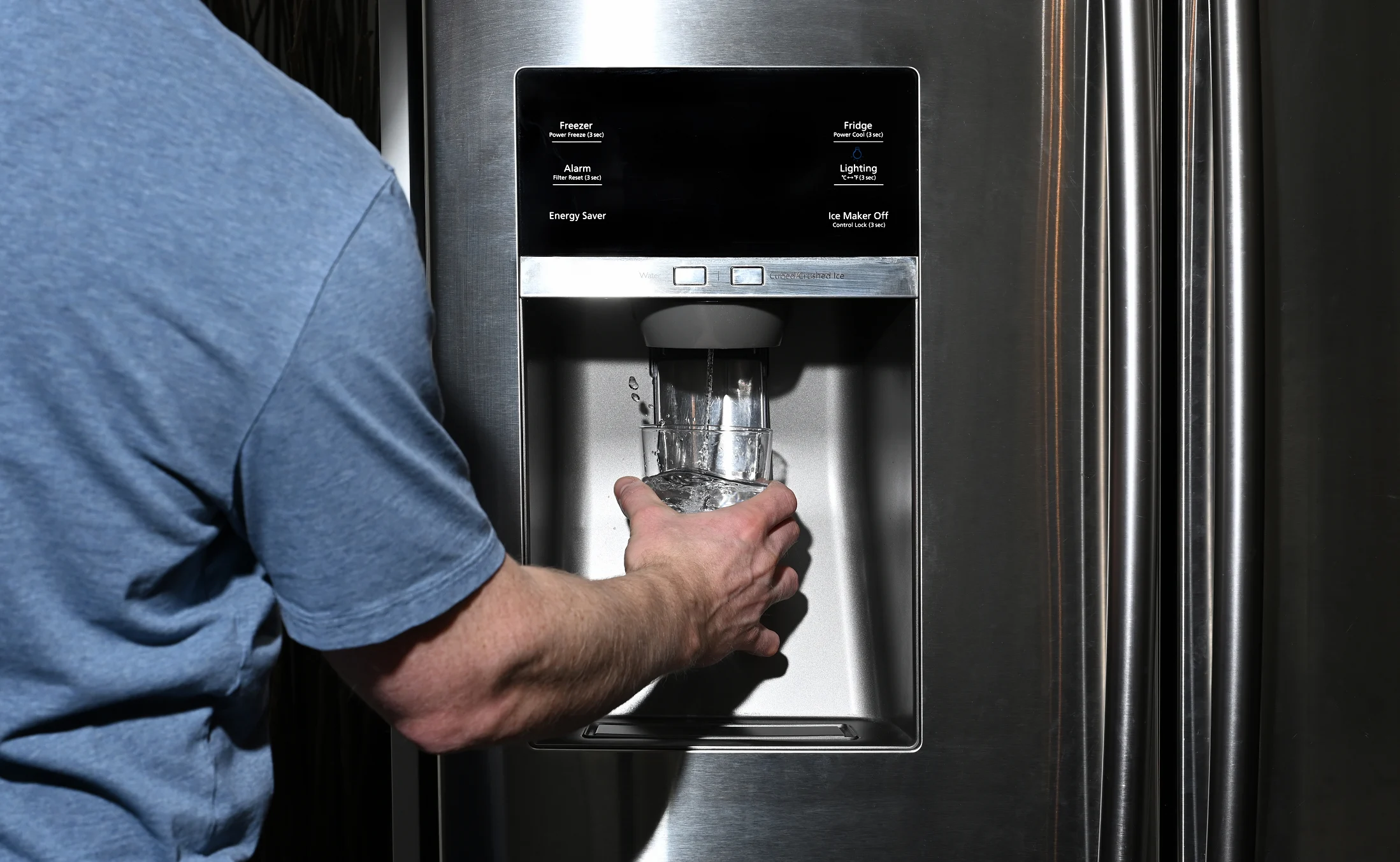
Refrigerator water filters play a pivotal role in improving the quality of the water and ice dispensed from your fridge. Most of these filters rely on carbon filtration as their primary method to remove impurities, odors, and off-tastes from tap water.
But how does carbon filtration work, and what about contaminants that carbon alone can’t handle? Let’s look into the science behind these filters and explore how manufacturers enhance their performance to ensure your refrigerator ice and water is clean and refreshing.
KEY TAKEAWAYS

Carbon filtration works by a process called ”adsorption”—spelled with a “d” and not to be confused with absorption (spelled with a “b”).
Adsorption happens when impurities in the water chemically bind to the surface of activated carbon.
Activated carbon is a porous material treated to have an extremely high surface area. A single gram of activated carbon can have a surface area of over 32,000 square feet.
When water flows through the carbon filter, contaminants like chlorine, volatile organic compounds (VOCs), and certain chemicals adhere to the carbon. The result? Cleaner, better-tasting water and ice.
These traits of carbon filtration contribute to its effectiveness as a water purifier:
While carbon is excellent at removing many common impurities, it doesn’t filter out everything. Heavy metals like lead, nitrates, and bacteria can sometimes pass through a basic carbon filter. This is where modern refrigerator water filters step up their game with additional filtration tactics.
Mechanical filtration works like a fine sieve, using a barrier membrane to physically remove particles from the water.
Refrigerator filters often include a mesh pre-filter or microfilter that traps sediment, rust, and other larger particulates before water reaches the carbon filter.
To tackle heavy metals like lead and mercury, some filters incorporate ion exchange resins. These resins exchange harmful metal ions in the water with harmless ones, such as sodium or potassium, effectively removing contaminants that carbon alone cannot capture.
For enhanced purification, some advanced filters include a microporous membrane layer. This membrane is capable of filtering out microscopic contaminants like bacteria and cysts, ensuring safer drinking water.
To prevent bacterial growth within the filter itself, some refrigerator water filters integrate silver into the carbon. Silver has natural antimicrobial properties, inhibiting the proliferation of microorganisms that might otherwise thrive in a moist filter environment.
Even the best refrigerator water filters lose effectiveness over time as they become saturated with impurities. To keep your water and ice tasting fresh, replace your filter as recommended—usually every 6 months. For heavy water users, more frequent changes may be necessary.
If you notice a decline in water flow, odd tastes, or smells, these are clear signs your filter needs replacement. Ignoring filter maintenance can result in diminished filtration performance and may allow contaminants to slip through.
When replacing your filter, always choose a model that is compatible with your refrigerator and certified to remove the contaminants specific to your water supply.
Replacing the fridge water filter with the exact type made by the original manufacturer ensures that you get the best and safest water filtration results.
Less expensive aftermarket water filters are available for almost every refrigerator. Sometimes, these aftermarket alternatives only use activated carbon and may not filter out the same contaminants as the original filters made by the manufacturer for your model.
When considering aftermarket refrigerator water filters, only use filters that match the NSF (National Sanitation Foundation) certifications for the manufacturer’s original water filter for your fridge. Here are some key NSF certifications to look for:
Follow the owner’s manual guidelines for replacing the water filter in your fridge.
Here’s a helpful YouTube video that shows how to replace the water filter in common types of refrigerators:
Don’t forget to purge water through the water dispenser after replacing the water filter as shown in the video.
Carbon filtration is a cornerstone of refrigerator water filters, effectively removing many common impurities to provide fresh-tasting water and ice. However, today’s filters often go beyond simple carbon technology, incorporating additional mechanisms to handle tougher contaminants.
By understanding how these systems work and replacing your refrigerator water filter regularly, you can enjoy clean, crisp water straight from your fridge.
Extend the lifespan of your refrigerator and prevent unexpected and costly breakdowns with our routine maintenance service.
Loading scheduler options...
Learn how a mini refrigerator works and how to keep it in top shape.

Learn how a condenser works to help keep the refrigerator cool.
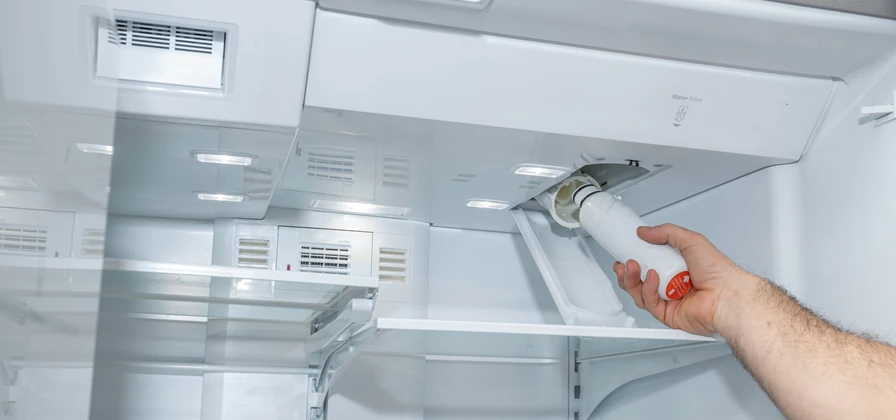
Learn how a refrigerator water filter works and why it is essential to your health.

Learn how a wine cooler works so you can properly maintain it and troubleshoot common problems.
A compressor is a mechanical device that increases the pressure of a gas by reducing its volume, essential in various systems including refrigerators, air conditioners, and HVAC units for cooling and refrigeration processes.
A condenser is a component of HVAC and refrigeration systems, responsible for releasing absorbed heat from the refrigerant into the outside air or a water line, thus facilitating the cooling process.
A dual ice maker is a feature in some refrigerators that includes two separate ice makers: one in the fridge compartment and another in the freezer section. This setup doubles the appliance's ice-making capacity.
A French-door refrigerator features two doors that open side-by-side on the top section for the refrigerator compartment, with a bottom freezer drawer, combining style, efficiency, and easy access to both refrigerated and frozen goods.
The most common reasons your LG refrigerator icemaker reset button is not working are a faulty icemaker, a malfunctioning PCB, or a defective water valve.
The most common reasons your Samsung refrigerator is leaking water are a clogged defrost drain, cracked dispenser water tubing or a damaged evaporator.
The most common reasons your Kenmore Elite refrigerator stopped working are a locked compressor, damaged evaporator or a defective electronic control board.
The most common reasons your Maytag refrigerator stopped working are a locked compressor, damaged evaporator or a defective electronic control board.
The most common reasons your Kenmore refrigerator is noisy are a faulty ice maker assembly, defective electronic control board or a locked compressor.
The most common reasons your Kenmore refrigerator fan is not working are a defective electronic control board, damaged evaporator or a locked compressor.