 Appointment Lookup
 213-596-2538

Learn how a mini refrigerator works and how to keep it in top shape.

When wine enthusiasts think of preserving their cherished bottles, a wine cooler often tops the list of essential tools. These specialized refrigerators ensure that wines are stored at optimal temperatures to maintain their flavor, aroma, and quality.
Among the various types available, thermoelectric wine coolers have gained popularity due to their energy efficiency, quiet operation, and environmentally friendly design. Let's look into how these coolers work, how to keep them running smoothly, and how to troubleshoot common issues.
KEY TAKEAWAYS

Thermoelectric wine coolers use the Peltier effect, a phenomenon where electrical energy creates a temperature difference between two materials. Inside the cooler, a heat sink assembly transfers heat from the interior of the wine cooler to the exterior.

Here’s how it works step-by-step:
Thermoelectric systems avoid the use of noisy compressors or refrigerants, making them quieter and more environmentally friendly. However, they rely heavily on ambient temperature and work best in consistent environments—ideal for homes with stable indoor conditions.
Proper maintenance keeps your wine cooler running efficiently and extends its lifespan. Here's how to take care of it:
Dust and debris can clog the cooling fans, reducing airflow and efficiency. Every three to six months, unplug the cooler and use a soft brush or compressed air to clean the fan blades.
The rubber gasket around the door creates an airtight seal. Inspect it for cracks or wear, which could let warm air in and cool air out. Replace damaged seals promptly.
Here’s a video that shows how to replace a press-in refrigerator door gasket that you’ll typically find on a wine cooler:
If you’re not confident that you can replace the wine cooler door seal gasket on your own, schedule refrigerator repair and we’ll send a Sears Home Services technician to your home to replace the door gasket.
Thermoelectric coolers need adequate ventilation to dissipate heat. Keep at least two to three inches of space around the cooler and avoid placing it in confined spaces or against walls.
Since thermoelectric systems depend on stable ambient temperature, place your cooler in a room with consistent temperatures, ideally between 50°F and 77°F. Avoid garages, attics, or areas prone to temperature fluctuations.
Even with proper care, issues can arise. Here’s how to handle some common problems:
Possible causes of a wine cooler not cooling include faulty fans, poor ventilation, or malfunctioning thermoelectric modules.
Here are some troubleshooting steps to help resolve wine cooler cooling issues:
If these basic troubleshooting tips don’t help, you’ll likely need to have a service technician repair the wine cooler.
Loose parts, debris in a fan, or an unbalanced cabinet can cause noises.
Tighten screws and check the fans for obstructions.
Check and adjust the leveling legs on the wine cooler to stabilize the cabinet. Move the wine cooler to a stable surface if necessary to minimize vibration and noise.
High ambient humidity or a faulty door seal can cause interior condensation.
Use a dehumidifier in the room if you have the wine cooler in a humid area such as a basement.
Inspect the door gasket and replace it if damaged.
Understanding how a wine cooler works will help you know how to maintain and troubleshoot the appliance.
Whether you’re a casual wine enthusiast or a serious collector, keeping your wine cooler in top condition makes all the difference in preserving your investment.
Extend the lifespan of your refrigerator and prevent unexpected and costly breakdowns with our routine maintenance service.
Loading scheduler options...
Learn how a mini refrigerator works and how to keep it in top shape.

Learn how a condenser works to help keep the refrigerator cool.

Learn how carbon filtration works to eliminate contaminants, bad taste and odor from water going through your refrigerator water filter.
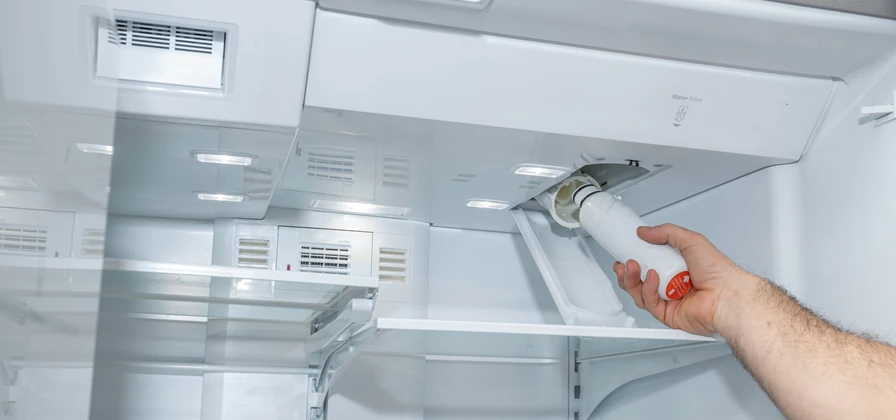
Learn how a refrigerator water filter works and why it is essential to your health.
A compressor is a mechanical device that increases the pressure of a gas by reducing its volume, essential in various systems including refrigerators, air conditioners, and HVAC units for cooling and refrigeration processes.
A condenser is a component of HVAC and refrigeration systems, responsible for releasing absorbed heat from the refrigerant into the outside air or a water line, thus facilitating the cooling process.
A dual ice maker is a feature in some refrigerators that includes two separate ice makers: one in the fridge compartment and another in the freezer section. This setup doubles the appliance's ice-making capacity.
A French-door refrigerator features two doors that open side-by-side on the top section for the refrigerator compartment, with a bottom freezer drawer, combining style, efficiency, and easy access to both refrigerated and frozen goods.
The most common reasons your LG refrigerator icemaker reset button is not working are a faulty icemaker, a malfunctioning PCB, or a defective water valve.
The most common reasons your Samsung refrigerator is leaking water are a clogged defrost drain, cracked dispenser water tubing or a damaged evaporator.
The most common reasons your Kenmore Elite refrigerator stopped working are a locked compressor, damaged evaporator or a defective electronic control board.
The most common reasons your Maytag refrigerator stopped working are a locked compressor, damaged evaporator or a defective electronic control board.
The most common reasons your Kenmore refrigerator is noisy are a faulty ice maker assembly, defective electronic control board or a locked compressor.
The most common reasons your Kenmore refrigerator fan is not working are a defective electronic control board, damaged evaporator or a locked compressor.