 Appointment Lookup
 213-596-2538

Learn how wood furnaces work and the advantages of using them.

If you live in a colder climate, you may have an oil-burning furnace, a staple in many homes for providing reliable and efficient heat. But have you ever wondered how this heating system actually works?
In this article, we’ll break down the components, the process, and the technology behind an oil-burning furnace to help you better understand how it keeps your home warm during the cold winter months.
KEY TAKEAWAYS
Oil-burning furnaces use heating oil—a refined petroleum product—as fuel to produce heat. These systems are popular in areas without natural gas infrastructure, offering an effective and dependable heating solution.
The oil is stored in a tank and transported to the furnace as needed, ensuring you have a steady supply of heat.

The oil tank stores the fuel, which is typically delivered by a supplier. Tanks can be located above ground, underground, or inside your home, depending on your setup.
A fuel pump transfers oil from the tank to the furnace burner to heat your home.

The burner is the heart of the furnace. It mixes oil with air and ignites the mixture to create a flame. The burner ensures the oil burns efficiently, providing consistent heat.
The combustion chamber is where burner ignition happens. This insulated area contains the burning oil flames. The combustion chamber transfers heat to the heat exchanger.
The heat exchanger absorbs heat from the oil flames in the combustion chamber and transfers it to the air that circulates through your home.
The blower fan moves heated air through your home’s ductwork to distribute warmth throughout your house.
The flue directs combustion byproducts, such as carbon dioxide and water vapor, safely out of your home.
When your thermostat signals a need for heat, the furnace activates. The fuel pump draws oil from the storage tank and delivers it to the burner.
The burner sprays the oil in a fine mist, mixing it with air. This atomization allows the oil to burn more efficiently.
An electric igniter or pilot light ignites the oil-air mixture, creating a controlled flame in the combustion chamber.
The heat from the flame warms the heat exchanger. Depending on your system, air or water absorbs this heat and carries it through your home.
Combustion gases are vented through the flue, ensuring your indoor air remains safe and clean.
Heated air is blown through ductwork, maintaining a cozy indoor temperature.
Oil-burning furnaces offer these advantages over other types of furnaces:
Follow this checklist to keep your furnace running smoothly throughout the heating season.
Refer to the owner’s manual for your furnace to find additional maintenance tasks needed for your unit and details on completing the maintenance steps described below.
Scheduling professional by a qualified HVAC technician yearly tune-up is essential to keep your heating system running smoothly and efficiently.
They’ll inspect, clean, and test critical components, ensuring everything works as it should. A professional inspection typically includes:
The oil filter prevents dirt, debris, and sludge from reaching the burner. Over time, the filter can clog, reducing fuel flow and causing the furnace to work harder. Replace or clean the filter at least once a year or as recommended by the manufacturer. This is especially important if your fuel tank is older, as sediment tends to accumulate.
Examine the oil tank for signs of rust, corrosion, or leaks. Ensure the tank’s vent and fill pipes are clear of obstructions. If you notice unusual smells, oil puddles, or rapid fuel loss, contact a furnace repair professional immediately to address potential issues.
Check the air filter monthly during the heating season. A clogged air filter restricts airflow, reducing efficiency and straining the blower. Replace or clean the filter every 1–3 months, depending on usage and the type of filter.
The burner assembly is critical for proper combustion. Inspect the burner for soot, dirt, or oil residue, which can indicate incomplete combustion or clogged nozzles. Cleaning or replacing the nozzle ensures the oil is atomized efficiently, optimizing performance.
Inspect the flue pipe and chimney for blockages, cracks, or excessive soot buildup. These components carry exhaust gases out of your home, so keeping them clear and secure is essential for safety. If you notice damage or obstructions, call a furnace repair professional for repairs.
The thermostat controls your furnace's operation, so it’s important to ensure it’s functioning properly.
Test the thermostat’s accuracy by comparing the displayed temperature with a separate thermometer.
Replace an old or faulty thermostat with a programmable or smart model to improve energy efficiency.
If your furnace has been off for a while or you’ve recently run out of oil, air may enter the fuel line, causing the burner to sputter or fail to ignite. Bleeding the fuel line removes trapped air, but this task should only be performed by someone familiar with the process, as it involves handling flammable materials.
Some furnaces have motorized components that require periodic lubrication to reduce friction and wear. Check your owner’s manual for guidance on which parts to lubricate and the type of oil to use.
Proper maintenance of your oil-burning furnace is the key to reliable, efficient, and safe operation. By following the tips in this guide and scheduling annual professional inspections, you can ensure your furnace stays in great shape for years to come. Not only will this save you money, but it will also provide the peace of mind that your home will stay warm and cozy all winter long.
Loading scheduler options...
Learn how wood furnaces work and the advantages of using them.
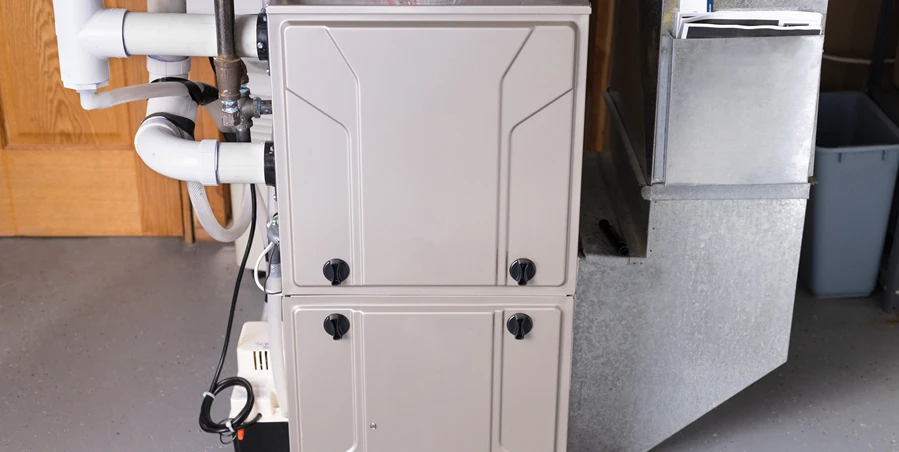
Find answers to 'How does a furnace work?' with Sears Home Services

Learn what a two stage furnace is and how it works to keep you warm and comfortable in cold weather.

Discover how to clean furnace burners with our expert tips and step-by-step guide to ensure efficient and smooth heating operation.
A furnace condensate pump is a device installed in HVAC systems, particularly high-efficiency furnaces, to collect and automatically remove the water (condensate) produced during the heating process.
A furnace is a major appliance that heats air distributed throughout a home or building via a ductwork system.
A furnace blower motor is a crucial component of a home heating system that drives the fan responsible for circulating air throughout the HVAC system and into the living spaces of the home.
A furnace door is a crucial component of a home heating system, providing access to the interior of the furnace for maintenance, repairs, and inspections. It helps in maintaining the system's efficiency and safety.
When your Payne central air conditioner won’t turn on or isn’t cooling, check for power problems, a failed capacitor, or a clogged condensate drain. This guide covers quick, safe troubleshooting steps and explains when to call Sears Home Services for expert central AC repair.
When your ICP central air conditioner won’t turn on or isn’t cooling, check for power problems, a failed capacitor, or a clogged condensate drain. This guide covers quick, safe troubleshooting steps and explains when to call Sears Home Services for expert central AC repair.
When your Heil central air conditioner won’t turn on or isn’t cooling, check for power problems, a failed capacitor, or a clogged condensate drain. This guide covers quick, safe troubleshooting steps and explains when to call Sears Home Services for expert central AC repair.
When your Carrier central air conditioner won’t turn on or isn’t cooling, check for power problems, a failed capacitor, or a clogged condensate drain. This guide covers quick, safe troubleshooting steps and explains when to call Sears Home Services for expert central AC repair.
When your Comfortmaker central air conditioner won’t turn on or isn’t cooling, check for power problems, a failed capacitor, or a clogged condensate drain. This guide covers quick, safe troubleshooting steps and explains when to call Sears Home Services for expert central AC repair.
When your Ruud central air conditioner won’t turn on or isn’t cooling, check for power problems, a failed capacitor, or a clogged condensate drain. This guide covers quick, safe troubleshooting steps and explains when to call Sears Home Services for expert central AC repair.