 Appointment Lookup
 213-596-2538

Learn how an oil-burning furnace works and how to maintain it.

Wood furnaces have gained popularity as an efficient, eco-friendly way to heat homes, especially in regions where wood is abundant and winters are harsh. But how exactly do these systems work, and why might they be a smart choice for your home?
Let’s dive into the details of how wood furnaces operate and why they stand out as a reliable heating solution.
KEY TAKEAWAYS
A wood furnace is a heating appliance designed to burn wood as its primary fuel source. Unlike traditional wood stoves that directly heat a single room, wood furnaces distribute heat throughout your entire home, often through ductwork or a hydronic heating system.
This setup makes them a versatile choice for homeowners looking to reduce reliance on fossil fuels while maintaining consistent warmth.

At the heart of every wood furnace lies the combustion process. Here’s a step-by-step breakdown of how it works:
You start by loading wood into the furnace’s firebox, where it ignites and burns. The firebox, typically lined with firebrick or cast iron, withstands high temperatures and ensures efficient combustion.
As the wood burns, it releases heat energy along with byproducts like smoke and gases.
The heat produced in the firebox transfers to the heat exchanger, a key component of the furnace. The heat exchanger captures the thermal energy from the fire and directs it to your home’s heating system.
In forced-air wood furnaces, the heat exchanger warms air, which a blower fan then distributes through your home’s ductwork.
In hydronic systems, the heat exchanger heats water. This hot water circulates through pipes to radiators or in-floor heating systems, delivering warmth evenly.
Efficient wood furnaces don’t let waste products linger. After combustion, smoke and gases move through a chimney or vent system to exit your home safely.
High-efficiency models often include secondary combustion chambers, where unburned gases ignite to reduce emissions and maximize heat output.
Modern wood furnaces include thermostats and dampers that regulate airflow and combustion rates. These features ensure your home stays comfortably warm without wasting fuel.
Not all wood furnaces are the same. Here are the two main types to consider:
Installed inside the home, indoor wood furnaces connect directly to your existing HVAC system. These units stay protected from the elements and offer easier access for refueling. However, they require space in your basement or utility room.
Outdoor wood furnaces sit outside the home, usually in a weather-resistant enclosure. They connect to your heating system via underground pipes and can also supply hot water. Because they operate outside, they eliminate concerns about indoor air quality and wood storage messes.
Here are some distinct advantages of using wood burning furnaces:
Wood furnaces use affordable, locally available wood rather than pricey fossil fuels. If you source your own wood, the savings grow even more.
Burning wood can be carbon-neutral, as trees absorb carbon dioxide during their growth cycle. Modern wood furnaces also minimize pollution with secondary combustion features.
Wood furnaces work even during power outages, making them a reliable option for heating when other systems fail.
To get the most out of your wood furnace, follow these tips:
If you live in a colder climate and have access to affordable wood, a wood furnace can provide dependable, cost-efficient heating.
Consider your home’s layout and heating needs, as well as local air quality regulations, when choosing a model.
By understanding how wood furnaces work and following proper maintenance practices, you can enjoy a warm, cozy home without breaking the bank—or harming the environment.
Loading scheduler options...
Learn how an oil-burning furnace works and how to maintain it.
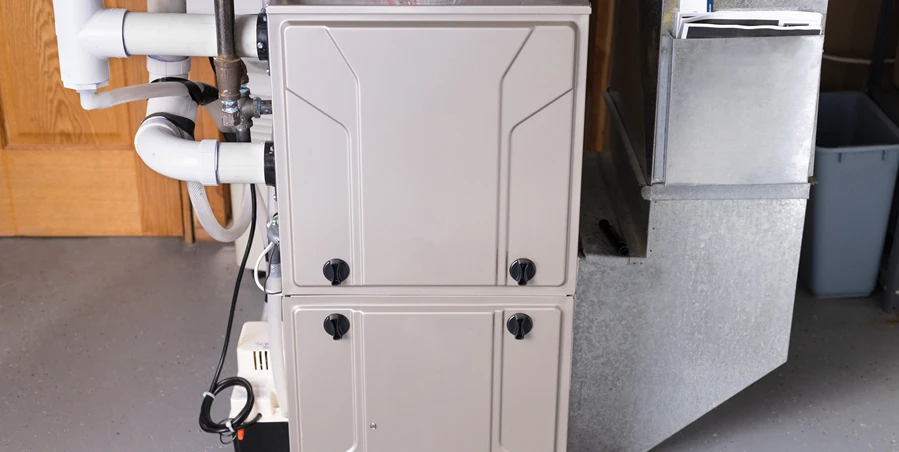
Find answers to 'How does a furnace work?' with Sears Home Services

Learn what a two stage furnace is and how it works to keep you warm and comfortable in cold weather.

Discover how to clean furnace burners with our expert tips and step-by-step guide to ensure efficient and smooth heating operation.
A furnace condensate pump is a device installed in HVAC systems, particularly high-efficiency furnaces, to collect and automatically remove the water (condensate) produced during the heating process.
A furnace is a major appliance that heats air distributed throughout a home or building via a ductwork system.
A furnace blower motor is a crucial component of a home heating system that drives the fan responsible for circulating air throughout the HVAC system and into the living spaces of the home.
A furnace door is a crucial component of a home heating system, providing access to the interior of the furnace for maintenance, repairs, and inspections. It helps in maintaining the system's efficiency and safety.
When your Payne central air conditioner won’t turn on or isn’t cooling, check for power problems, a failed capacitor, or a clogged condensate drain. This guide covers quick, safe troubleshooting steps and explains when to call Sears Home Services for expert central AC repair.
When your ICP central air conditioner won’t turn on or isn’t cooling, check for power problems, a failed capacitor, or a clogged condensate drain. This guide covers quick, safe troubleshooting steps and explains when to call Sears Home Services for expert central AC repair.
When your Heil central air conditioner won’t turn on or isn’t cooling, check for power problems, a failed capacitor, or a clogged condensate drain. This guide covers quick, safe troubleshooting steps and explains when to call Sears Home Services for expert central AC repair.
When your Carrier central air conditioner won’t turn on or isn’t cooling, check for power problems, a failed capacitor, or a clogged condensate drain. This guide covers quick, safe troubleshooting steps and explains when to call Sears Home Services for expert central AC repair.
When your Comfortmaker central air conditioner won’t turn on or isn’t cooling, check for power problems, a failed capacitor, or a clogged condensate drain. This guide covers quick, safe troubleshooting steps and explains when to call Sears Home Services for expert central AC repair.
When your Ruud central air conditioner won’t turn on or isn’t cooling, check for power problems, a failed capacitor, or a clogged condensate drain. This guide covers quick, safe troubleshooting steps and explains when to call Sears Home Services for expert central AC repair.