 Appointment Lookup
 213-596-2538

Learn how an oil-burning furnace works and how to maintain it.

When winter’s chill settles in, a reliable heating system becomes essential to maintain a cozy home. Among the various furnace options available, the two-stage furnace has gained popularity for its efficiency, comfort, and advanced technology.
But how exactly does a two-stage furnace work? Let’s break it down in an easy-to-understand guide.
KEY TAKEAWAYS
A two-stage furnace is an innovative and efficient solution for heating your home. It is a system designed to provide better energy efficiency and more consistent temperatures compared to traditional single-stage furnaces.
Unlike a single-stage furnace that operates at full power whenever it’s on, a two-stage furnace can operate at two distinct power levels:
Many 2-stage furnaces use a variable-speed blower motor to adjust air flow through the heat exchanger for the different stages to efficiently circulate heating air throughout your home.
At its core, the difference lies in the operation of the gas valve and the heat exchange system.
Here is more information about the 2 stages of furnace system operation.
During mild winter days, the furnace works in the low stage, maintaining a steady temperature without consuming excessive energy.
Here are more key aspects of the low heat stage:
On colder days when the demand for heat increases, the furnace starts in the low stage and then ramps up to the high stage to deliver maximum warmth.
The inducer motor will run faster in the high stage to adequately supply oxygen to the burners for the larger flames and to carry away combustion gasses through the exhaust flue.
The two-stage furnace system uses advanced sensors and controls to detect the indoor temperature and determine which stage to use. This results in smarter, more efficient heating.

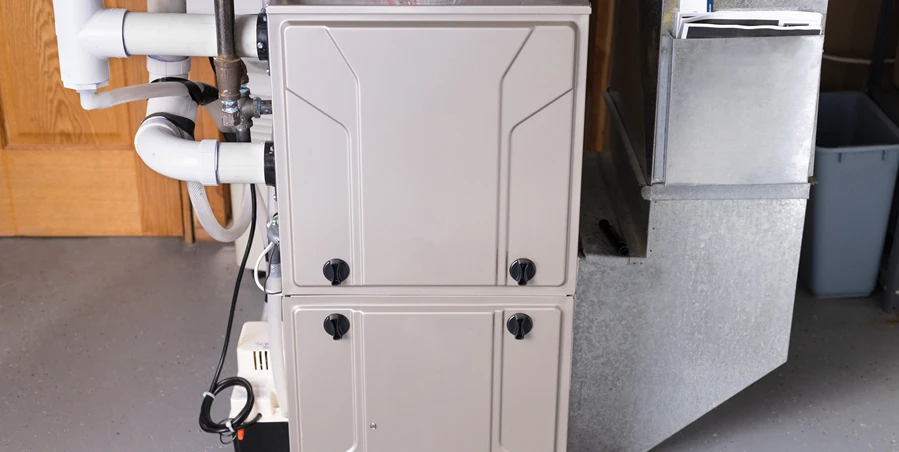
A two-stage furnace has these key components:
These components work together to deliver precision heating that adapts to your home’s needs.
You’ll notice these advantages of a two-stage furnace over a single-stage system.
The low stage provides consistent heating with fewer temperature fluctuations. You won’t experience the sudden bursts of heat or cold often associated with single-stage systems.
Operating in the low stage for extended periods consumes less energy than frequently cycling on and off at full power. This can lower your utility bills over time.
The low stage runs more quietly compared to the full blast of a single-stage furnace, creating a more peaceful home environment.
Since a two-stage furnace operates at a lower capacity most of the time, it experiences less wear and tear, extending its lifespan.
The variable-speed blower motor keeps air circulating even when the furnace isn’t actively heating, helping to filter and clean the air in your home.
While two-stage furnaces offer significant advantages, they may not be the ideal solution for everyone. Here are a few factors to consider:
To ensure your two-stage furnace runs efficiently for years to come, regular maintenance is crucial.
Whenever you notice problems with your heating system, immediately schedule furnace repair service. We’re standing by with experienced Sears Home Services HVAC technicians to fix any type of furnace failure that comes your way.
Trust Sears Home Services to help you keep your home warm and safe all winter long.
Loading scheduler options...
Learn how an oil-burning furnace works and how to maintain it.

Learn how wood furnaces work and the advantages of using them.
Find answers to 'How does a furnace work?' with Sears Home Services

Discover how to clean furnace burners with our expert tips and step-by-step guide to ensure efficient and smooth heating operation.
A furnace condensate pump is a device installed in HVAC systems, particularly high-efficiency furnaces, to collect and automatically remove the water (condensate) produced during the heating process.
A furnace is a major appliance that heats air distributed throughout a home or building via a ductwork system.
A furnace blower motor is a crucial component of a home heating system that drives the fan responsible for circulating air throughout the HVAC system and into the living spaces of the home.
A furnace door is a crucial component of a home heating system, providing access to the interior of the furnace for maintenance, repairs, and inspections. It helps in maintaining the system's efficiency and safety.
When your Payne central air conditioner won’t turn on or isn’t cooling, check for power problems, a failed capacitor, or a clogged condensate drain. This guide covers quick, safe troubleshooting steps and explains when to call Sears Home Services for expert central AC repair.
When your ICP central air conditioner won’t turn on or isn’t cooling, check for power problems, a failed capacitor, or a clogged condensate drain. This guide covers quick, safe troubleshooting steps and explains when to call Sears Home Services for expert central AC repair.
When your Heil central air conditioner won’t turn on or isn’t cooling, check for power problems, a failed capacitor, or a clogged condensate drain. This guide covers quick, safe troubleshooting steps and explains when to call Sears Home Services for expert central AC repair.
When your Carrier central air conditioner won’t turn on or isn’t cooling, check for power problems, a failed capacitor, or a clogged condensate drain. This guide covers quick, safe troubleshooting steps and explains when to call Sears Home Services for expert central AC repair.
When your Comfortmaker central air conditioner won’t turn on or isn’t cooling, check for power problems, a failed capacitor, or a clogged condensate drain. This guide covers quick, safe troubleshooting steps and explains when to call Sears Home Services for expert central AC repair.
When your Ruud central air conditioner won’t turn on or isn’t cooling, check for power problems, a failed capacitor, or a clogged condensate drain. This guide covers quick, safe troubleshooting steps and explains when to call Sears Home Services for expert central AC repair.