 Appointment Lookup
 213-596-2538
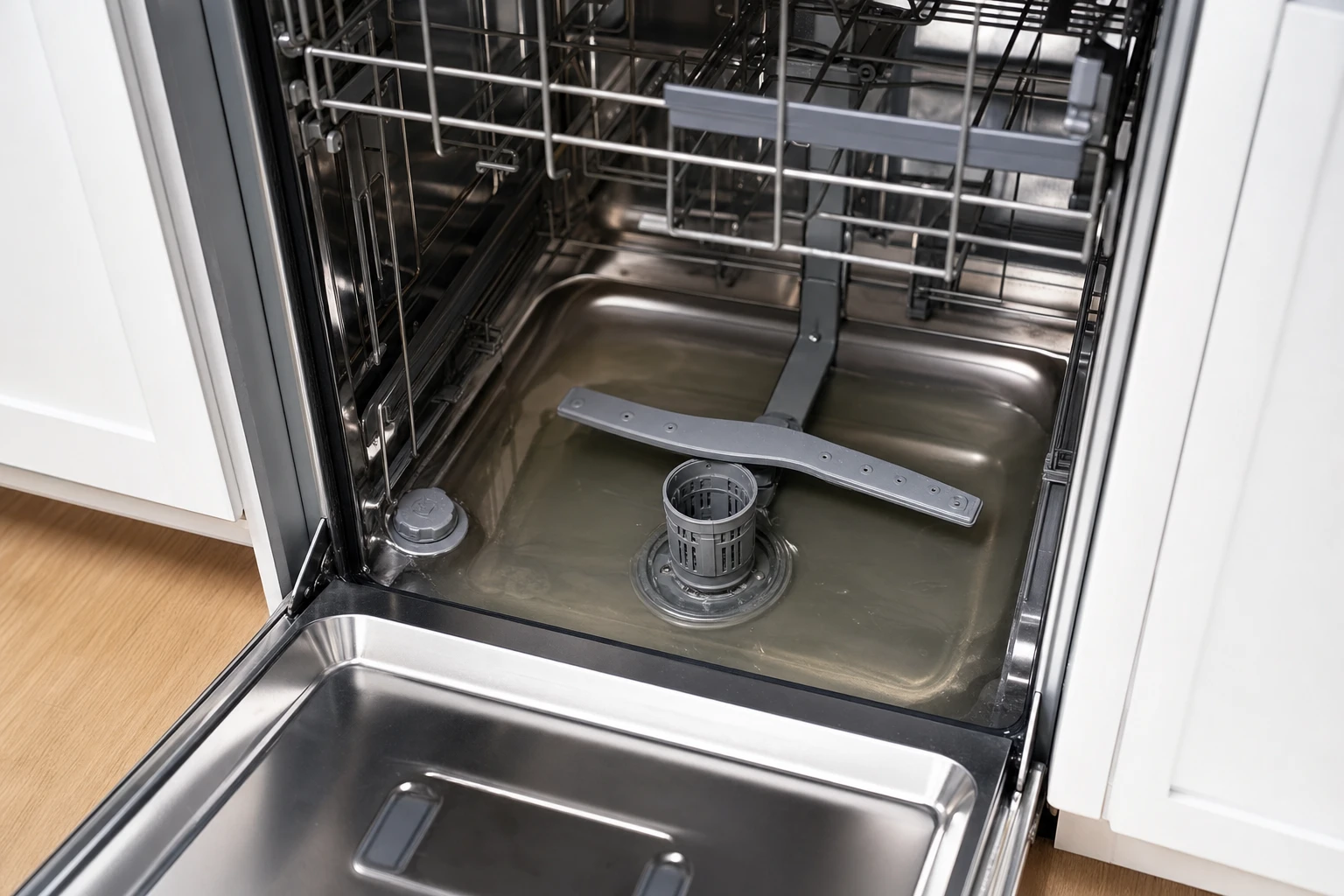
Learn how to drain a dishwasher with standing water in 6 easy steps. Fix clogs, clean the filter, and know when to call a pro for expert repair.

Portable dishwashers are a fantastic solution for those living in small spaces or lacking a built-in dishwasher. Designed to offer the same cleaning efficiency as a full-size, built-in unit, portable dishwashers add the benefit of flexibility and portability. Here’s an in-depth look at their basic functions and how they can make life easier.
KEY TAKEAWAYS
Portable dishwashers are typically smaller than built-in dishwashers but many of their functions are the same except for water supply and drain connections.
To use a portable dishwasher, you typically connect the fill hose to your kitchen faucet using an adapter, eliminating the need for a directly and permanently connected water line. The drain line is often coupled to the fill line so dishwasher drain water goes down through the kitchen sink drain.
Once the dishwasher fill and drain lines are set up, you can plug the power cord into a standard power outlet, load the dishes, add detergent and start the cycle.
The setup is simple and takes only a few minutes, allowing you to use the dishwasher only when needed and to store it out of sight at other times.
Here’s a general description of cycle operations in a portable dishwasher.
Most portable dishwashers have a clean light that turns on when the cycle is complete so that you can unload the dishwasher and store it until needed again.
Portable dishwashers typically include these features.
Portable dishwashers are designed for maximum convenience. Unlike traditional dishwashers, they don’t require permanent installation. Most models come with wheels for easy mobility, allowing you to move the appliance into place when needed and store it when not in use. This makes portable dishwashers ideal for apartments, small kitchens, or even office spaces.

Portable dishwashers offer similar wash cycles to traditional models, enabling you to choose the best cleaning option for your dishes. Common cycle options include:
Some models also include a Delay Start feature, allowing you to schedule the wash cycle for later, so you can take advantage of off-peak electricity rates or have clean dishes ready at a specific time.
Portable dishwashers are equipped with an internal water heating system. This feature is essential for reaching the high temperatures needed to sanitize dishes effectively, which is especially important for households with young children or for cleaning items used with raw meat.
The heating element raises the temperature of the incoming water (often from the kitchen tap) to optimal levels for cleaning and sanitation. The result is a deep clean that removes bacteria and food residues effectively, leaving dishes sanitized and spotless.
Just like a traditional dishwasher, a portable unit includes compartments for detergent and rinse aid. These compartments are usually located on the inside of the dishwasher door.
Adding detergent ensures that dishes are thoroughly cleaned, while rinse aid helps prevent water spots, ensuring glasses and dishes come out sparkling.
Portable dishwashers are compatible with most standard dishwasher detergents, whether in powder, gel, or pod form.
To ensure that food particles don’t get redeposited on your clean dishes, portable dishwashers come equipped with a filtration system. These filters trap food debris, preventing them from clogging the drainage system and maintaining the dishwasher's efficiency over time. Some models have self-cleaning filters, while others require periodic cleaning.

Some portable dishwashers typically have adjustable racks to maximize space and allow for a variety of dish types. These racks can hold plates, bowls, cups, and even larger cookware, depending on how you arrange them.
Certain models also have foldable tines or removable racks to provide more room for larger items, making it possible to wash pots and pans in a compact appliance.
The drain pump in a portable dishwasher is basically the same as a built-in dishwasher but a portable dishwasher uses a drain hose that conveniently sends water through your kitchen sink to drain wastewater during the cycle. This drain hose is typically part of the same setup used to connect the unit to your kitchen sink faucet.
After the wash cycle completes, the drain pump pushes wastewater out through this hose and down the sink, allowing the dishwasher to efficiently handle waste without needing a dedicated plumbing setup.
Though smaller in size, portable dishwashers are often built to be energy and water-efficient. They’re a great option for eco-conscious households, as they use significantly less water compared to handwashing, particularly if you’re washing full loads. Additionally, their compact design and specialized cycles mean that they consume less electricity, which can lead to savings on utility bills over time.
Most modern portable dishwashers are designed to run quietly, making them a suitable addition to small spaces. Noise levels vary between models, but many portable dishwashers now include soundproofing technology that reduces operational noise, allowing them to run discreetly in the background.
Maintaining a portable dishwasher is straightforward. Regularly wiping down the interior and exterior, as well as occasionally cleaning the filter, will help extend its lifespan.
Some models come with a self-cleaning feature or a specific cleaning cycle that removes buildup inside the machine, reducing the need for manual cleaning.
Using a dishwasher cleaner such as Affresh or Dishwasher Magic will help eliminate hard water deposits and other debris from filters and the dishwasher tub so your dishwasher will work more efficiently.
Schedule professional dishwasher maintenance yearly to keep your portable dishwasher in top shape and lasting longer. During maintenance service, the technician will check all components and functions of the dishwasher to make sure it’s operating efficiently.
Whenever you detect problems with your portable dishwasher, schedule dishwasher repair service immediately to have one of our technicians visit your home and fix the problem. Our techs are experienced at repair all brands and types of portable dishwasher.
Portable dishwashers are an excellent alternative to traditional, built-in models, offering a combination of flexibility, efficiency, and ease of use. With an array of features designed for effective cleaning, these appliances provide convenience for any household that wants the benefit of a dishwasher without the commitment of installation. Whether you’re living in a small apartment, traveling in an RV, or simply want extra dishwashing capacity, a portable dishwasher is a reliable, space-saving option that makes daily chores easier.
With extensive experience, our technicians are skilled in repairing dishwashers of all makes and models, ensuring sparkling clean dishes with every cycle.
Loading scheduler options...
Learn how to drain a dishwasher with standing water in 6 easy steps. Fix clogs, clean the filter, and know when to call a pro for expert repair.
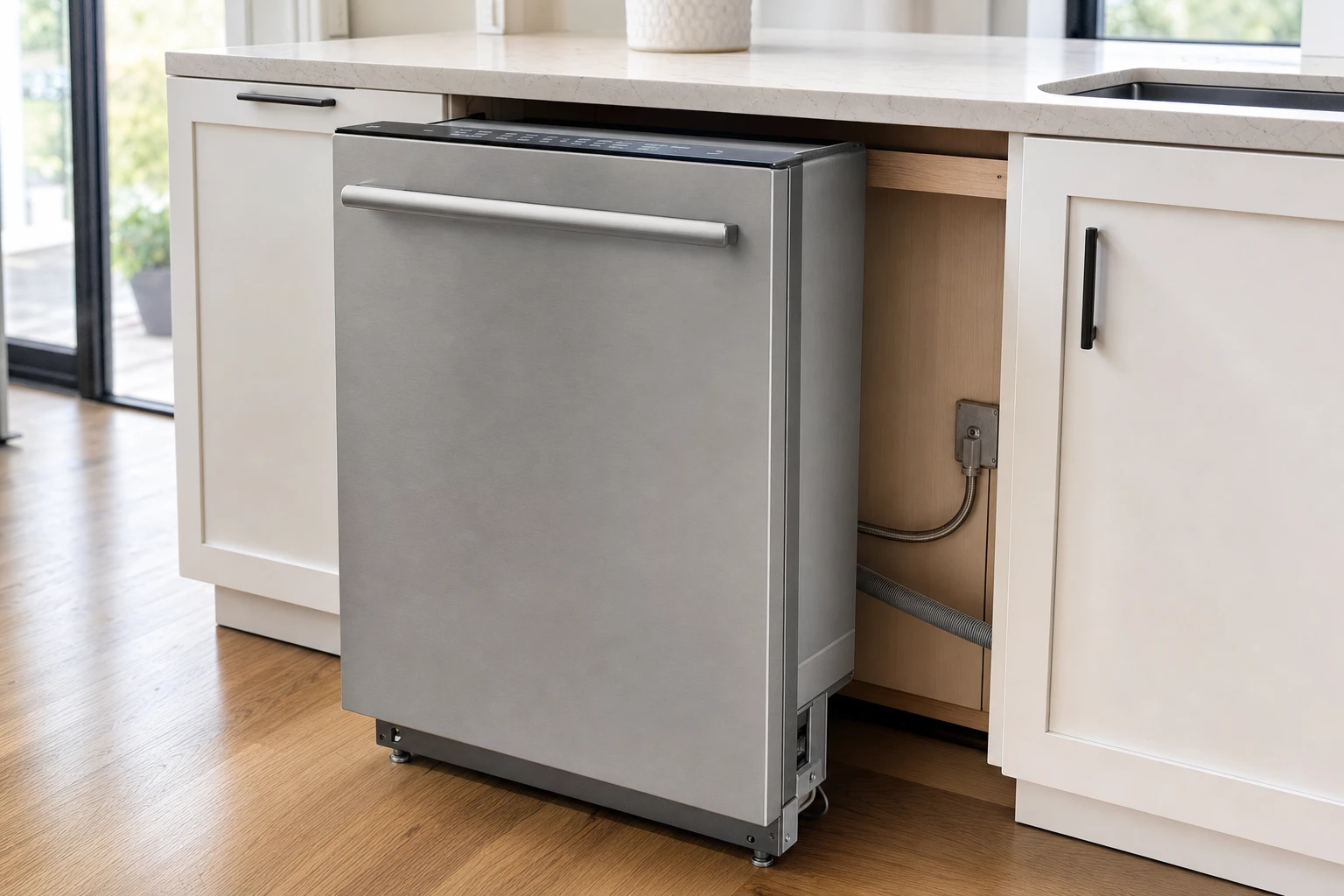
Learn how to replace a dishwasher safely in 2026. Step-by-step removal, hookup, and install tips—plus when to call a manufacturer-trained technician.
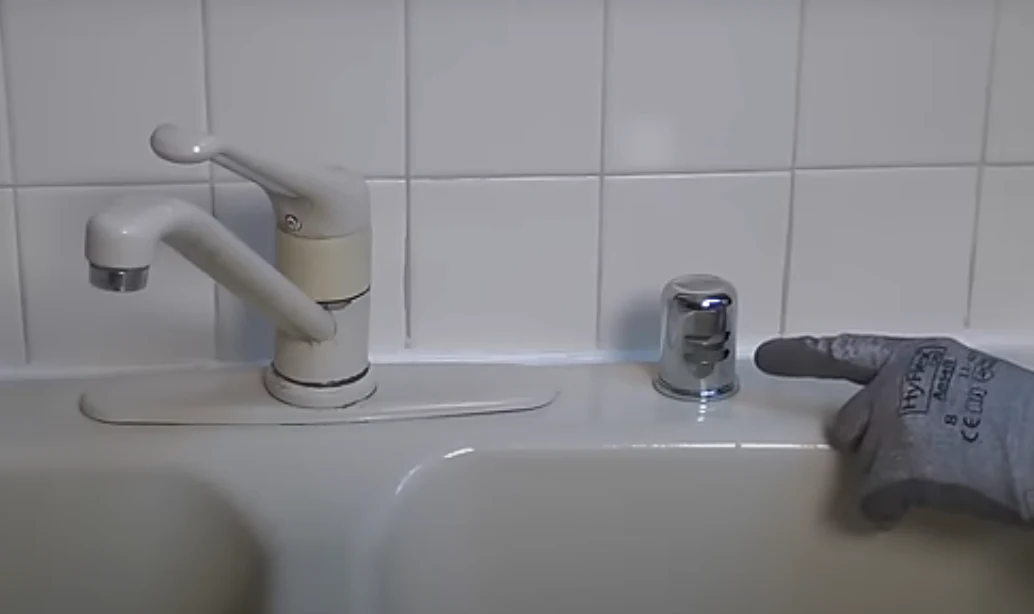
Learn how an air gap works in the drain system of a dishwasher.

Learn how a recirculation pump works in a dishwasher and how to troubleshoot pump problems.
A dishwasher basket is a removable container designed to securely hold small items like cutlery and utensils during the wash cycle, ensuring efficient cleaning without loss or damage.
A dishwasher end panel is a finishing piece installed on the exposed side of a dishwasher, primarily when it is at the end of kitchen cabinetry, to ensure a seamless and aesthetically pleasing look in the kitchen.
A dishwasher diverter motor controls the direction of water flow to different spray arms within the dishwasher, ensuring optimal water distribution during each wash cycle for thorough cleaning.
A dishwasher drawer is a compact, space-saving kitchen appliance designed to clean dishes efficiently, resembling a standard kitchen drawer that slides out for easy loading and unloading.
The most common reasons your Frigidaire dishwasher won't start a cycle are a defective electronic control board, damaged power supply board or a failed door switch.
The most common reasons your Amana dishwasher won't drain are a failed drain pump, faulty pump and motor assembly or a cracked drain hose.
The most common reasons your Bosch dishwasher has no heat are a defective electronic control board, clogged water valve or a broken detergent dispenser.
The most common reasons your Electrolux dishwasher is not heating are a defective electronic control board, faulty pump and motor assembly or a damaged user interface control.
The most common reasons your Kenmore dishwasher is not washing are a faulty pump and motor assembly, defective electronic control board or a clogged spray arm.
The most common reasons your Kenmore Elite dishwasher is not washing are a faulty pump and motor assembly, defective electronic control board or a clogged spray arm.