 Appointment Lookup
 213-596-2538
Learn what a dishwasher turbidity sensor is, how it measures water clarity to adjust cycles, and what to do when it fails. Expert repair help from Sears.
Understanding Your Dishwasher's Circulation System
Common Symptoms of a Failed Circulation Pump
Diagnose the Circulation Pump Failure Before Replacing the Part
Safety First: Prioritizing Your Well-being
Tools and Materials You Will Need
Step-by-Step Guide: Replacing Your Dishwasher Circulation Pump
Maintaining Your Dishwasher for Longevity
When to Call a Professional for Repair
Frequently Asked Questions
This DIY repair guide gives step-by-step instructions for replacing the circulation pump on a common type of dishwasher.
The dishwasher circulation pump sends water through the spray arms; when the spray arms aren’t spraying, the circulation pump could be at fault.
Other issues can prevent proper water flow through the spray arms, so you’ll need to carefully diagnose the dishwasher cleaning failure before replacing the circulation pump. We’ll help you with that too.
KEY TAKEAWAYS
The dishwasher circulation pump is a critical component responsible for circulating wash water throughout the dishwasher tub and spray arms. It operates by drawing water from the sump, pressurizing it, and distributing it through the spray arms to clean dishes.
This system ensures effective detergent distribution and debris removal during wash cycles.
Identify these symptoms to help diagnose a malfunctioning circulation pump:
Perform these initial troubleshooting steps to help you determine whether the dishwasher circulation pump is bad:
Here’s a video that shows how to check additional issues that can cause poor washing results and mimic symptoms of a bad dishwasher circulation pump:
If your dishwasher fills properly, the spray arms aren’t damaged and yet the circulation pump isn’t working, then replacing that part may fix the problem.
Keep in mind that replacing the pump in most dishwashers is fairly expensive — even if you do it yourself. It’s often better to have a service technician diagnose and repair the dishwasher rather than attempting to fix it on your own.
If you’re sure that the circulation pump needs replacing and you’re determined to do it yourself, follow the step-by-step procedure provided below to replace the dishwasher pump on a common type of dishwasher.
Your safety is paramount. Adhere to these critical safety measures:
Prepare these items before starting the replacement process.
Follow the steps shown in this tutorial video to replace the circulation pump in one of the most common type of dishwasher manufactured by brands such as Whirlpool, KitchenAid, Kenmore, Maytag and Amana:
(If you have a different type of dishwasher, you’ll likely need to schedule dishwasher repair service to have a service technician replace the pump.)
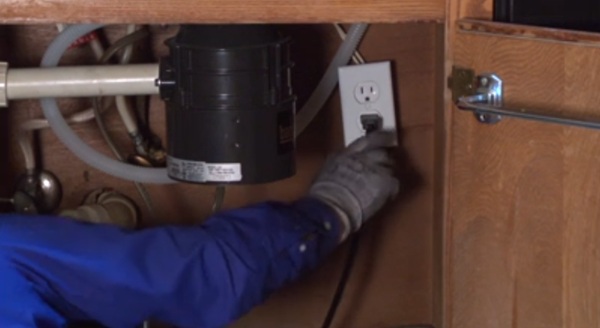
This is a critical safety step.
If your dishwasher power cord plugs into an electrical outlet under the kitchen sink, unplug the dishwasher power cord.
If your dishwasher power cord is hard-wired directly to the electrical supply, locate the circuit breaker dedicated to your kitchen or dishwasher and flip the circuit breaker to the "OFF" position.
Verify power disconnection by attempting to power on the dishwasher. The display should be dark and unresponsive.
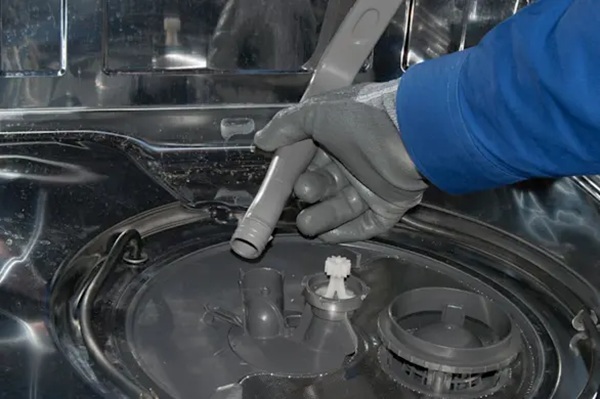
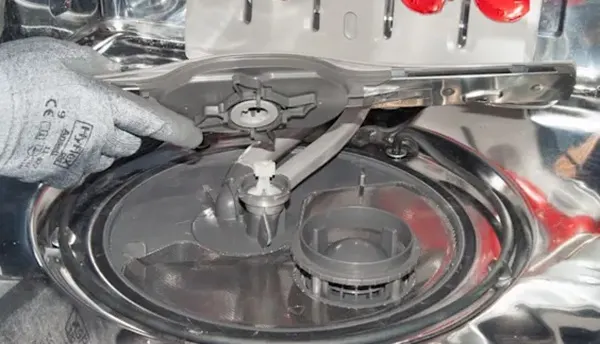
1, Open the dishwasher door and pull out the bottom dishrack.
2. Release the upper dishrack track stops and pull out the upper dishrack.
3. Release the bottom spray arm and remove it.
4. If you have a Kenmore dishwasher or similar Whirlpool dishwasher model with a TurboZone spray arm, release and remove the TurboZone manifold.
5. Release the feed tube clips. Release the feed tube from the pump outlet and pull out the feed tube.
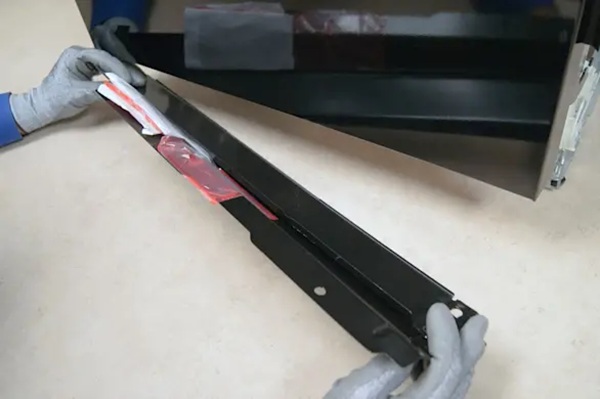
Using a nut driver, remove the screws that hold the bottom front access panel and toe panel in place.
Pull the access panel and the toe panel forward and remove them.
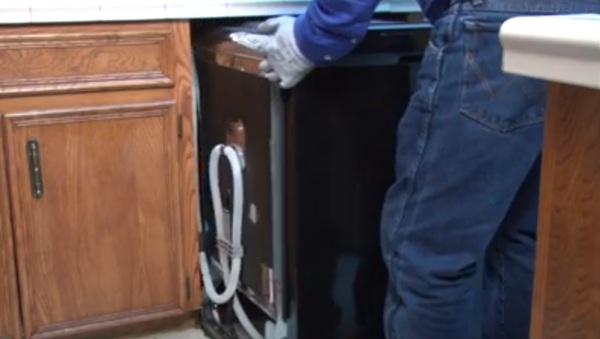
Pro tip: If your dishwasher power supply is hard-wired directly into the junction box, remove junction box cover and disconnect the wires. Remove the strain relief nut to release the power cable from the junction box as shown in the video.
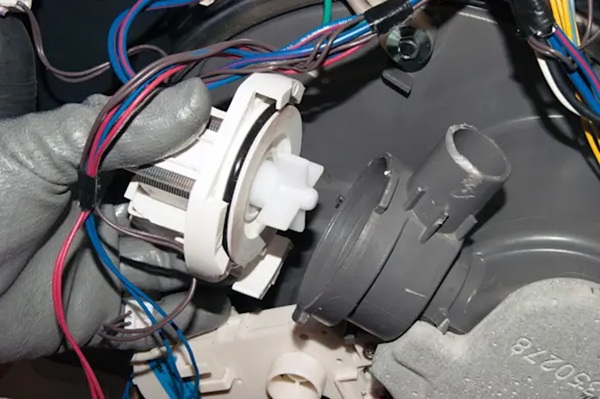
Check the drain pump gasket and order a new drain pump or drain pump gasket if the seal is damaged.
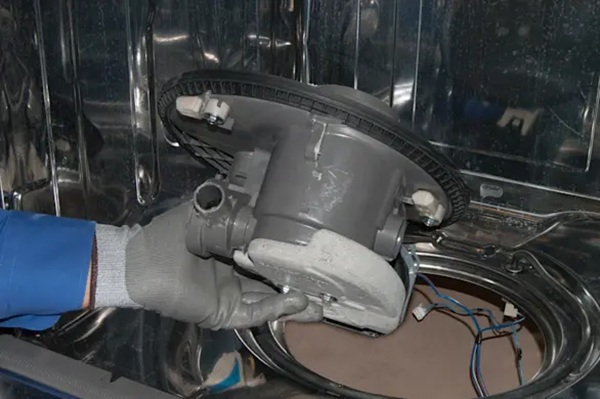
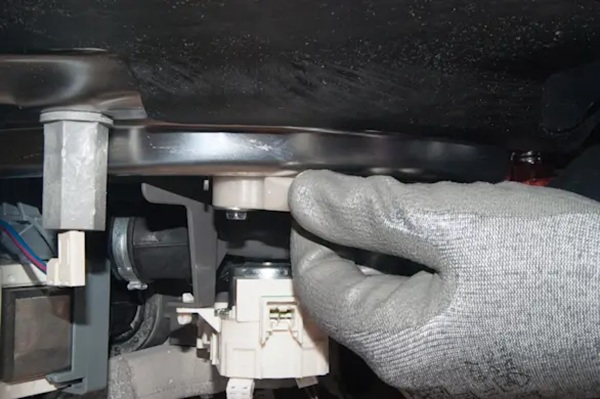
Pro tip: If the dishwasher hardwires into a junction box, push the power cable into the junction box and reinstall the strain relief nut. Reconnect the wires in the junction box and reinstall the junction box cover as shown in the video.
1, Open the dishwasher door.
2. Reinstall the feed tube and snap it into the mounting clips.
3. If you have a Kenmore dishwasher with a TurboZone spray arm, reinstall the TurboZone manifold.
4. Reinstall the bottom spray arm.
5. Push the upper dishrack into the tracks and reinstall the track stops.
6. Put the lower dishrack back into the tub.
Reset the house circuit breaker or plug in the dishwasher to restore electrical power.
Open the water supply valve.
Run a dishwasher cycle and check for leaks.
If water leaks out from under the front dishwasher toe panel, disconnect electrical power and shut off the water supply. Find and fix the cause of the leak or have a service technician examine the dishwasher and fix the cause of the water leak.
Proactive maintenance extends the life of your dishwasher and its components.
Clean the dishwasher filter monthly or as recommended by the manufacturer. Accumulated food particles can strain the pump.
Schedule annual dishwasher inspection and maintenance by a qualified appliance technician. They can identify potential issues before they escalate.

Recognize when professional assistance is warranted.
If you encounter unfamiliar or intricate electrical wiring or complex plumbing configurations that exceed your comfort level.
When you are unable to identify a component or understand its function during circulation pump replacement.
If you feel unsafe at any point during the repair process, or if you encounter unexpected hazards such as damaged electrical wires or severe water damage.
As you can see from the video and written steps, dishwasher circulation pump replacement is typically a long and complicated repair. Lubricating and seating all water seals and gaskets is crucial to preventing leaks and potential damage to flooring and kitchen cabinets.
Consider carefully whether you should tackle this complicated and somewhat risky repair on your own.
If you’re not completely confident that you can pull it off, schedule dishwasher repair service and we’ll replace the circulation pump for you.
With extensive experience, our technicians are skilled in repairing dishwashers of all makes and models, ensuring sparkling clean dishes with every cycle.
Loading scheduler options...
Learn what a dishwasher turbidity sensor is, how it measures water clarity to adjust cycles, and what to do when it fails. Expert repair help from Sears.
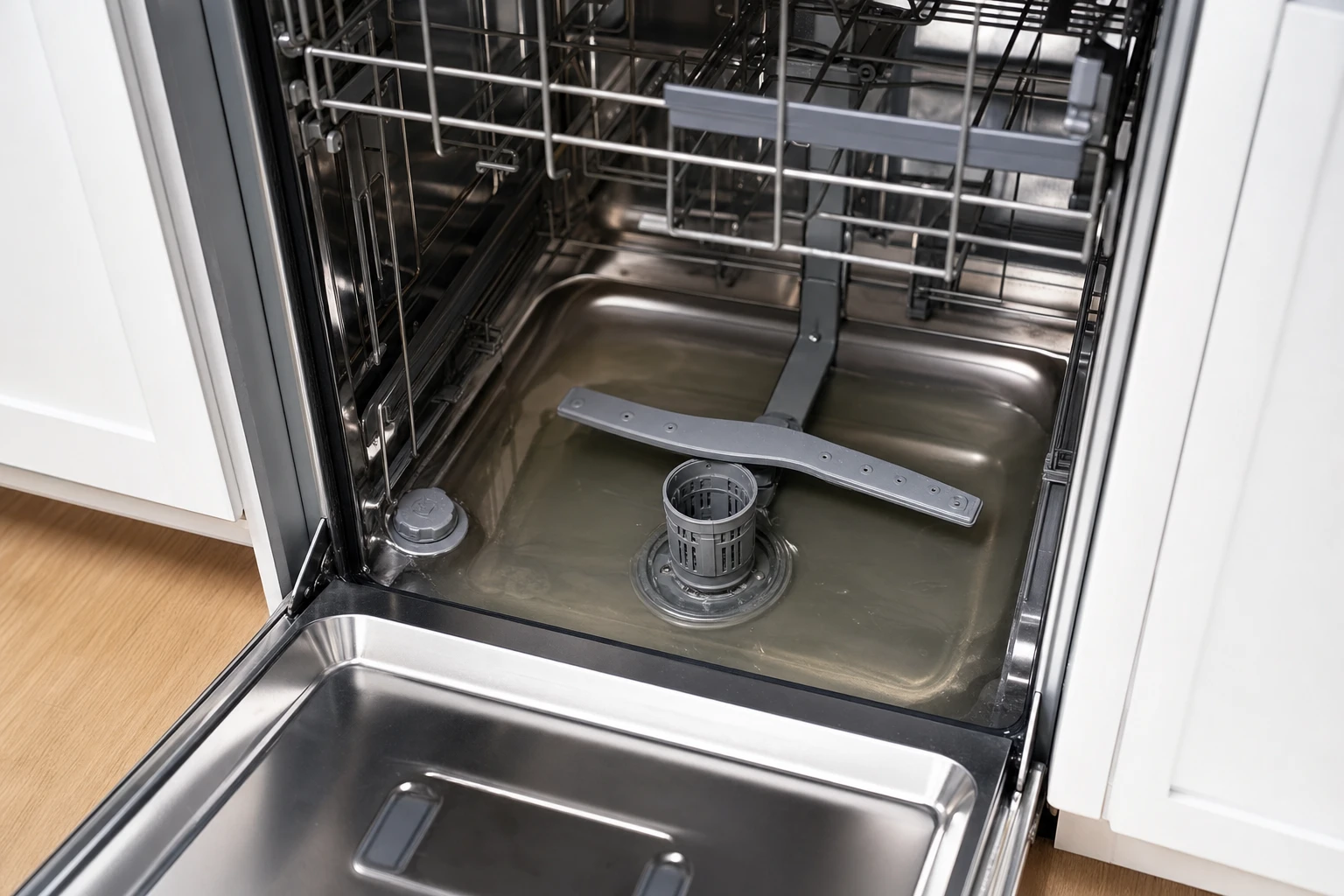
Learn how to drain a dishwasher with standing water in 6 easy steps. Fix clogs, clean the filter, and know when to call a pro for expert repair.
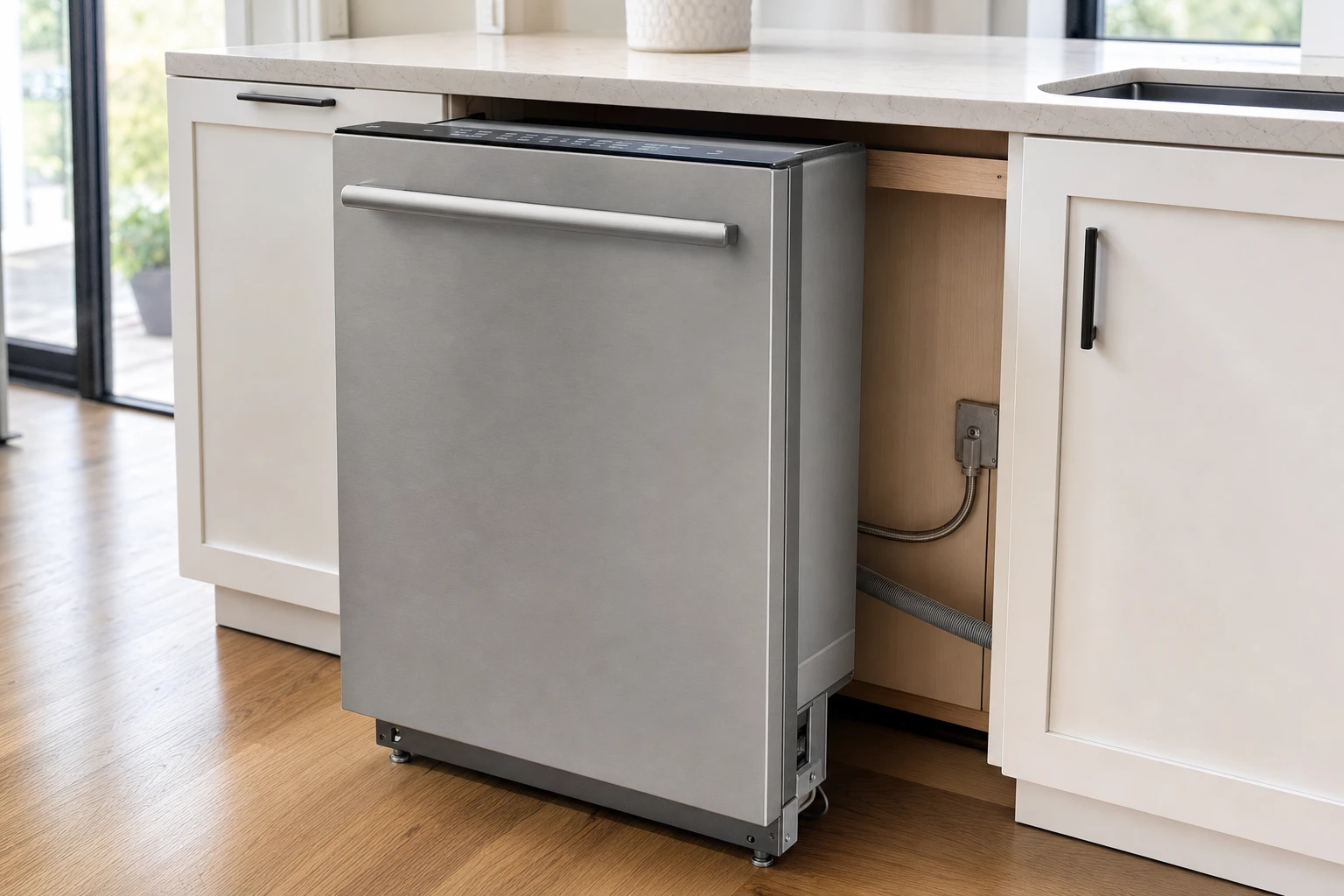
Learn how to replace a dishwasher safely in 2026. Step-by-step removal, hookup, and install tips—plus when to call a manufacturer-trained technician.

Find out why your dishwasher is stopping mid-cycle and how to fix common problems that cause this symptom.
A dishwasher basket is a removable container designed to securely hold small items like cutlery and utensils during the wash cycle, ensuring efficient cleaning without loss or damage.
A dishwasher end panel is a finishing piece installed on the exposed side of a dishwasher, primarily when it is at the end of kitchen cabinetry, to ensure a seamless and aesthetically pleasing look in the kitchen.
A dishwasher diverter motor controls the direction of water flow to different spray arms within the dishwasher, ensuring optimal water distribution during each wash cycle for thorough cleaning.
A dishwasher drawer is a compact, space-saving kitchen appliance designed to clean dishes efficiently, resembling a standard kitchen drawer that slides out for easy loading and unloading.
The most common reasons your Frigidaire dishwasher won't start a cycle are a defective electronic control board, damaged power supply board or a failed door switch.
The most common reasons your Amana dishwasher won't drain are a failed drain pump, faulty pump and motor assembly or a cracked drain hose.
The most common reasons your Bosch dishwasher has no heat are a defective electronic control board, clogged water valve or a broken detergent dispenser.
The most common reasons your Electrolux dishwasher is not heating are a defective electronic control board, faulty pump and motor assembly or a damaged user interface control.
The most common reasons your Kenmore dishwasher is not washing are a faulty pump and motor assembly, defective electronic control board or a clogged spray arm.
The most common reasons your Kenmore Elite dishwasher is not washing are a faulty pump and motor assembly, defective electronic control board or a clogged spray arm.