 Appointment Lookup
 213-596-2538

Discover the top 11 reasons why your refrigerator is not cooling. Get expert tips and solutions from Sears Home Services.

A loud humming noise coming from your fridge can be both annoying and concerning. It’s a sign that something isn't quite right.
The good news? Many noise-related issues are easy to diagnose and fix. Here's a step-by-step guide to help you silence your fridge and keep it running smoothly.
KEY TAKEAWAYS
Refrigerators need a little breathing room to work efficiently. If yours is pressed too tightly against the wall or cabinets, vibrations can amplify the humming sound. If the refrigerator is actually touching an adjacent wall or cabinet, the fridge can make a humming noise when the compressor motor runs.
Also, components such as the compressor that rely on adequate airflow through the machine compartment can overheat and begin making humming noise when you don’t leave enough clearance around the fridge for air to circulate properly to cool internal components.
Pull the refrigerator out slightly, ensuring there's at least an inch of clearance on all sides and 2 inches of clearance behind the fridge.
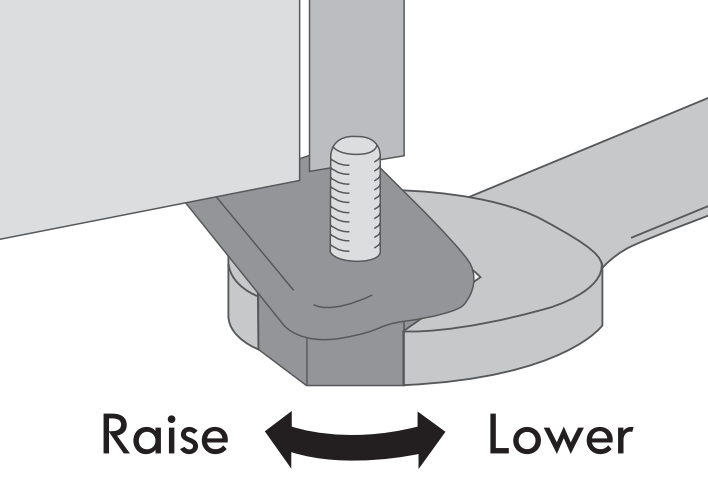
The fridge must be placed on stable flooring and leveled properly to prevent humming noises.
Use a level to check if the fridge is sitting evenly. Adjust the leveling legs if needed to stabilize the fridge and eliminate humming noise.
Dirty condenser coils force your refrigerator to work harder, which can create a louder-than-usual hum. These coils, typically located at the back or bottom of the fridge, collect dust and debris over time.
Here’s a video that shows how clean refrigerator condenser coils:
Cleaning the condenser coils may fix the loud humming noise coming from the fridge.

The evaporator fan, located inside the freezer compartment, circulates air throughout the refrigerator. If it's obstructed by excessive frost or ice, it will make a loud humming or buzzing noise as the spinning fan blade hits the ice or frost buildup.
Unplug the fridge and remove the back panel of the freezer. Inspect the area around the evaporator fan for excessive ice or frost buildup that the evaporator fan blades could be hitting. Defrost the area if needed.
If the excessive frost and ice returns within a day or two, troubleshoot the automatic defrost system in the fridge to permanently fix the problem. Here’s a video that shows how to fix defrost problems:
A faulty fan blade or failing evaporator fan motor can cause a humming noise. If you see no frost or ice buildup around the evaporator fan and you know that it’s humming loudly, manually spin the fan blade. If it feels stuck or wobbly, replace the evaporator fan.
If the fan blade is okay, touch the fan motor so see if it’s hot. If it is, then the fan motor is likely bad. Replacing the evaporator fan motor may fix the problem if the motor is hot and buzzing when it runs.
The compressor is the heart of your refrigerator, located at the back bottom. A humming sound from the compressor is normal, but if it's louder than a faint buzz, it could signal an issue.
Unplug the fridge and remove the machine compartment panel on the baci of the refrigerator. Feel the compressor for excessive heat.
If the compressor is too hot or the sound persists, schedule refrigerator repair to have the problem fixed. Only a service technician is allowed to replace a compressor because the repair involves handling CFC refrigerant.
Loose parts like screws, panels, or the drain pan can vibrate and produce a humming noise.
Inspect the rear and bottom of the refrigerator for loose components.
Tighten screws, secure the drain pan, and ensure all panels fit snugly.
Test the fridge after making adjustments to see if the noise disappears.
If your refrigerator has an ice maker, it might be the source of the humming sound. Issues like a stuck ice cube in the ice maker ejection arms can cause gears in the ice maker to slip and buzz.
Check the area above the ice mold for a stuck ice cube. Remove any stuck ice cubes from the ejection arms.
If the ejection motor is humming even though no ice cubes are stuck in the ejection arms, you’ll likely need to schedule refrigerator repair service to have a technician replace the ice maker assembly.
Not all humming noises are easy to find.
If these tips don’t help you resolve the noise issue, the problem might be beyond a simple DIY fix.
Strange noises can indicate serious issues like a failing compressor or damaged internal components. In such cases, contacting a qualified technician quickly is your best bet to fix the problem. Don’t let the noise drive you crazy—take action today and restore peace in your kitchen.
To help prevent unusual refrigerator noises and unexpected failures, schedule professional refrigerator maintenance service yearly. We’ll send a Sears Home Services technician to your home to clean, maintain, inspect and adjust the fridge to keep it in top shape and running smoothly all year long.
Annual preventive maintenance will also help your refrigerator last longer and run more efficiently.
Backed by years of experience, our technicians possess the skills necessary to fix your refrigerator. And because our techs our local, they can fix it for you fast.
Loading scheduler options...
Discover the top 11 reasons why your refrigerator is not cooling. Get expert tips and solutions from Sears Home Services.

Discover the most common problems with Samsung refrigerators, including cooling issues, total cooling failure, and ice maker malfunctions. Learn how to troubleshoot these issues and find reliable repair solutions with Sears Home Services.
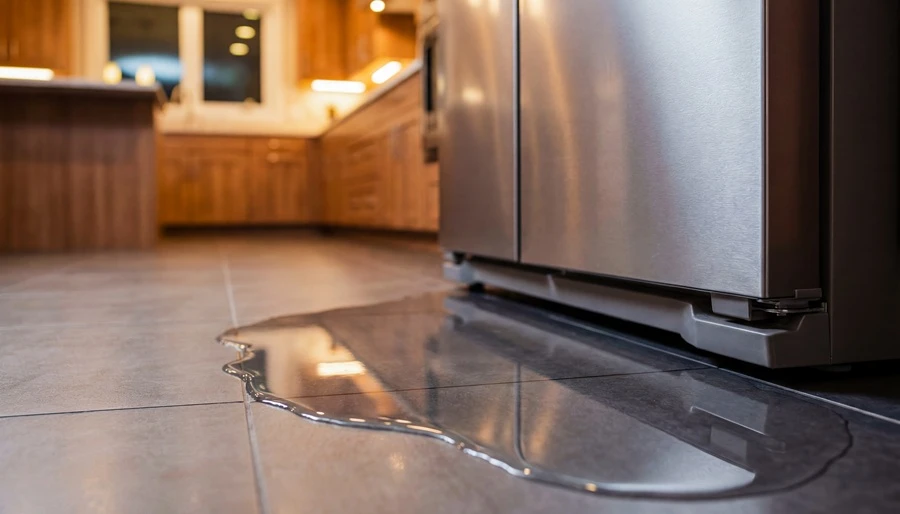
A leaking refrigerator is more than a household inconvenience—it can pose serious safety and health risks. This guide explains why refrigerators leak, the dangers involved, and the essential steps homeowners should take to protect their home, family, and appliance.

When your refrigerator starts making strange noises, distinguishing between normal sounds and potential problems becomes essential.
A compressor is a mechanical device that increases the pressure of a gas by reducing its volume, essential in various systems including refrigerators, air conditioners, and HVAC units for cooling and refrigeration processes.
A condenser is a component of HVAC and refrigeration systems, responsible for releasing absorbed heat from the refrigerant into the outside air or a water line, thus facilitating the cooling process.
A dual ice maker is a feature in some refrigerators that includes two separate ice makers: one in the fridge compartment and another in the freezer section. This setup doubles the appliance's ice-making capacity.
A French-door refrigerator features two doors that open side-by-side on the top section for the refrigerator compartment, with a bottom freezer drawer, combining style, efficiency, and easy access to both refrigerated and frozen goods.
The most common reasons your LG refrigerator icemaker reset button is not working are a faulty icemaker, a malfunctioning PCB, or a defective water valve.
The most common reasons your Samsung refrigerator is leaking water are a clogged defrost drain, cracked dispenser water tubing or a damaged evaporator.
The most common reasons your Kenmore Elite refrigerator stopped working are a locked compressor, damaged evaporator or a defective electronic control board.
The most common reasons your Maytag refrigerator stopped working are a locked compressor, damaged evaporator or a defective electronic control board.
The most common reasons your Kenmore refrigerator is noisy are a faulty ice maker assembly, defective electronic control board or a locked compressor.
The most common reasons your Kenmore refrigerator fan is not working are a defective electronic control board, damaged evaporator or a locked compressor.