 Appointment Lookup
 802-552-4364

Discover what the Seasonal Energy Efficiency Ratio (SEER) is and why it's crucial for assessing air conditioner efficiency.
The most common reasons for your furnace blowing cold air are a dirty air filter, faulty safety interlock switch or ignition system failures.
28% of the time it's the Dirty Air Filter
24% of the time it's the Failed Safety Interlock Switch
19% of the time it's the Ignition System Failure
29% of the time it's the Something else
We can help! Our certified technicians repair all brands and models of furnaces. We can fix yours no matter where you bought it.
Loading scheduler options...
When your gas furnace is blowing cold air instead of heat, it usually means one of three key components isn’t working as it should. The most common causes are:
Let’s go through each issue and how to troubleshoot it safely.
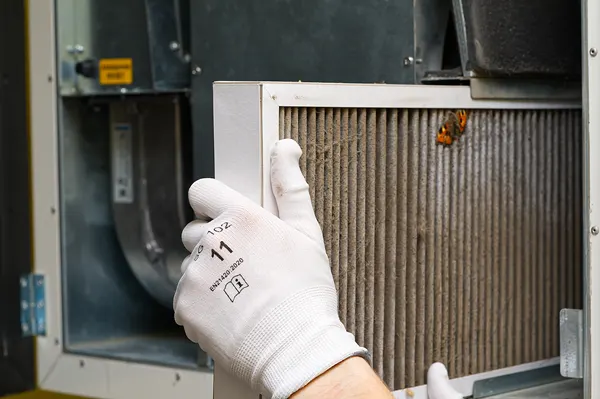
A clogged air filter is one of the most common reasons a furnace stops heating.
The filter traps dust and debris to protect your blower and heat exchanger. When it becomes dirty, airflow through the system drops dramatically.
A clean filter allows proper airflow and ensures your furnace can heat efficiently again.

Modern furnaces include several interlock or safety switches that prevent unsafe operation. Common examples include:
If any interlock switch fails or doesn’t close properly, the furnace’s control board won’t allow the ignition sequence to start. The blower may still run, but the burners won’t light—resulting in cold air from your vents.
A technician can use a multimeter to test each switch for continuity and replace any that have failed.
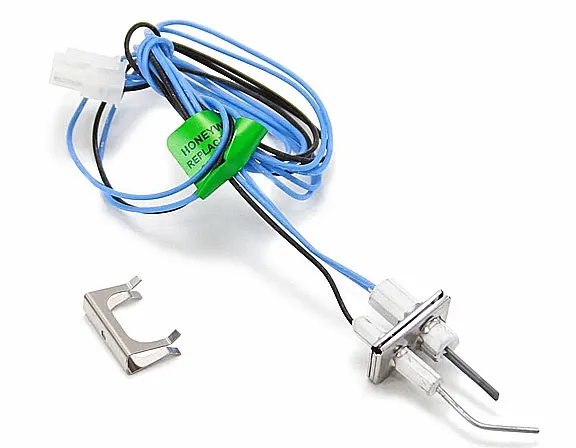
The igniter is what lights the gas burners. Most modern furnaces use a hot surface igniter that glows red-hot to ignite the gas as it flows into the burner assembly.
If the igniter is cracked, weak, or has lost electrical continuity, it won’t get hot enough to light the gas.
When the control board detects this failure, it shuts off the gas valve to prevent unburned gas from building up.
The result: no heat.
A trained technician can test the igniter for resistance and replace it if it’s defective.
When your furnace blows cold air, Sears Home Services is your trusted source for professional repair.
Our licensed technicians service all major furnace brands and carry the parts and expertise to fix heating problems fast.
We provide nationwide coverage, with local HVAC repair experts in major metro areas including:
Whether you’re dealing with a dirty filter, a safety switch failure, or a bad igniter, our experts can diagnose and repair your furnace quickly—keeping your home comfortable and your system running safely.
Don’t wait for the temperature to drop further. Schedule furnace repair with Sears Home Services today and get your heating system working right again.
Sears Home Services is the trusted nationwide service provider for reliable furnace repair, maintenance, and home comfort solutions.
Discover what the Seasonal Energy Efficiency Ratio (SEER) is and why it's crucial for assessing air conditioner efficiency.

Learn how an air filter works in your HVAC system and how to choose the right filter.

Improve indoor air quality and protect your family's health with HVAC maintenance, air purifiers, and natural solutions like plants and proper ventilation.

Wondering what it costs to replace an air conditioner in 2026? This guide explains average replacement pricing, SEER2 efficiency costs, and how to decide whether to repair or replace your AC system.
The 608 Certification, mandated by the Environmental Protection Agency (EPA), is required for HVAC technicians to legally handle refrigerants. It ensures technicians understand refrigerant types, environmental impact, and proper handling techniques.
A compressor is a mechanical device that increases the pressure of a gas by reducing its volume, essential in various systems including refrigerators, air conditioners, and HVAC units for cooling and refrigeration processes.
A condenser is a component of HVAC and refrigeration systems, responsible for releasing absorbed heat from the refrigerant into the outside air or a water line, thus facilitating the cooling process.
A capacitor in an AC unit is an electrical component that stores and releases electrical energy to help start the motor and stabilize the voltage during operation.