 Appointment Lookup
 213-596-2538

Discover effective stain removal hacks tested with common household ingredients to tackle grease, grass, and ink stains.
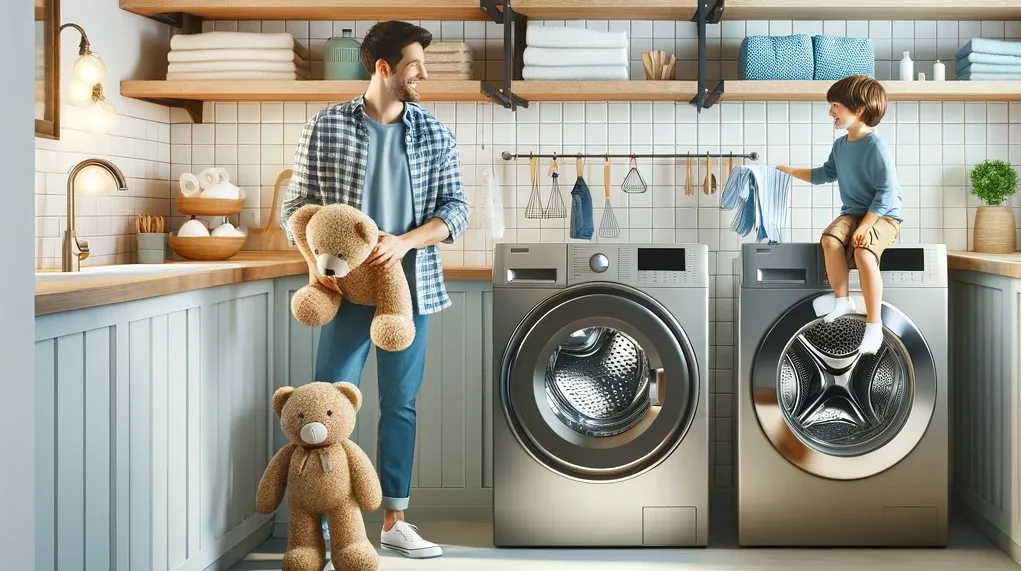
Welcome to our all-inclusive Washing Machine Buying Guide for 2026! Are you a homeowner seeking to upgrade your washing machine? With a plethora of choices out there, it can be daunting to make the right pick. But fear not, we are here to simplify this process for you.
This guide will delve into the key factors to consider when shopping for a washing machine, the different types available, the essential features to look out for, effective cleaning practices, answers to commonly asked questions, and the latest advancements in washing machine technology. Stick with us as we offer valuable insights to make your washing machine shopping experience a breeze.
KEY TAKEAWAYS
Purchasing a washing machine involves considering several factors to ensure you make the best choice for your household needs. In this guide, we will delve into three vital factors that should be at the forefront of your decision-making process: the machine's capacity and size, its energy efficiency, and the washing programs and features it offers.
The capacity and size of the washing machine are among the first things you should consider. This will depend on the size of your family and the volume of laundry you typically have. A larger capacity machine is ideal for bigger households or if you frequently have a lot of laundry, while a smaller machine may be suitable for single individuals or couples. Additionally, you must also consider the machine's physical dimensions to ensure it fits comfortably in your laundry area.
Energy efficiency is another crucial factor when choosing a washing machine. Opting for an energy-efficient model can help you save on your utility bills and contribute to environmental sustainability. Look for machines with high Energy Star ratings, as they are designed to use less water and electricity without compromising on performance.
Lastly, consider the washing programs and features offered by different models. Modern washing machines come equipped with a range of programs tailored to different fabric types and levels of dirtiness. Look for features like quick wash, delicate cycle, and stain removal options. Also, consider other convenient features such as a delay start timer or a child lock, depending on your specific needs.
By considering these factors, you can make an informed decision when choosing a washing machine that caters to your requirements. At Sears Home Services, we offer a wide range of top-quality washing machines that excel in capacity, energy efficiency, and innovative features. Browse through our selection today and find the ideal washing machine for your home.
Choosing a washing machine involves considering several options. Let's walk through the different types of washing machines available on the market:
These machines have been a traditional choice for many households. With a top-loading washing machine, you can conveniently load and unload your laundry from the top. They are known for their large capacity, making them ideal for families with a lot of laundry. Top-loading washing machines are also generally more affordable than other types.
Front-loading washing machines have gained increased popularity over the years due to their energy efficiency and superior cleaning performance. These machines have a door at the front that opens horizontally, allowing you to load and unload your laundry with ease. Front-loading washing machines use less water and detergent, making them a more environmentally friendly choice. They are also gentler on clothes as they don't rely on an agitator to clean the laundry.
If you're short on space or live in a small apartment, a compact washing machine might be the perfect fit for you. These machines are designed to be smaller in size, making them ideal for tight spaces. Despite their smaller size, compact washing machines can still handle a reasonable amount of laundry. They offer convenience and flexibility without compromising on performance.
For those seeking a space-saving and convenient solution, you may be wondering, how do all-in-one washer dryers work? These innovative machines combine both washing and drying functions in a single appliance, making them ideal for smaller spaces or households looking to simplify their laundry routine.
When purchasing a washing machine, there are several features that you should consider to ensure you make the right choice. Let's delve into three essential features that will help you find the perfect washing machine for your home.
These key features are crucial considerations when buying a washing machine. By understanding and prioritizing these features, you can make an informed decision and find the perfect washing machine that meets your needs and enhances your laundry experience.

When it comes to choosing a new washing machine in 2026, staying abreast of the latest technologies can help you make an informed decision. In this section, we'll explore three cutting-edge features that are revolutionizing the laundry experience.
When shopping for a new washing machine, consider these latest technologies to enhance your laundry experience. At Sears, we offer a wide range of washing machines equipped with these advanced features. Visit our Sears.com Upgrade website to see the latest washer models and get finance offers to replace your laundry appliances.
Purchasing a new washer is a significant investment, so it’s wise to research features such as capacity, spin speed, and smart technology. Front-loaders excel in water and energy efficiency, while top-loaders typically have shorter cycle times and are easier to load. Consider your household’s laundry habits: heavy-duty fabrics or large families may require a machine with robust performance and extra capacity. Yet, if your current washer only needs a fix or tune-up, you could save money by arranging a wash machine repair near me first. A professional evaluation might reveal that simple repairs can prolong your appliance’s life for years to come.
Increase the lifespan and performance of your washer with our comprehensive maintenance service, ensuring reliable laundry care and continued peace of mind.
Loading scheduler options...
Discover effective stain removal hacks tested with common household ingredients to tackle grease, grass, and ink stains.

Learn how to make any washer an energy efficient washer, and save money on your energy bills by using it the right way.

Discover simple solutions to eliminate detergent residue and ensure your laundry comes out clean and residue-free from your top-load washer.

Unpleasant odors in the laundry room can disrupt the tranquility of your home, signaling underlying issues that demand attention.
The drum is the core part of the washer that holds your laundry and enables the cleaning process through rotation, agitation, and rinsing.
Hard water is water that contains high levels of dissolved minerals, particularly calcium and magnesium. It contrasts with soft water, which has lower concentrations of these minerals.
A washing machine pedestal is a platform that raises the washer off the ground, providing easier access to the appliances and often includes additional storage space such as drawers.
A washer tub is the interior part of a washing machine where clothes are placed for washing, typically made of stainless steel, plastic, or porcelain-coated metal, designed to hold water and withstand the agitation or spinning during the wash cycle.
The most common reasons your LG washer is leaking from bottom are a clogged water valve assembly, broken motor or a cracked drain hose.
The most common reasons your GE washer won't start cycle are a malfunctioning electronic control board, jammed door lock assembly or a faulty user interface.
The most common reasons your Whirlpool washer is not rinsing are a faulty lid switch, a bad water-level pressure switch, or a defective timer.
The most common reasons your GE washer is not filling are a clogged water valve assembly, malfunctioning electronic control board or a bad water level pressure switch.
The most common reasons your Samsung washer top load is not filling with water are a clogged water valve, a malfunctioning PCB, or a cracked hose.
The most common reasons your Samsung washer is noisy are a damaged suspension rod, malfunctioning electronic control board or a broken motor.