 Appointment Lookup
 213-596-2538

Want to cut your water bill and help the environment? Discover 4 practical tips to reduce water usage in your household appliances, including washing machines, dishwashers, and refrigerators.
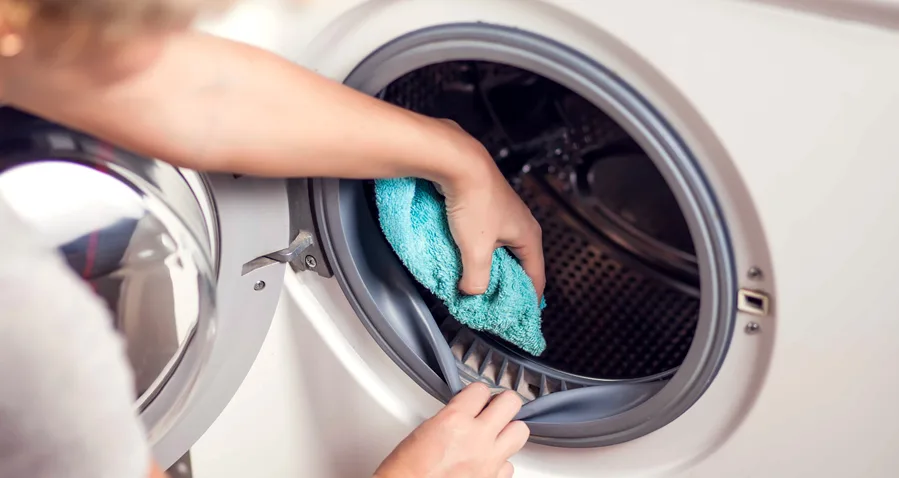
Mold can find its way into your home appliances, especially where moisture lingers. This unwelcome guest poses not only a cleanliness issue but also significant health risks, especially for those with allergies or respiratory conditions. From washers to fridges and dishwashers, learn how to keep mold at bay with these expert tips. Discover common mold culprits and effective fixes to ensure your appliances stay clean and safe.
KEY TAKEAWAYS
Where there’s moisture, there could be mold. Keep mold out of your washer, fridge and dishwasher with these tips.
Mold could be growing inside your appliances without your even knowing it. It can lurk in your washer, dishwasher or fridge — and that doesn’t mean artisanal bleu cheese. Simply put, mold grows where moisture lives, explains the Centers for Disease Control and Prevention (CDC), and since these appliances all work with water, they’re susceptible to mold growth.
What causes mold? Poor venting in appliances, leaks, clogged drains — and dare we say it? — user error.
Everyone knows mold is gross, but more than the yuck factor, it can do a number on your health, especially if you’re sensitive to it, according to the CDC. You can experience a variety of symptoms from exposure to mold, including a stuffy nose, coughing, throat irritation or skin irritation. If you have mold allergies, a chronic lung disease like asthma or a compromised immune system, you could experience even more severe reactions or an infection.
Health concerns aside, do you really want mold in the appliances you’re using to clean your clothes and dishes and store your food?
Fortunately, there are things you can do to help banish mold from your appliances. We’re breaking down the most common mold culprits and fixes, with help from Jeffrey McBride, an appliance expert at Sears Home Services. Remember to consult your owner’s manuals first for information on how to properly care for your specific appliances.
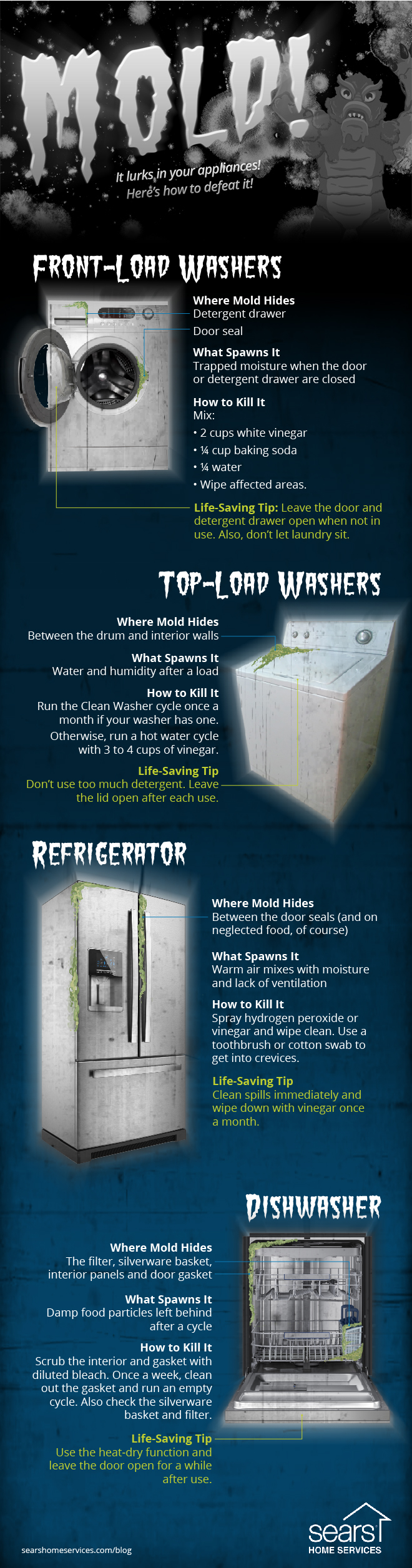
Mold thrives in environments that are damp and dark, making certain parts of your home appliances ideal breeding grounds. Door gaskets, detergent drawers, and pump filters are common spots where mold can flourish, largely due to their frequent exposure to moisture and lack of airflow. These areas, often overlooked during routine cleaning, provide the perfect conditions for mold to establish and grow unnoticed. To effectively combat and prevent mold, it's crucial to target these hidden spots with specific cleaning techniques designed to eliminate moisture and promote air circulation.
Front-load washers, known for their efficiency and sleek design, are not exempt from mold growth. The main cause is moisture trapped in the rubber gasket around the door, which provides the perfect environment for mold. The detergent drawer and drum can also accumulate moisture if not maintained.
Life-Saving Tip: Leave the door and detergent drawer open when not in use. Also, don’t let laundry sit.
Top-load washers, appreciated for their convenience, can also harbor mold if not properly maintained. The main culprit is moisture and humidity, exacerbated by leaving wet clothes or detergent residue inside the washer.
Preventive measures include promptly removing damp clothes after each cycle, leaving the washer lid open between uses to allow air circulation, and regular cleaning of the detergent dispenser, gasket, and other areas prone to moisture.
Life-Saving Tip: Don’t use too much detergent. Leave the lid open after each use.
Mold can also develop in refrigerators, particularly on and between the door gaskets, where a damp environment meets with little airflow. Spills inside the refrigerator can also lead to mold if left unattended. Regularly inspect and clean the fridge, paying attention to any spills or leaks, and promptly dispose of expired items to prevent mold.
Life-Saving Tip: Clean spills immediately and wipe down with vinegar once a month.
Dishwashers can also become a breeding ground for mold due to excessive moisture and leftover food particles. Regular cleaning of the appliance, including the filter, spray arms, and door gasket, is crucial.
Life-Saving Tip: Use the heat-dry function and leave the door open for a while after each use.
While these tips and tricks can significantly reduce the risk of mold in your home appliances, sometimes the challenge requires professional expertise. Sears Home Services offers comprehensive appliance maintenance services designed to identify the risks and help prevent mold growth, ensuring your appliances operate safely, efficiently, and hygienically.
Don't let mold compromise the health of your home or family.
Schedule an appliance maintenance service with Sears Home Services today, and take the first step towards a cleaner, safer home environment. Our experts are equipped with the knowledge and tools necessary to provide you with the peace of mind that comes from knowing your appliances are in good hands.
Schedule professional appliance maintenance service with Sears Home Services to ensure your appliances function at their best.
Regular kitchen appliance maintenance can help prevent costly breakdowns, reduce energy costs and extend the life of your appliances. We'll help you keep your refrigerator, dishwasher and range in top shape.
Loading scheduler options...
Want to cut your water bill and help the environment? Discover 4 practical tips to reduce water usage in your household appliances, including washing machines, dishwashers, and refrigerators.

Learn how and why mice can invade your house even though it’s clean. Find out how to prevent rodents from entering your clean and well-kept home.
Discover essential tips to extend the life of your appliances on Sears Home Services.

Get expert tips and tricks on how to clean stainless steel appliances from Sears Home Services. Keep your kitchen shining with our 2026 guide.
ENERGY STAR appliances are energy-efficient products that meet the strict energy efficiency specifications set by the U.S. Environmental Protection Agency or the U.S. Department of Energy. These appliances are designed to use less energy and water, leading to cost savings and a reduced environmental impact.
Wattage is the measure of electrical power expressed in watts (W), indicating the rate at which a device consumes energy.
Natural gas is a fossil fuel used primarily for heating, cooking, and electricity generation. It's a hydrocarbon gas mixture consisting mainly of methane, but it also contains smaller amounts of other hydrocarbons and sometimes sulfur compounds.
A washer screw is a fastening device that combines a screw and a washer, designed to distribute the load of a screwed fastening more evenly and to prevent the screw from loosening under vibration.
When your Payne central air conditioner won’t turn on or isn’t cooling, check for power problems, a failed capacitor, or a clogged condensate drain. This guide covers quick, safe troubleshooting steps and explains when to call Sears Home Services for expert central AC repair.
When your ICP central air conditioner won’t turn on or isn’t cooling, check for power problems, a failed capacitor, or a clogged condensate drain. This guide covers quick, safe troubleshooting steps and explains when to call Sears Home Services for expert central AC repair.
When your Heil central air conditioner won’t turn on or isn’t cooling, check for power problems, a failed capacitor, or a clogged condensate drain. This guide covers quick, safe troubleshooting steps and explains when to call Sears Home Services for expert central AC repair.
When your Carrier central air conditioner won’t turn on or isn’t cooling, check for power problems, a failed capacitor, or a clogged condensate drain. This guide covers quick, safe troubleshooting steps and explains when to call Sears Home Services for expert central AC repair.
When your Comfortmaker central air conditioner won’t turn on or isn’t cooling, check for power problems, a failed capacitor, or a clogged condensate drain. This guide covers quick, safe troubleshooting steps and explains when to call Sears Home Services for expert central AC repair.
When your Ruud central air conditioner won’t turn on or isn’t cooling, check for power problems, a failed capacitor, or a clogged condensate drain. This guide covers quick, safe troubleshooting steps and explains when to call Sears Home Services for expert central AC repair.