 Appointment Lookup
 213-596-2538
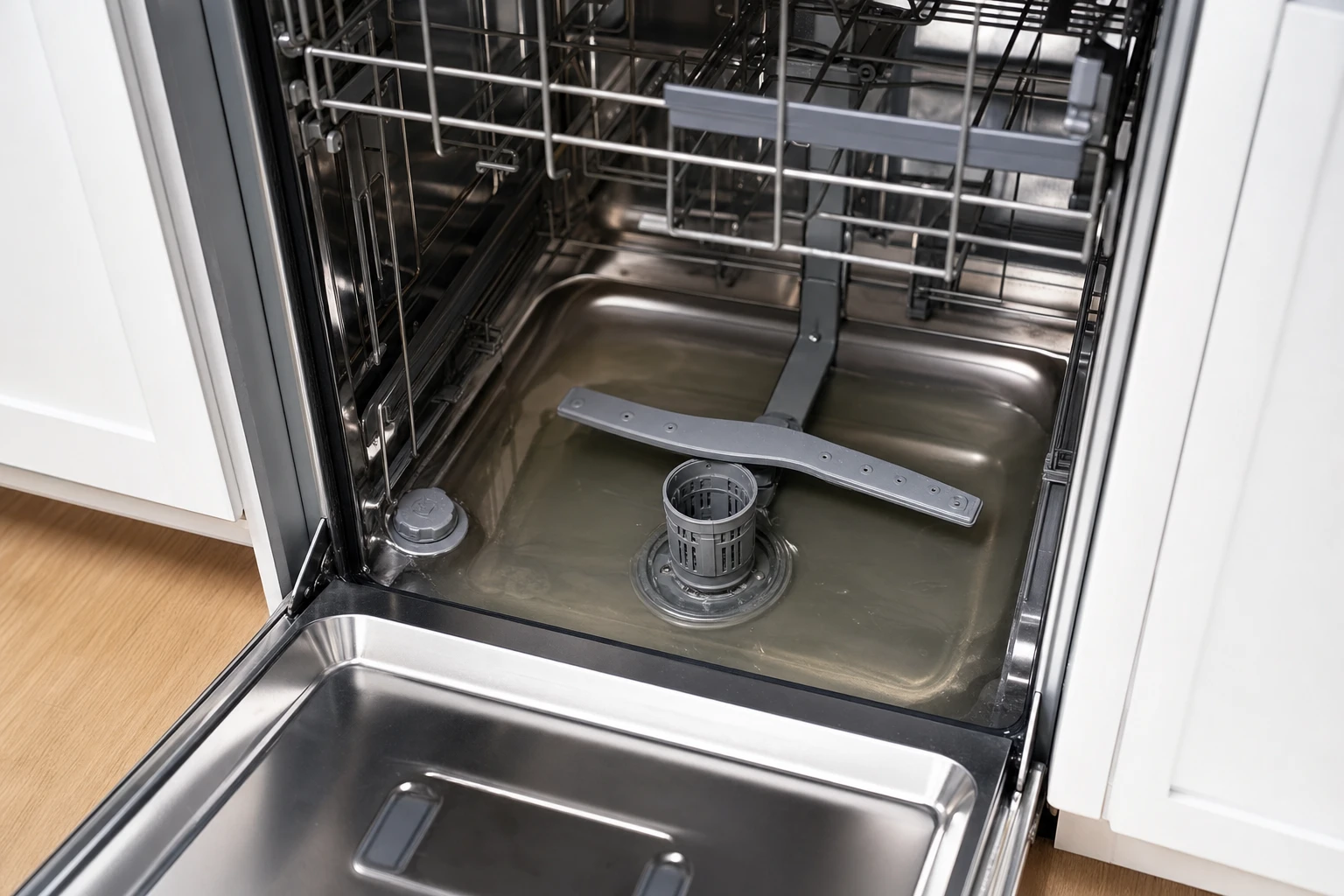
Learn how to drain a dishwasher with standing water in 6 easy steps. Fix clogs, clean the filter, and know when to call a pro for expert repair.
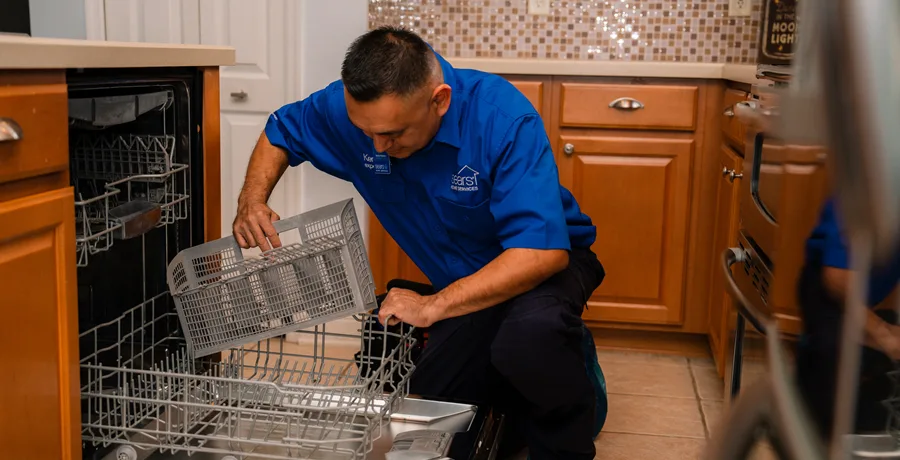
Are you struggling with a problematic dishwasher? It might be time to think about a replacement. We'll guide you through the unmistakable signs that show your dishwasher is ready for retirement.
KEY TAKEAWAYS
From aging equipment to routine performance issues, we've got it all covered. Furthermore, we'll delve into signs of inefficiency and subpar cleaning, as well as safety and energy efficiency issues that can crop up with older models. Stick with us for valuable information on when to invest in a new dishwasher.
If you've been using the same dishwasher for many years, it's crucial to spot signs that it may be aging and in need of replacement. Here are some vital signs to watch out for.
The lifespan of most dishwashers is roughly 10 to 12 years. If your dishwasher is nearing or has surpassed this age, it might be high time to start thinking about a new one.
Regularly check your dishwasher's exterior and interior for visible cracks, discoloration, or wear signs. The constant exposure to water and detergent can cause deterioration, leading to leaks or other issues over time.
Rust is a frequent issue with older dishwashers, particularly those with metal parts. Check for any signs of rust on the appliance's exterior or interior. Rust can affect the appearance of your dishwasher and hint at potential leaks or internal component damage.
If your dishwasher makes strange noises during operation, it could signify aging. Grinding, squeaking, or rattling sounds might indicate worn-out parts or loose connections that need attention.
By watching out for these signs, you can determine if your dishwasher is showing its age and needs replacement. Here at Sears Home Services, we offer a wide selection of high-quality dishwashers to suit your needs. Our skilled technicians are also ready to assist with installation and any other appliance services you may need. Reach out to us today to find the perfect dishwasher for your home.

If you notice any of the following problems with your dishwasher, it might be a sign that you need a new one:
If you find water at the bottom of your dishwasher after a wash cycle, it's a clear sign of a problem. This could be due to a blocked drain hose, a malfunctioning pump, or a faulty float switch. These issues can affect your dishwasher's performance and might necessitate a replacement.
If your dishwasher door doesn't latch or lock securely, it could cause leaks and inefficient cleaning. This might be due to a worn-out latch or hinge, misalignment, or a defective door switch. Investing in a new dishwasher can ensure a proper seal and prevent further damage to your kitchen floor or cabinets.
It can be frustrating when your dishwasher fails to heat water or dry dishes effectively. This issue might be due to a malfunctioning heating element, thermostat, or control board. Upgrading to a new dishwasher with advanced heating technology can enhance cleaning performance and energy efficiency.
Finding water leaks around your dishwasher is a serious concern, as it can cause water damage to your kitchen flooring and cabinets. Leaks could be due to loose connections, damaged hoses, or worn-out seals. It's advisable to replace your dishwasher to avoid more leaks and potential water damage.
If you are experiencing any of these common performance issues with your dishwasher, it's time to think about getting a new one. At Sears Home Services, we provide a wide range of high-quality, reliable, and efficient dishwashers, backed by our expert installation and repair services. Reach out to us today to explore your options and find the perfect dishwasher for your needs.

Is your dishwasher not performing as well as it used to? Here are some common signs of inefficiency and poor cleaning that might indicate you need a new dishwasher:
If your dishes still have spots or dirt on them after a cycle, it could be a sign that your dishwasher isn't cleaning properly. This could be due to a worn-out spray arm or blocked filters.
If you notice food particles sticking to your plates and utensils even after a cycle, it's a clear sign that your dishwasher isn't effectively removing debris. This could be due to a faulty pump or a worn-out food chopper.
Are your glasses looking cloudy or etched after a wash? This could be due to hard water mineral deposits accumulating in your dishwasher. Over time, these deposits can affect your dishwasher's performance and leave a cloudy film on your glassware.
If you find standing water in the bottom of your dishwasher after a cycle, it could be a sign of a drainage issue. This could be due to a blocked drain hose or a malfunctioning drain pump.
If you're experiencing any of these signs, it might be time to think about investing in a new dishwasher. At Sears Home Services, we offer a wide range of high-quality dishwashers to enhance your kitchen's efficiency. Our skilled technicians can help you find the perfect dishwasher and provide professional installation services to ensure it works optimally.

If you're wondering whether it's time to replace your dishwasher, there are a few key signs to look for. An outdated dishwasher can not only be less efficient, but it can also pose safety risks. Here are the top signs you need a new dishwasher:
Dishwashers that are more than a decade old may lack the energy-efficient features found in newer models. Look for the Energy Star certification when purchasing a new dishwasher to ensure it meets modern energy-saving standards.
Over time, wear and tear can lead to cracks or damage in your dishwasher's interior or exterior. These issues can result in water leaks, which not only waste water but can also cause damage to your kitchen cabinets or flooring.
The latch on your dishwasher door plays a crucial role in preventing leaks and ensuring proper operation. If the latch is broken or doesn't close securely, it's time to consider a replacement to maintain the security of your kitchen.
Dishwashers should operate quietly and smoothly. If you notice unusual noises, such as grinding, rattling, or banging sounds, it could indicate a malfunctioning component. Investing in a new dishwasher can save you from costly repairs down the line.
Remember, your dishwasher is an essential home appliance, and ensuring its safety and energy efficiency is important. If you're experiencing any of these signs, it may be time to start shopping for a new dishwasher that meets your needs and provides peace of mind.

Sears makes it easy for you to seamlessly replace your dishwasher. Visit our Sears.com Upgrade page to easily select a new model and get help with financing.
We’ve consolidated all help, financing offers and savings into one location on our Upgrade page to make it easy for you to replace your appliances now. No hassles and no waiting. Get your new dishwasher today.
With extensive experience, our technicians are skilled in repairing dishwashers of all makes and models, ensuring sparkling clean dishes with every cycle.
Loading scheduler options...
Learn how to drain a dishwasher with standing water in 6 easy steps. Fix clogs, clean the filter, and know when to call a pro for expert repair.
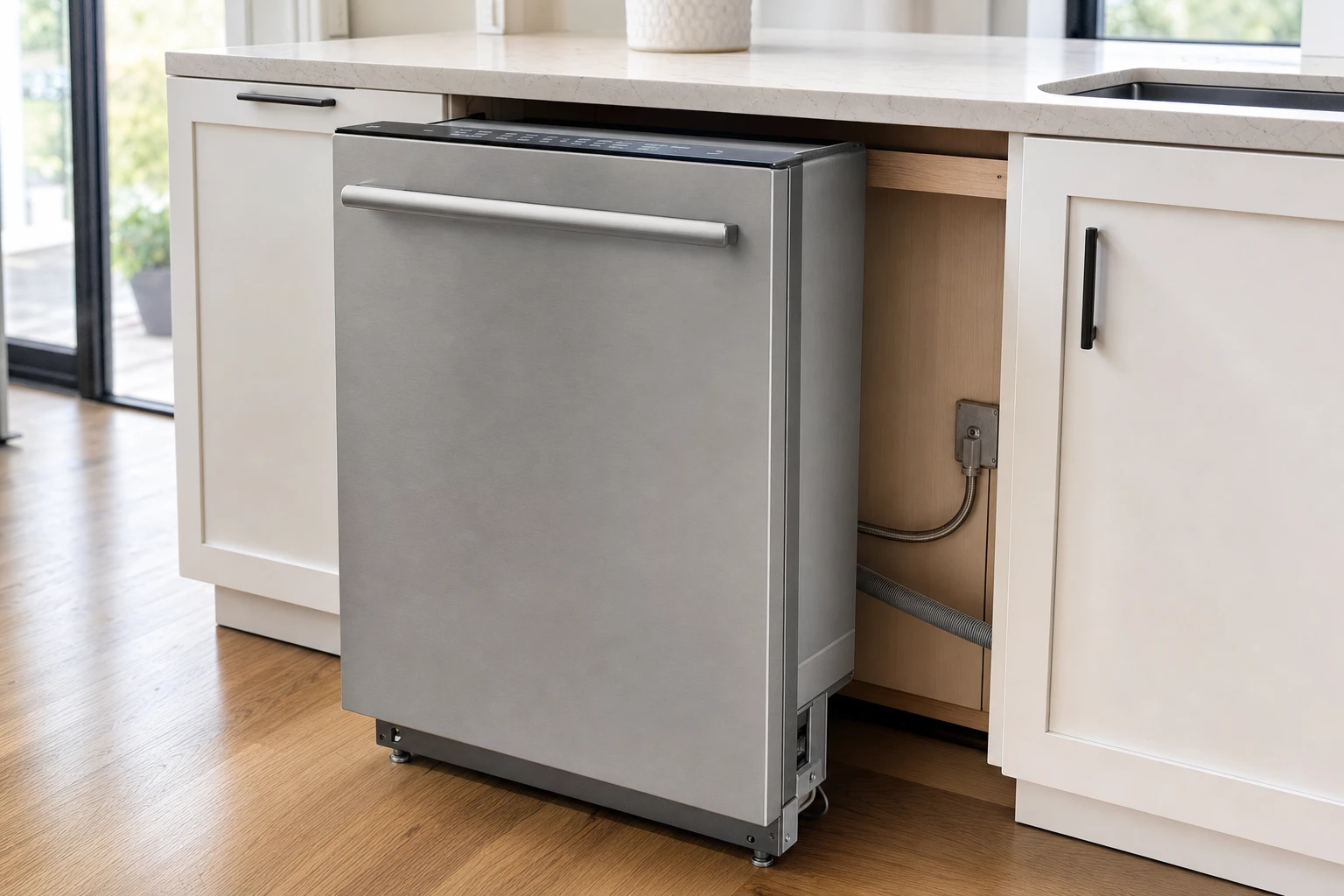
Learn how to replace a dishwasher safely in 2026. Step-by-step removal, hookup, and install tips—plus when to call a manufacturer-trained technician.

Find out why your dishwasher is stopping mid-cycle and how to fix common problems that cause this symptom.

Many common issues stem from simple dishwasher misuse. Get expert troubleshooting tips to fix the most frequent dishwasher problems.
A dishwasher basket is a removable container designed to securely hold small items like cutlery and utensils during the wash cycle, ensuring efficient cleaning without loss or damage.
A dishwasher end panel is a finishing piece installed on the exposed side of a dishwasher, primarily when it is at the end of kitchen cabinetry, to ensure a seamless and aesthetically pleasing look in the kitchen.
A dishwasher diverter motor controls the direction of water flow to different spray arms within the dishwasher, ensuring optimal water distribution during each wash cycle for thorough cleaning.
A dishwasher drawer is a compact, space-saving kitchen appliance designed to clean dishes efficiently, resembling a standard kitchen drawer that slides out for easy loading and unloading.
The most common reasons your Frigidaire dishwasher won't start a cycle are a defective electronic control board, damaged power supply board or a failed door switch.
The most common reasons your Amana dishwasher won't drain are a failed drain pump, faulty pump and motor assembly or a cracked drain hose.
The most common reasons your Bosch dishwasher has no heat are a defective electronic control board, clogged water valve or a broken detergent dispenser.
The most common reasons your Electrolux dishwasher is not heating are a defective electronic control board, faulty pump and motor assembly or a damaged user interface control.
The most common reasons your Kenmore dishwasher is not washing are a faulty pump and motor assembly, defective electronic control board or a clogged spray arm.
The most common reasons your Kenmore Elite dishwasher is not washing are a faulty pump and motor assembly, defective electronic control board or a clogged spray arm.