 Appointment Lookup
 213-596-2538
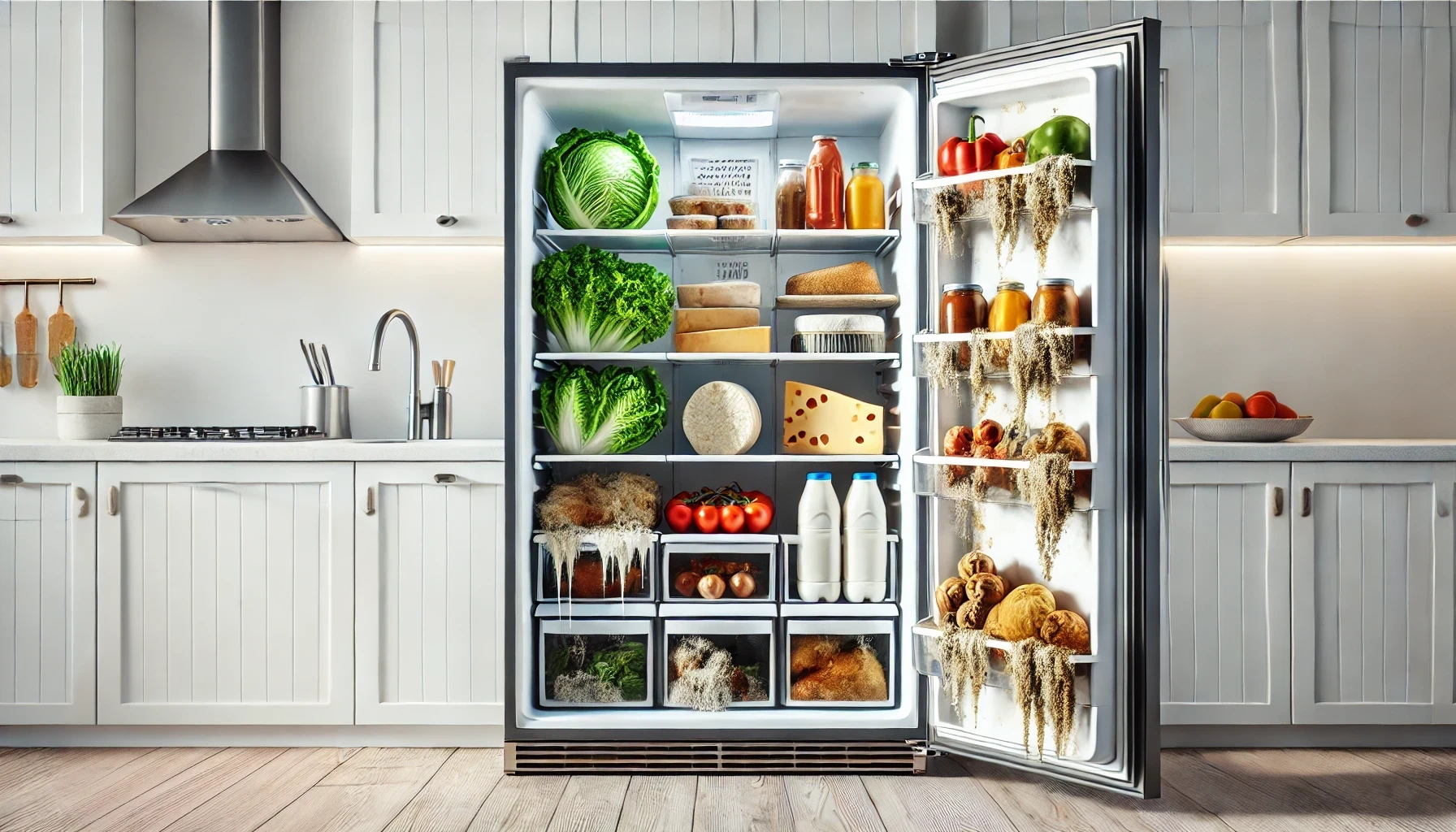
Discover the top 10 refrigerator and freezer hacks to keep your food safe, save energy, and extend appliance lifespan with easy, actionable tips!
Understand Why Proper Produce Storage is Important
1. Use Temperature and Humidity Control to Keep Produce Fresh
2. Choose the Right Storage Containers
3. Follow These Tips for Organizing Your Refrigerator to Maximize Storage Space
4. Understand Ethylene and Its Impact on Produce
5. Properly Utilize Refrigeration Techniques
6. Follow These Tips for Preventing Cross-Contamination and Odors in the Refrigerator
Frequently Asked Questions

Are you frustrated by your fruits and vegetables spoiling too quickly? Worry not; we have compiled 6 pro tips to keep produce fresh in your refrigerator. Whether you're an experienced cook or a kitchen novice, proper produce storage is key to maintaining both freshness and flavor. This article will guide you through temperature and humidity control, selecting the right storage containers, understanding the role of ethylene, and effectively using refrigeration techniques. Let's dive in and learn how to maximize your refrigerator's potential to keep your produce at its best!
KEY TAKEAWAYS
Proper produce storage is vital for preserving the freshness and quality of your fruits and vegetables. Improper storage can lead to quick spoilage, resulting in food waste and additional expenses. Fruits and vegetables continue to respire even after being harvested, and if exposed to unsuitable conditions like temperature fluctuations, excess moisture, or ethylene-producing fruits, they can spoil faster. If you notice cooling problems in your fridge, schedule refrigerator repair service immediately to correct the problem.
Storing your produce correctly can extend its lifespan, allowing you to enjoy it longer. Proper storage slows down the ripening process, preventing premature spoilage and helping maintain flavor, texture, and nutritional value.
Consuming fresh, well-stored produce offers numerous health benefits. Fruits and vegetables are rich in essential vitamins, minerals, and antioxidants that support overall well-being. Correct storage ensures that produce retains its nutrients, providing maximum nutritional benefits.
Understanding the importance of proper produce storage and implementing a few simple tips can help you minimize food waste, save money, and enjoy delicious, nutritious produce for longer.
Temperature and humidity control are crucial for keeping your produce fresh in the refrigerator. Here are some tips to help you maintain optimal storage conditions:

Choosing the right storage containers is essential for keeping your produce fresh in the refrigerator. Different types of produce require different types of containers to ensure optimal freshness and longevity. Here are some tips to help you make the best choice:
The Best Types of Containers for Different Types of Produce:
Before using any storage container, it's crucial to clean and sanitize it properly. Start by washing the container with hot, soapy water, then rinse it thoroughly. For an extra level of cleanliness, you can use a mixture of water and white vinegar to sanitize the container. Make sure to dry the container completely before storing any produce.
By following these tips, you can ensure your produce stays fresh and delicious for longer periods. Remember, choosing the right storage containers, cleaning them properly, and organizing your refrigerator are key steps towards maintaining the quality of your fruits and vegetables.
Understanding ethylene and its impact is crucial for keeping your produce fresh in the refrigerator. Ethylene is a natural gas produced by certain fruits and vegetables as they ripen. It plays a significant role in the ripening process and can also cause other produce to spoil faster.
So, which fruits and vegetables produce ethylene? Some common ethylene producers include apples, bananas, tomatoes, avocados, peaches, and pears. These fruits emit ethylene gas as they ripen, which can accelerate the ripening process of other nearby produce.
To identify ethylene-sensitive produce, look for fruits and vegetables that are prone to spoilage or have a shorter shelf life. Examples of ethylene-sensitive produce include leafy greens, berries, cucumbers, carrots, and broccoli. These items are more susceptible to the effects of ethylene and can spoil faster when exposed to it.
To prevent ethylene from causing your produce to spoil prematurely, it's important to separate ethylene producers from ethylene-sensitive produce. One strategy is to store ethylene producers in a separate drawer or compartment in your refrigerator. This helps contain the ethylene gas and minimizes its exposure to other produce. Another option is to use ethylene-absorbing products, such as specially designed produce bags or ethylene absorber packets, which can help prolong the freshness of your fruits and vegetables.
Refrigeration is not only a convenient way to keep your produce fresh, but it also slows down the ripening process, allowing you to enjoy your fruits and vegetables for longer. Understanding how to store different types of produce in the refrigerator and taking precautions to prevent cross-contamination and odors can further enhance the freshness and quality of your produce. Here are some pro tips to help you make the most out of your refrigerator
Refrigeration can significantly extend the shelf life of fruits and vegetables. The cool temperature in the refrigerator inhibits the production of the natural ripening agent called ethylene, which helps slow down the ripening process. By storing your produce in the refrigerator, you can enjoy fresh and crisp fruits and vegetables for days or even weeks.
It is essential to store different types of produce properly to maintain their freshness. Leafy greens, such as lettuce and spinach, should be washed, dried, and stored in a sealed container or plastic bag. Berries can be stored in their original packaging or transferred to a container lined with paper towels to absorb excess moisture. Root vegetables, like carrots and potatoes, should be stored in a cool, dark place, away from other produce.
To prevent cross-contamination, it is crucial to store raw meat, poultry, and seafood in sealed containers or on the bottom shelf to avoid any drips onto other produce. Additionally, using airtight containers or wrapping produce in plastic wrap or aluminum foil can help prevent odors from spreading throughout the refrigerator.
Here’s one final tip. Keep your fridge in top shape with professional maintenance. This will help preserve fruits and vegetables throughout the year. Schedule annual refrigerator preventive maintenance and cleaning. We’ll send a Sears Home Service technician to your home to check, clean and maintain your fridge to keep it running smoothly and efficiently.
Extend the lifespan of your refrigerator and prevent unexpected and costly breakdowns with our routine maintenance service.
Loading scheduler options...
Discover the top 10 refrigerator and freezer hacks to keep your food safe, save energy, and extend appliance lifespan with easy, actionable tips!

Discover 10 surprising and easy solutions to eliminate gnats from your home for good—#6 will completely change the game!
Stay informed about food safety with our comprehensive food storage guidelines, covering everything from dairy to meat to vegetables.

Ensure your refrigerator's efficiency with regular maintenance. Learn 3 key reasons why it's important and get expert tips from Sears Home Services.
A compressor is a mechanical device that increases the pressure of a gas by reducing its volume, essential in various systems including refrigerators, air conditioners, and HVAC units for cooling and refrigeration processes.
A condenser is a component of HVAC and refrigeration systems, responsible for releasing absorbed heat from the refrigerant into the outside air or a water line, thus facilitating the cooling process.
A dual ice maker is a feature in some refrigerators that includes two separate ice makers: one in the fridge compartment and another in the freezer section. This setup doubles the appliance's ice-making capacity.
A French-door refrigerator features two doors that open side-by-side on the top section for the refrigerator compartment, with a bottom freezer drawer, combining style, efficiency, and easy access to both refrigerated and frozen goods.
The most common reasons your LG refrigerator icemaker reset button is not working are a faulty icemaker, a malfunctioning PCB, or a defective water valve.
The most common reasons your Samsung refrigerator is leaking water are a clogged defrost drain, cracked dispenser water tubing or a damaged evaporator.
The most common reasons your Kenmore Elite refrigerator stopped working are a locked compressor, damaged evaporator or a defective electronic control board.
The most common reasons your Maytag refrigerator stopped working are a locked compressor, damaged evaporator or a defective electronic control board.
The most common reasons your Kenmore refrigerator is noisy are a faulty ice maker assembly, defective electronic control board or a locked compressor.
The most common reasons your Kenmore refrigerator fan is not working are a defective electronic control board, damaged evaporator or a locked compressor.