 Appointment Lookup
 213-596-2538

Discover the top 11 reasons why your refrigerator is not cooling. Get expert tips and solutions from Sears Home Services.
Why is the temperature control setting on my refrigerator wrong?
What should I do if my refrigerator condenser coils are full of dust?
How do I know if my refrigerator’s gaskets need to be replaced?
Could my refrigerator be overloaded?
Does it matter where my refrigerator is located?
What should I do if the refrigerator fan motor isn’t working?
How will I know if the evaporator fan motor is broken?
Is it possible that my refrigerator’s start relay is faulty?
Why is my refrigerator warm, but my freezer is cool?
When to call a professional to fix a fridge that doesn’t cool
Frequently Asked Questions
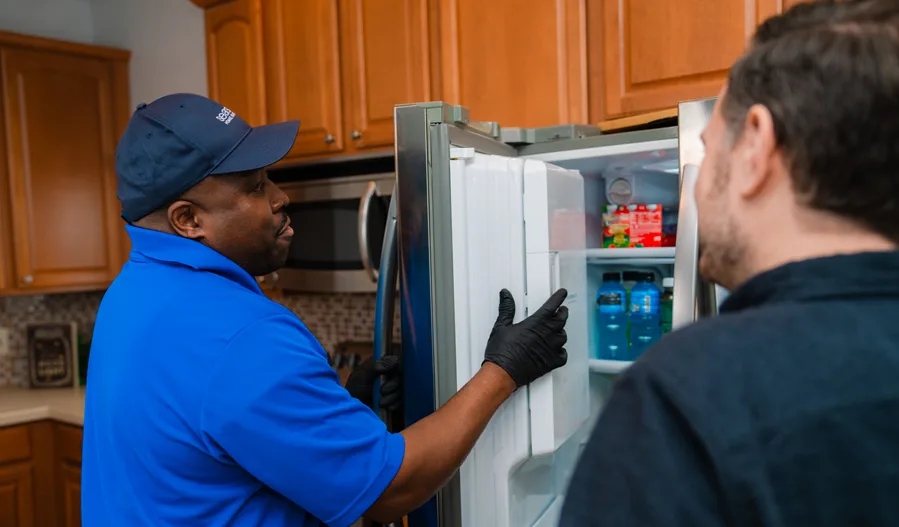
When your refrigerator fails to keep things cool, it’s more than just an inconvenience—it’s a race against time to salvage your perishables. In this comprehensive guide, we delve into the common reasons why your fridge might be losing its chill, offering expert insights from Sears Home Services to help you diagnose and resolve these cooling conundrums. Whether it’s a simple adjustment or a call for professional help, we’ve got you covered to keep your fridge running smoothly.
KEY TAKEAWAYS
Are your leftovers lukewarm? Did your milk go from fresh to foul in a matter of hours? You may want to check the temperature in your fridge. Chances are it isn’t cooling as it should. But why is it suddenly on the fritz?
To get to the bottom of the issue, Sears Home Services refrigeration experts shared their answers to the most common reasons your fridge might stop cooling properly. While some of the issues have relatively simple fixes, some of these refrigerator problems will need a service call.
These answers will help you figure out why your fridge isn’t cooling, first start with the easy tasks you can do yourself. If these simple adjustments don’t fix the problem, it’s time to call in the pros.
Uh-oh, did something bump into your temperature control panel? Before you do anything else, check this first. As one of the most common snafus, it’s almost like asking “Is it plugged in?” Move the control thermostat to a cool setting, and that should do the trick. You may need to wait a few hours for the temperature to return to normal after adjusting the temperature settings.
If you’ve been neglecting your condenser coils, you’ll want to clean them ASAP. When the coils have a buildup of dust on them, the coils won’t be able to remove the heat from the refrigerant flowing through it properly. Thankfully, fixing this problem is as easy as dusting. Locate your appliance’s condenser coils — they’re typically in the back or on the bottom of the fridge — and use a brush to get rid of dust. They even make a special brush just for this purpose. To help keep your fridge running smoothly, our pros recommend you clean the coils a couple of times a year. Here’s a video that shows how to clean the condenser coils.
Over time, the seals around the refrigerator doors, known as gaskets, suffer from wear and tear. When this happens, they don’t seal as well as they should, so the cool air inside gets mixed with warm air entering through the unsealed door. Check to see if your door gaskets have any cracks or tears or are loose. If so, the gaskets will need to be replaced.
When’s the last time you cleaned out all those leftovers? If you can’t remember, it’s time to do a purge and toss anything that’s looking a bit suspect. Overloaded fridges can’t circulate cold air properly, and there’s also a possibility that items in your fridge could be blocking the airflow from the vent.
The room environment where the refrigerator is placed can affect its thermometer. If the space is too cold, like a second fridge in the garage, it might shut off because the appliance thinks it’s already up to temp. If the room is too hot, it could run constantly.
This is where we get into some of the more serious issues. The condenser fan motor turns the fan blade for cool air circulation, and if neither your fridge nor freezer is cooling properly, it’s possible the fan motor is malfunctioning. You’ll want a technician to come out to fix this.
If your fridge isn’t cooling properly, a faulty evaporator fan could be the reason. Sometimes a squealing or trilling noise is a clue that the evaporator fan is failing, especially if the noise is louder when you open the freezer door.
A failed compressor start relay causes problems with your fridge’s compressor, aka the part that circulates the refrigerant through the system. Remove the relay and test to make sure the connection isn’t fried by shaking it. If you hear a rattle, it’s time to replace it.
If your freezer compartment is cold but the refrigerator temperature seems warmer than usual, make sure none of the food containers in the fridge are blocking airflow at the vents; the owner’s manual usually shows where the air vents are located. It’s possible the air damper that allows air through the vent is stuck closed; you may need a technician to check this. Your refrigerator might seem warmer than usual for a day if you’ve just added a lot of food—wait 24 hours after adding a lot of food to see if the refrigerator cools properly.
While there are some problems you can try tackling yourself, if the compressor or other components of the sealed system such as the condenser or evaporator coils are the issue, you’ll need to hire a certified repair technician to repair your refrigerator. A service technician can easily identify other problems such as a defrost heater, defrost timer, thermistor and electronic control boards malfunctions.
Sears Home Services is a nationwide leader in refrigerator repair with over 1,500 local appliance service technicians available across the US. Our technicians are highly trained and highly skilled in appliance repair service.
Our technicians have completed over a million refrigerator repairs in the past year. We’re your best, most-trusted choice for fridge repair, no matter what brand or where you bought it, so schedule an appointment today.
Backed by years of experience, our technicians possess the skills necessary to fix your refrigerator. And because our techs our local, they can fix it for you fast.
Loading scheduler options...
Discover the top 11 reasons why your refrigerator is not cooling. Get expert tips and solutions from Sears Home Services.
Discover the most common problems with Samsung refrigerators, including cooling issues, total cooling failure, and ice maker malfunctions. Learn how to troubleshoot these issues and find reliable repair solutions with Sears Home Services.
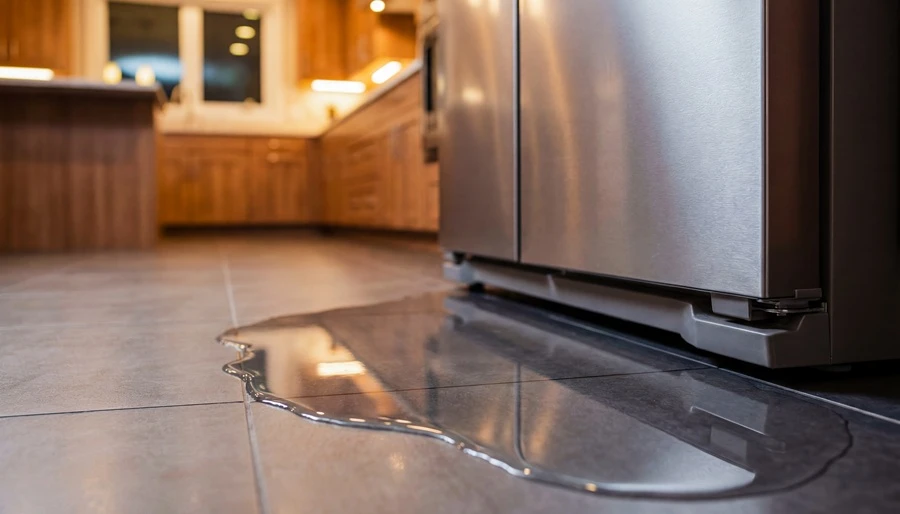
A leaking refrigerator is more than a household inconvenience—it can pose serious safety and health risks. This guide explains why refrigerators leak, the dangers involved, and the essential steps homeowners should take to protect their home, family, and appliance.

When your refrigerator starts making strange noises, distinguishing between normal sounds and potential problems becomes essential.
A compressor is a mechanical device that increases the pressure of a gas by reducing its volume, essential in various systems including refrigerators, air conditioners, and HVAC units for cooling and refrigeration processes.
A condenser is a component of HVAC and refrigeration systems, responsible for releasing absorbed heat from the refrigerant into the outside air or a water line, thus facilitating the cooling process.
A dual ice maker is a feature in some refrigerators that includes two separate ice makers: one in the fridge compartment and another in the freezer section. This setup doubles the appliance's ice-making capacity.
A French-door refrigerator features two doors that open side-by-side on the top section for the refrigerator compartment, with a bottom freezer drawer, combining style, efficiency, and easy access to both refrigerated and frozen goods.
The most common reasons your LG refrigerator icemaker reset button is not working are a faulty icemaker, a malfunctioning PCB, or a defective water valve.
The most common reasons your Samsung refrigerator is leaking water are a clogged defrost drain, cracked dispenser water tubing or a damaged evaporator.
The most common reasons your Kenmore Elite refrigerator stopped working are a locked compressor, damaged evaporator or a defective electronic control board.
The most common reasons your Maytag refrigerator stopped working are a locked compressor, damaged evaporator or a defective electronic control board.
The most common reasons your Kenmore refrigerator is noisy are a faulty ice maker assembly, defective electronic control board or a locked compressor.
The most common reasons your Kenmore refrigerator fan is not working are a defective electronic control board, damaged evaporator or a locked compressor.