 Appointment Lookup
 419-558-4893

Choosing a home warranty doesn’t have to be overwhelming. This complete 2026 guide walks you through coverage options, costs, providers, and key questions to help you make a confident decision.
Understanding Original Manufacturer Appliance Warranties on New Appliances
Extended Appliance Warranties and Protection Plans
Benefits of Extending Appliance Warranties
How to Extend Your Appliance Protection with a Whole Home Warranty
Making the Most of Your Extended Appliance Warranty
Frequently Asked Questions
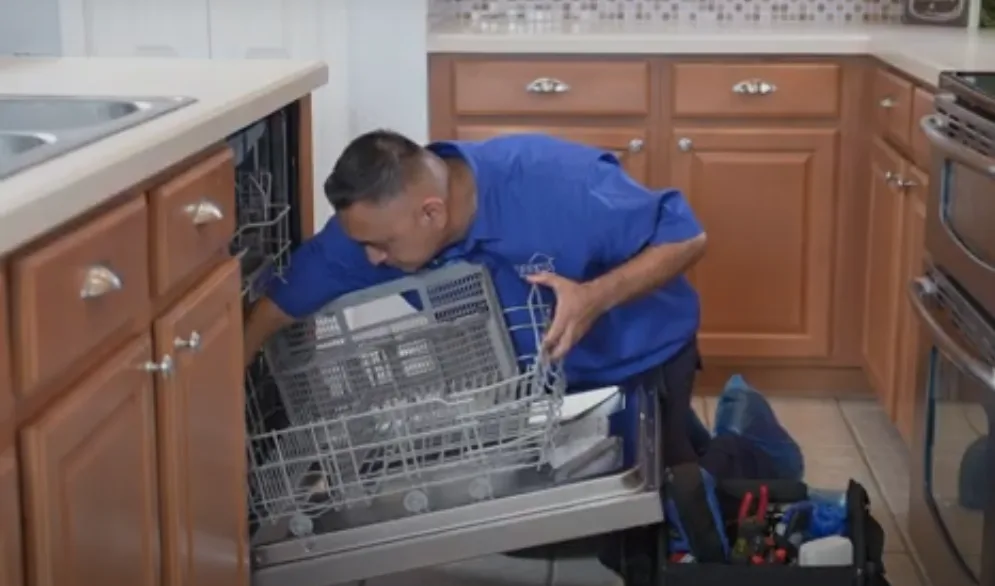
Welcome to Sears Home Services, your trusted source for all your appliance warranty needs. In this guide, we’ll walk you through the process of extending your home appliance warranties, helping you understand benefits of protection plans, and providing tips to maximize your coverage. Extending your appliance warranties can offer peace of mind and protect your valuable investments. Read on to discover more about appliance warranties, the advantages of extending them, the steps to do so, and how to get the most out of your extended coverage.
KEY TAKEAWAYS
An original appliance warranty is a contract between the manufacturer and the customer that ensures protection and coverage for repairs or replacements of the appliance within a specified period. Many appliance warranties last 1 year for parts and labor to repair any defects in workmanship or component failures. Some durable parts of appliances are covered for longer such as a compressor on a refrigerator (often 5 years), but you may need to pay for labor to have the part replaced after the 1st year that you have the fridge.
Original manufacturer warranties are free and cover almost all unexpected breakdowns of brand new home appliances. They provide peace of mind and financial protection for a year or the specified term of the manufacturer warranty as designated in the owner’s manual of the appliance. If the appliance malfunctions during the warranty period, the manufacturer sends a service provider to your home free of charge to fix any problem covered by the terms of the warranty. When your appliance is covered by the manufacturer warranty, you can typically avoid the paying for any appliance repairs out of your own pocket.
There are different types of extended appliance warranties and protection plans available for appliances. Depending on the manufacturer, where you bought the product and the appliance itself, you can often extend the original manufacturer warranty or get a similar plan that continues to cover the product for defects and failures. The most common types of extended warranties and protection plans include:
The duration of standard appliance warranties varies depending on the manufacturer and the type of appliance. Typically, standard warranties last between one to five years. It's crucial to check the warranty terms and conditions provided by the manufacturer to know the exact duration for your specific appliance and renewal terms.
Extending your appliance warranty can offer numerous benefits, making it a worthwhile consideration. Here are some compelling reasons to extend your appliance warranty.
Extending your appliance warranty can provide significant cost-saving advantages in the long run. Appliances can be unpredictable, and repairs or maintenance might be needed at any time. With an extended warranty, you can avoid hefty repair costs that may arise due to unexpected breakdowns or malfunctions. Instead of paying for expensive repairs out of pocket, your extended warranty can cover the costs, saving you money.
By easily handling appliance repairs right away using dependable service providers under your protection plan, your appliances will typically last longer. Many plans also provide preventive maintenance for appliances which also helps extend the products longevity. When you do need to replace the appliance, most protection plans and home warranties cover the replacement cost. This can give you peace of mind, knowing that your appliances are covered for repair and replacement so you’ll avoid these large, unexpected expenses.

Extending your appliance protection with a whole home warranty is a smart way to protect your investments and ensure peace of mind. By following a few simple steps, you can easily extend the warranty on your appliances with a plan that helps you avoid unexpected repair costs.
Here are the steps to extend your appliance protection with a whole home warranty:
By following these steps, you can easily extend your appliance warranty protection and enjoy added security for your valuable appliances. Remember, a comprehensive warranty can save you money on all unexpected repairs and replacements, giving you peace of mind and helping you manage your home more easily.
When you invest in an extended appliance warranty, it’s important to understand how to maximize its coverage and benefits. By following proper maintenance practices, knowing what to do when your appliance breaks down, and understanding how to file claims, you can make the most of your extended warranty.
Proper maintenance is key to keeping your appliances in good working condition and maximizing your warranty coverage. Regularly cleaning and inspecting your appliances can help identify potential issues before they become major problems. Follow the manufacturer’s recommended maintenance guidelines, such as cleaning filters, checking seals, and lubricating moving parts. By taking care of your appliances, you can prevent breakdowns and ensure your warranty remains valid. Take advantage of maintenance benefits provided by your extended warranty plan or whole home warranty to keep your appliances in top shape.
Even with proper maintenance, appliance breakdowns can still occur. When this happens, it’s important to know what steps to take. Start by checking if the appliance is still under the manufacturer's warranty. If not, consult your extended warranty documents for guidance on how to proceed. Contact the warranty provider or visit their website to initiate a claim. They will guide you through the process of getting your appliance repaired or replaced.
When filing a claim, be prepared with all the necessary information, including your warranty details, appliance model and serial numbers, and a detailed description of the issue. Follow the instructions provided by your warranty provider and provide any required documentation, such as proof of purchase or maintenance records. By being organized and thorough, you can streamline the claims process and ensure a smooth resolution.
Remember, your extended appliance warranty is designed to give you peace of mind and protect your investment. By properly maintaining your appliances, understanding what to do in case of a breakdown, and following the proper procedures for filing claims, you can make the most of your extended warranty and enjoy hassle-free appliance ownership.
Choosing a home warranty doesn’t have to be overwhelming. This complete 2026 guide walks you through coverage options, costs, providers, and key questions to help you make a confident decision.

Home warranties and homeowners insurance protect your home in different ways. This guide explains what each covers, how they differ in cost and claims, and when you may need one, the other, or both.

Discover the benefits of a home warranty. Find out why you need one to safeguard your home and its appliances.

Learn how a home warranty works and whether it’s right for you.
ENERGY STAR appliances are energy-efficient products that meet the strict energy efficiency specifications set by the U.S. Environmental Protection Agency or the U.S. Department of Energy. These appliances are designed to use less energy and water, leading to cost savings and a reduced environmental impact.
Wattage is the measure of electrical power expressed in watts (W), indicating the rate at which a device consumes energy.
Natural gas is a fossil fuel used primarily for heating, cooking, and electricity generation. It's a hydrocarbon gas mixture consisting mainly of methane, but it also contains smaller amounts of other hydrocarbons and sometimes sulfur compounds.
A washer screw is a fastening device that combines a screw and a washer, designed to distribute the load of a screwed fastening more evenly and to prevent the screw from loosening under vibration.
When your Payne central air conditioner won’t turn on or isn’t cooling, check for power problems, a failed capacitor, or a clogged condensate drain. This guide covers quick, safe troubleshooting steps and explains when to call Sears Home Services for expert central AC repair.
When your ICP central air conditioner won’t turn on or isn’t cooling, check for power problems, a failed capacitor, or a clogged condensate drain. This guide covers quick, safe troubleshooting steps and explains when to call Sears Home Services for expert central AC repair.
When your Heil central air conditioner won’t turn on or isn’t cooling, check for power problems, a failed capacitor, or a clogged condensate drain. This guide covers quick, safe troubleshooting steps and explains when to call Sears Home Services for expert central AC repair.
When your Carrier central air conditioner won’t turn on or isn’t cooling, check for power problems, a failed capacitor, or a clogged condensate drain. This guide covers quick, safe troubleshooting steps and explains when to call Sears Home Services for expert central AC repair.
When your Comfortmaker central air conditioner won’t turn on or isn’t cooling, check for power problems, a failed capacitor, or a clogged condensate drain. This guide covers quick, safe troubleshooting steps and explains when to call Sears Home Services for expert central AC repair.
When your Ruud central air conditioner won’t turn on or isn’t cooling, check for power problems, a failed capacitor, or a clogged condensate drain. This guide covers quick, safe troubleshooting steps and explains when to call Sears Home Services for expert central AC repair.