 Appointment Lookup
 419-558-4893

Home warranties and homeowners insurance protect your home in different ways. This guide explains what each covers, how they differ in cost and claims, and when you may need one, the other, or both.

Homeownership comes with its share of surprises—a broken HVAC system in the middle of summer, a failed dishwasher, or a plumbing issue that needs urgent attention. These scenarios are exactly why many homeowners consider a home warranty. But are home warranties actually worth it? And how do you choose the best one?
In this comprehensive guide, you'll learn exactly how to choose a home warranty that fits your needs and budget. We'll walk through a proven six-factor decision framework and arm you with everything needed to make a confident choice. Whether you're a new homeowner or a seasoned buyer, this guide is designed to offer clarity and peace of mind.
KEY TAKEAWAYS
A home warranty is a service contract designed to help homeowners manage the costs of repairing or replacing vital household systems and home appliances that break down due to normal wear and tear.
It's important to distinguish a home warranty from home insurance. While homeowners insurance covers sudden and accidental damage caused by events like fires, storms, or theft, home warranty companies provide coverage focused specifically on the functional failure of everyday items inside the home—such as a failed water heater or a malfunctioning air conditioning system.
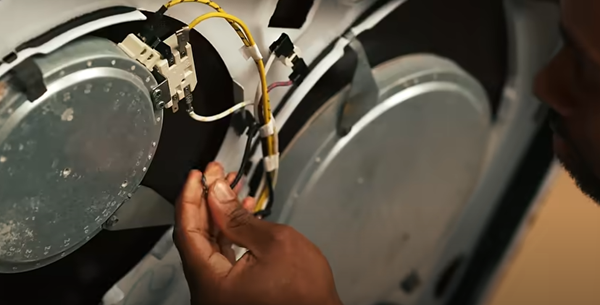
When something covered under your home warranty plan breaks down:
Each time you file a claim, you pay a service call fee out of pocket, also known as a deductible, which typically ranges between $100 and $150.
This process helps homeowners avoid paying the full cost of unexpected breakdowns, which can be hundreds or even thousands of dollars.
Home warranty cover generally falls into three categories:
Understanding the specific inclusions and exclusions of a home warranty plan is crucial. Many plans have a waiting period, limitations on coverage amounts, pre-existing condition clauses, and specific service limitations.
Carefully reading a sample contract (including any fine print) before you enroll will ensure there are no surprises when you need to make a claim.

The first step is identifying what you need covered. Are your appliances older? Do you want coverage for high-end systems? Look for a home warranty plan that includes:
You'll need to evaluate:
Calculate the potential ROI based on your home's age and repair history compared to the total home warranty cost.
Research major home warranty companies’ standings:
Checking home warranty providers’ online reputation will help you select the right plan for your home.
A home warranty is only as good as the service provider network behind it. Ask:
Key questions to review:
Always read the fine print. Some contracts require maintenance records or deny coverage based on age or wear.
Is the home warranty worth it for your specific case? Consider:
New home buyers often don’t need a home warranty plan when major appliances and home systems are still covered by the manufacturer’s warranty.
Before choosing a provider, do your homework.
Look for a home warranty company that simply spells out what they cover as Sears Protect does in this video:
While home warranties can provide peace of mind and financial protection, they are not without their downsides. Being aware of the potential drawbacks can help homeowners make a more informed decision before purchasing a policy.
Most home warranty contracts include coverage limits, exclusions, and restrictions that may reduce the effectiveness of the protection. For example, many providers do not cover pre-existing conditions or may only do so under very specific circumstances. Additionally, coverage often excludes items that have not been properly maintained or those with damage due to installation errors. Each plan will include a section in the fine print outlining what is and isn't included. Review this carefully to avoid surprises when filing a claim.
Although a home warranty can help control repair costs, homeowners should consider the out-of-pocket expenses involved. These include the annual premium and the service fee or deductible. If multiple systems or appliances fail in a short time, these fees can add up quickly. Moreover, if your claims are frequently denied due to exclusions or conditions in the fine print, you may not realize the cost savings you expected.
Another common drawback involves the quality of service. Because home warranty providers work with third-party contractors, the repair standards, professionalism, and availability can vary widely. Some homeowners report long response times, substandard repairs, or difficulty getting repeat issues resolved. It’s essential to research each provider’s customer service reputation and contractor network before committing to a plan.
Understanding these limitations will help you decide whether a home warranty aligns with your expectations and needs.
Home warranties can offer value and convenience, but they're not the perfect fit for everyone. Understanding your household, lifestyle, and financial position will help determine whether a home warranty is right for you.
A home warranty may be especially beneficial for home buyers purchasing a new home, particularly if the house has aging appliances or systems with uncertain histories. First-time homeowners who may not be familiar with maintenance responsibilities or who prefer predictable repair costs also benefit. Budget-conscious households that want to avoid unexpected financial hits may find the structured costs of a home warranty reassuring.
If your home is filled with new appliances still protected by a manufacturer's warranty, a home warranty may result in duplicate coverage. Homeowners who maintain a substantial savings account earmarked for emergency repairs, or those who possess the time and skillset for DIY troubleshooting and maintenance, may prefer to manage repairs independently. In such cases, a warranty could offer minimal return on investment.
For those opting out, alternatives include setting aside funds in a dedicated savings account to self-insure against repair costs. Some retailers also offer extended warranties on individual appliances, which may provide targeted coverage without committing to a full home warranty plan.
For home buyers, talk to your real estate agent about having the seller cover home repairs of major systems and home appliances. Getting free home services to cover electrical systems, plumbing and breakdowns of items such as garage door openers and a built-in microwave can make your home buying experience much easier. Also, try to get a basic plan that covers the garbage disposal and ice maker. Replacement costs for these and other appliances can be hard to swallow after you just purchased a home.
Understanding all your options helps you make a choice that fits your long-term financial goals and risk tolerance.
Now that you're equipped with a complete understanding of how home warranties work, what a plan covers—and how to evaluate whether one is right for your needs—you’re ready to make a confident, informed decision.
Start by assessing your household's unique circumstances: the age of your home, the condition of your appliances and systems, and your risk tolerance when it comes to unexpected repair costs. Use the six-factor framework outlined in this guide to compare providers side-by-side. Don’t hesitate to ask tough questions, read the fine print, and prioritize companies with a clear, customer-friendly reputation.
Whether you ultimately choose to invest in a full-service plan or explore alternatives like a savings fund or targeted coverage, the goal is the same: protect your home, your budget, and your peace of mind.
Ready to get a home warranty for your home? Get a free quote for a Sears Protect plan now.
Home warranties and homeowners insurance protect your home in different ways. This guide explains what each covers, how they differ in cost and claims, and when you may need one, the other, or both.

Learn how to extend appliance warranties with Sears Home Services.

Discover the benefits of a home warranty. Find out why you need one to safeguard your home and its appliances.

Learn how a home warranty works and whether it’s right for you.
ENERGY STAR appliances are energy-efficient products that meet the strict energy efficiency specifications set by the U.S. Environmental Protection Agency or the U.S. Department of Energy. These appliances are designed to use less energy and water, leading to cost savings and a reduced environmental impact.
Wattage is the measure of electrical power expressed in watts (W), indicating the rate at which a device consumes energy.
Natural gas is a fossil fuel used primarily for heating, cooking, and electricity generation. It's a hydrocarbon gas mixture consisting mainly of methane, but it also contains smaller amounts of other hydrocarbons and sometimes sulfur compounds.
A washer screw is a fastening device that combines a screw and a washer, designed to distribute the load of a screwed fastening more evenly and to prevent the screw from loosening under vibration.
When your Payne central air conditioner won’t turn on or isn’t cooling, check for power problems, a failed capacitor, or a clogged condensate drain. This guide covers quick, safe troubleshooting steps and explains when to call Sears Home Services for expert central AC repair.
When your ICP central air conditioner won’t turn on or isn’t cooling, check for power problems, a failed capacitor, or a clogged condensate drain. This guide covers quick, safe troubleshooting steps and explains when to call Sears Home Services for expert central AC repair.
When your Heil central air conditioner won’t turn on or isn’t cooling, check for power problems, a failed capacitor, or a clogged condensate drain. This guide covers quick, safe troubleshooting steps and explains when to call Sears Home Services for expert central AC repair.
When your Carrier central air conditioner won’t turn on or isn’t cooling, check for power problems, a failed capacitor, or a clogged condensate drain. This guide covers quick, safe troubleshooting steps and explains when to call Sears Home Services for expert central AC repair.
When your Comfortmaker central air conditioner won’t turn on or isn’t cooling, check for power problems, a failed capacitor, or a clogged condensate drain. This guide covers quick, safe troubleshooting steps and explains when to call Sears Home Services for expert central AC repair.
When your Ruud central air conditioner won’t turn on or isn’t cooling, check for power problems, a failed capacitor, or a clogged condensate drain. This guide covers quick, safe troubleshooting steps and explains when to call Sears Home Services for expert central AC repair.