 Appointment Lookup
 213-596-2538

Want to cut your water bill and help the environment? Discover 4 practical tips to reduce water usage in your household appliances, including washing machines, dishwashers, and refrigerators.

Stainless steel continues to be the go-to look for kitchen appliances in 2026. Keeping these appliances looking their best can be challenging because they easily attract smudges, fingerprints and stains.
In this article, we will provide you with expert guidance on how to clean stainless steel appliances effectively. Using our expert recommendations, you’ll be able to keep your appliances looking shiny and streak-free with minimum effort.
KEY TAKEAWAYS
Stainless steel is an alloy composed of iron, chromium, and other elements that make it resistant to corrosion. Although it doesn’t corrode, keeping it looking its best requires some unique cleaning methods.
Revealing the full luster and elegance of stainless steel begins with thorough cleaning. Here are our best tips for perfectly cleaning stainless steel appliances to prepare them for polishing.

First and foremost, understand that stainless steel, just like wood, has a particular grain. If you look closely at your appliance, you will see the direction in which the steel flows—typically side-to-side on most surfaces.
Make sure you always wipe (and later polish) your stainless appliance surfaces in the same direction of its grain.
Cleaning residue and dirt will be pushed farther into the grooves of the stainless steel if you wipe against the grain, often causing your appliance to look even more dirty and dull.
Despite its durability, stainless steel is prone to scratches if you don’t clean it properly. The key to preserving its shine lies in using the right cleaning products and techniques.
Follow these expert tips to clean dust, dirt, stains, debris and fingerprints from stainless steel appliance surfaces:
After following these expert cleaning tips, you’re ready to polish and preserve the stainless steel appliance surfaces.
Cleaning stainless steel surfaces with soapy water or vinegar typically won’t completely eliminate all smudges and marks or restore a shiny finish.
To return the stainless steel to its original luster, clean and polish the stainless appliance surfaces with stainless steel cleaner.
View this video to see details of how to use stainless steel cleaner to polish your stainless appliances:
Apply a small amount of the cleaner to a clean cotton cloth and wipe the cleaner across the stainless surfaces, working with the grain. Then, polish with a dry, lint-free cloth, removing any remaining dirt, smudges, stains, fingerprints and cleaner residue.
Continue to use the stainless steel cleaner every few days (or as needed) to wipe off smudges, spills and fingerprints.
As long as you do this regularly, you’ll likely only need to clean the stainless with soapy water or vinegar about once a year.
Stainless steel appliances are popular because they help create a bright look in your kitchen — when you keep the stainless surfaces clean and polished.
Following these expert tips will help you easily keep your kitchen looking great.
To keep your kitchen appliances working well as well as looking good, schedule professional appliance maintenance yearly. Treating your appliances to Sears Home Services Maintenance & Cleaning Service will help your appliances run smoothly and last longer.
Sears Home Services is committed to help you manage your entire home with ease so you can enjoy a worry-free life. Trust our team with all of your home appliance needs.
Regular kitchen appliance maintenance can help prevent costly breakdowns, reduce energy costs and extend the life of your appliances. We'll help you keep your refrigerator, dishwasher and range in top shape.
Loading scheduler options...
Want to cut your water bill and help the environment? Discover 4 practical tips to reduce water usage in your household appliances, including washing machines, dishwashers, and refrigerators.

Learn how and why mice can invade your house even though it’s clean. Find out how to prevent rodents from entering your clean and well-kept home.
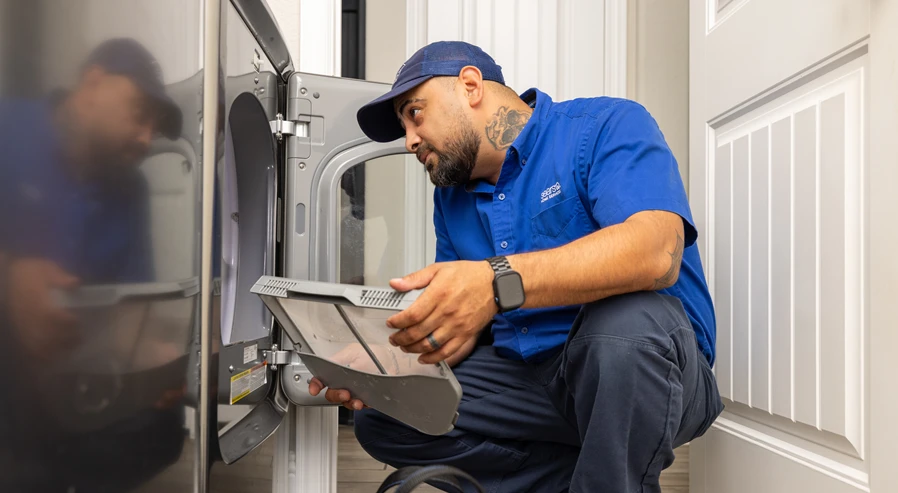
Discover essential tips to extend the life of your appliances on Sears Home Services.
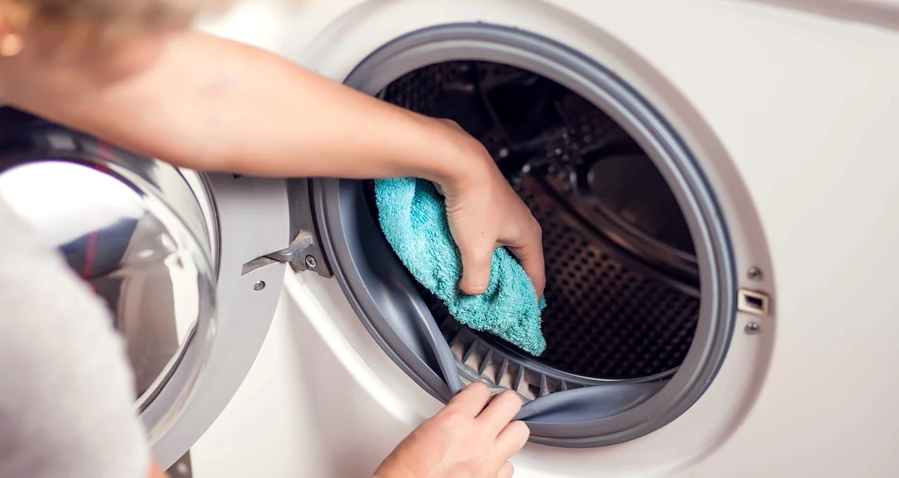
Mold can find its way into your home appliances, especially where moisture lingers.
ENERGY STAR appliances are energy-efficient products that meet the strict energy efficiency specifications set by the U.S. Environmental Protection Agency or the U.S. Department of Energy. These appliances are designed to use less energy and water, leading to cost savings and a reduced environmental impact.
Wattage is the measure of electrical power expressed in watts (W), indicating the rate at which a device consumes energy.
Natural gas is a fossil fuel used primarily for heating, cooking, and electricity generation. It's a hydrocarbon gas mixture consisting mainly of methane, but it also contains smaller amounts of other hydrocarbons and sometimes sulfur compounds.
A washer screw is a fastening device that combines a screw and a washer, designed to distribute the load of a screwed fastening more evenly and to prevent the screw from loosening under vibration.
When your Payne central air conditioner won’t turn on or isn’t cooling, check for power problems, a failed capacitor, or a clogged condensate drain. This guide covers quick, safe troubleshooting steps and explains when to call Sears Home Services for expert central AC repair.
When your ICP central air conditioner won’t turn on or isn’t cooling, check for power problems, a failed capacitor, or a clogged condensate drain. This guide covers quick, safe troubleshooting steps and explains when to call Sears Home Services for expert central AC repair.
When your Heil central air conditioner won’t turn on or isn’t cooling, check for power problems, a failed capacitor, or a clogged condensate drain. This guide covers quick, safe troubleshooting steps and explains when to call Sears Home Services for expert central AC repair.
When your Carrier central air conditioner won’t turn on or isn’t cooling, check for power problems, a failed capacitor, or a clogged condensate drain. This guide covers quick, safe troubleshooting steps and explains when to call Sears Home Services for expert central AC repair.
When your Comfortmaker central air conditioner won’t turn on or isn’t cooling, check for power problems, a failed capacitor, or a clogged condensate drain. This guide covers quick, safe troubleshooting steps and explains when to call Sears Home Services for expert central AC repair.
When your Ruud central air conditioner won’t turn on or isn’t cooling, check for power problems, a failed capacitor, or a clogged condensate drain. This guide covers quick, safe troubleshooting steps and explains when to call Sears Home Services for expert central AC repair.