 Appointment Lookup
 213-596-2538

Learn how an air filter works in your HVAC system and how to choose the right filter.

A run capacitor is a small but crucial component in many appliances and HVAC (Heating, Ventilation, and Air Conditioning) systems, designed to help electric motors operate more efficiently. By storing and releasing electrical energy, run capacitors help maintain a steady, reliable current flow to motors in appliances such as air conditioners, refrigerators, and washing machines, as well as HVAC systems. Here’s a look at how run capacitors function, why they're important, and what issues can arise if they fail.
KEY TAKEAWAYS
A run capacitor is a type of capacitor specifically designed to stay in the circuit while the motor is running. Unlike start capacitors, which are only used to provide an initial jolt of energy to start a motor, run capacitors continuously regulate and stabilize the current while the motor is in operation. This constant presence allows the motor to run more efficiently, reducing the strain on the electrical system, enhancing performance, and helping extend the motor's lifespan.

The primary function of a run capacitor is to create a phase shift in the power supplied to the motor. Here’s a breakdown of its main processes:
Run capacitors are typically made up of two metallic plates with a dielectric material (an insulating substance) in between. They store electrical energy when connected to a power source and then release it at a controlled rate, smoothing out the energy flow.
Motors in appliances and HVAC systems often use alternating current (AC) power, which naturally oscillates between positive and negative cycles. The capacitor slightly shifts the phase of the electric current in one of the windings of the motor. This creates a "lagging" magnetic field that is slightly out of phase with the main field, resulting in smoother, more efficient motor operation.
Unlike start capacitors, which only engage briefly, run capacitors remain active during the motor’s operation. This ensures a more stable current supply, reducing fluctuations that can wear out the motor or cause it to overheat.
By ensuring the motor operates at an optimal power factor, run capacitors allow the system to draw less current for the same workload, thus improving energy efficiency.
In HVAC systems, run capacitors help maintain the compressor and fan motor’s efficiency. This keeps the system’s temperatures within reasonable ranges, ensuring better cooling or heating performance.
More efficient motor operation translates to lower electricity consumption, which is particularly beneficial for HVAC systems that run frequently in both residential and commercial settings.
Motors that run without constant voltage spikes or drops experience less wear and tear, which extends the operational life of appliances and HVAC components.

When a run capacitor starts to fail, it can result in noticeable issues within the appliance or HVAC system, including:
##Replacing a Run Capacitor
Run capacitors are typically small, cylindrical components located near the motor in appliances or HVAC systems. They can be replaced if they fail, but it’s essential to have the correct specifications for the replacement capacitor. It’s best to replace the capacitor with the manufacturer recommended replacement part.
Due to the risk of electric shock, it’s best to have an appliance repair technician replace a bad capacitor in most situations
If you’re confident in your technical abilities to complete DIY appliance repairs, you can consider replacing a run capacitor in a refrigerator as shown in this video:
In summary, run capacitors play a vital role in the efficient and reliable operation of motors within appliances and HVAC systems. They ensure stable current, improve energy efficiency, and contribute to the longevity of the motor.
By maintaining a steady phase shift in the power supply, run capacitors help avoid the wear and tear that would otherwise result from fluctuating voltage levels.
Regular appliance maintenance and timely replacement of failing capacitors are key to keeping these systems running smoothly, safely, and efficiently.
Rely on our skilled technicians to diagnose and repair your HVAC equipment, ensuring optimal comfort in your home.
Loading scheduler options...
Learn how an air filter works in your HVAC system and how to choose the right filter.

Learn how inverter AC systems use a variable speed compressor to efficiently cool your home.

Wondering how evaporative coolers work to keep spaces cool and comfortable? Explore how they work and how to keep them working at their best.
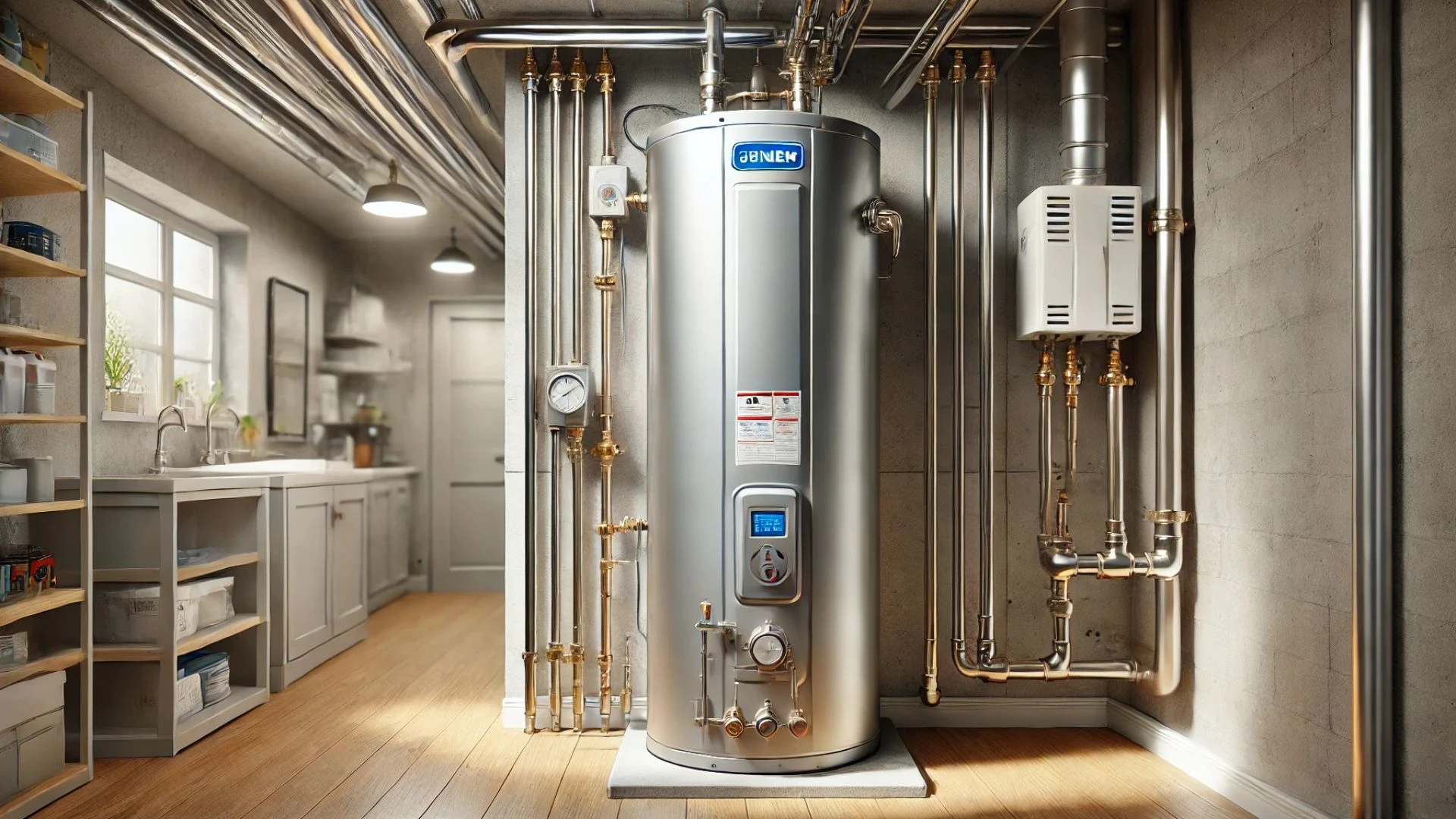
Curious about how thermocouples work? Discover how these components control gas flow in appliances, ensuring safe operation in furnaces, water heaters, and more.
The 608 Certification, mandated by the Environmental Protection Agency (EPA), is required for HVAC technicians to legally handle refrigerants. It ensures technicians understand refrigerant types, environmental impact, and proper handling techniques.
A compressor is a mechanical device that increases the pressure of a gas by reducing its volume, essential in various systems including refrigerators, air conditioners, and HVAC units for cooling and refrigeration processes.
A condenser is a component of HVAC and refrigeration systems, responsible for releasing absorbed heat from the refrigerant into the outside air or a water line, thus facilitating the cooling process.
A capacitor in an AC unit is an electrical component that stores and releases electrical energy to help start the motor and stabilize the voltage during operation.
When your Payne central air conditioner won’t turn on or isn’t cooling, check for power problems, a failed capacitor, or a clogged condensate drain. This guide covers quick, safe troubleshooting steps and explains when to call Sears Home Services for expert central AC repair.
When your ICP central air conditioner won’t turn on or isn’t cooling, check for power problems, a failed capacitor, or a clogged condensate drain. This guide covers quick, safe troubleshooting steps and explains when to call Sears Home Services for expert central AC repair.
When your Heil central air conditioner won’t turn on or isn’t cooling, check for power problems, a failed capacitor, or a clogged condensate drain. This guide covers quick, safe troubleshooting steps and explains when to call Sears Home Services for expert central AC repair.
When your Carrier central air conditioner won’t turn on or isn’t cooling, check for power problems, a failed capacitor, or a clogged condensate drain. This guide covers quick, safe troubleshooting steps and explains when to call Sears Home Services for expert central AC repair.
When your Comfortmaker central air conditioner won’t turn on or isn’t cooling, check for power problems, a failed capacitor, or a clogged condensate drain. This guide covers quick, safe troubleshooting steps and explains when to call Sears Home Services for expert central AC repair.
When your Ruud central air conditioner won’t turn on or isn’t cooling, check for power problems, a failed capacitor, or a clogged condensate drain. This guide covers quick, safe troubleshooting steps and explains when to call Sears Home Services for expert central AC repair.