 Appointment Lookup
 213-596-2538

Learn how an air filter works in your HVAC system and how to choose the right filter.

Central air conditioners are a staple in many households, ensuring comfort during the scorching summer months. Among the technological advancements in HVAC systems, inverter air conditioners—featuring variable-speed compressors—stand out as a game-changer.
But how do these high-tech systems work, and how do they compare to traditional single-speed compressors? Let’s dive in and find out.
KEY TAKEAWAYS
At the heart of an inverter AC is the variable-speed compressor, often referred to as an inverter compressor. Unlike traditional single-speed compressors, which operate in an "on-off" cycle, inverter compressors adjust their speed based on the cooling demand of your home. Here's how:
The compressor in an inverter AC runs continuously but adjusts its speed (RPM) according to the cooling requirement. For instance:
The system is equipped with sensors and a microcontroller that monitor the indoor temperature. Based on the difference between the set temperature on the thermostat and the room temperature, the compressor modifies its speed to match the demand.
The key to the inverter AC’s efficiency lies in its DC inverter technology, which ensures smooth and seamless speed adjustments. This technology minimizes energy wastage and helps maintain a consistent temperature without the frequent starts and stops typical of single-speed systems.
Inverter ACs consume significantly less electricity than single-speed systems. By adjusting compressor speed rather than cycling on and off, they avoid the high energy spikes associated with startup. This translates to reduced utility bills.
Variable-speed compressors maintain a more consistent indoor temperature. Instead of experiencing the temperature swings common with single-speed systems, you’ll enjoy a steady, comfortable environment.
Frequent start-stop cycles in single-speed systems generate noise. Inverter ACs operate more quietly since the compressor runs at lower speeds for longer durations.
Because inverter ACs avoid the strain of repeated start-stop cycles, the compressor and other components experience less wear and tear, contributing to a longer lifespan.
With reduced energy consumption and higher efficiency, inverter ACs have a lower carbon footprint compared to their single-speed counterparts.

While inverter ACs are more advanced, they still require regular maintenance to perform efficiently and extend their lifespan. Here’s how to keep your system in top shape:
Dust and debris buildup can hinder airflow and reduce efficiency. Clean or replace the air filters every 1–2 months, especially during heavy usage. Follow the instructions in the owner’s manual for your AC to replace the air filters.
Keep the outdoor condenser unit free of debris such as leaves, dirt, and twigs. Ensure at least two feet of clearance around the unit for proper airflow.
Have a qualified HVAC technician inspect your system annually. They during air conditioner maintenance and cleaning service, the technician will:
Here’s a helpful YouTube video that show more details of a Sears Home Services technician performing HVAC maintenance:
If the technician finds problems with your inverter AC system, he can perform air conditioner repair right away to fix the unit.
Listen for strange sounds or observe any cooling inconsistencies. Addressing minor issues early can prevent costly repairs down the line.
Schedule AC repair service as soon as you notice any unusual noises or cooling problems.
The air conditioner evaporator collects water vapor as frost on the coils as it cools your home. The system periodically melts that frost off of the evaporator fins and the water drips down into a tray below the evaporator and drains to the outside of your home through a drain line.
To avoid water damage in your home and keep your AC running, make sure that you pour vinegar or liquid chlorine bleach through the standpipe in that drain line as directed in the owner’s manual for your unit.
If that drain line clogs and water backs up in the drain pipe and evaporator condensate drain tray, a float switch in the AC system will trip and shut off the AC.
You may hear water dripping or see water seeping from the floor under your inside air conditioner unit when the condensate drain line gets clogged. The air filter may also get wet as condensate water backs up in the drain pan under the evaporator.
When this happens, you’ll need to clear the condensate drain as shown in this DIY troubleshooting video:
You’ll also need to vacuum up the spilled water using a wet/dry shop vac and deal with any water damage when the condensate drain line clogs and water back up into your home.
Keeping the condensate drain line clear is one of the most important AC system maintenance tasks that you’ll need to perform.
Set the thermostat to an optimal temperature (around 78°F in summer) and ensure it’s working correctly to avoid overworking the system. Run ceiling fans or portable fans if needed to stay cool with the thermostat set at 78 degrees.
Inverter air conditioners with variable-speed compressors will help your home feel cool even with the thermostat set at 78-degrees because the system nearly constantly circulate air throughout your home.
By understanding how inverter AC systems work and following a proactive maintenance routine, you can maximize their benefits and enjoy a comfortable home no matter how hot it gets outside.
At Sears Home Services, we have experienced technicians that know how to maintain and service all brands and types of inverter AC systems.
Trust us to help you keep your home cool all summer long.
Rely on our skilled technicians to diagnose and repair your HVAC equipment, ensuring optimal comfort in your home.
Loading scheduler options...
Learn how an air filter works in your HVAC system and how to choose the right filter.

Learn how a run capacitor works in appliances and HVAC systems.

Wondering how evaporative coolers work to keep spaces cool and comfortable? Explore how they work and how to keep them working at their best.
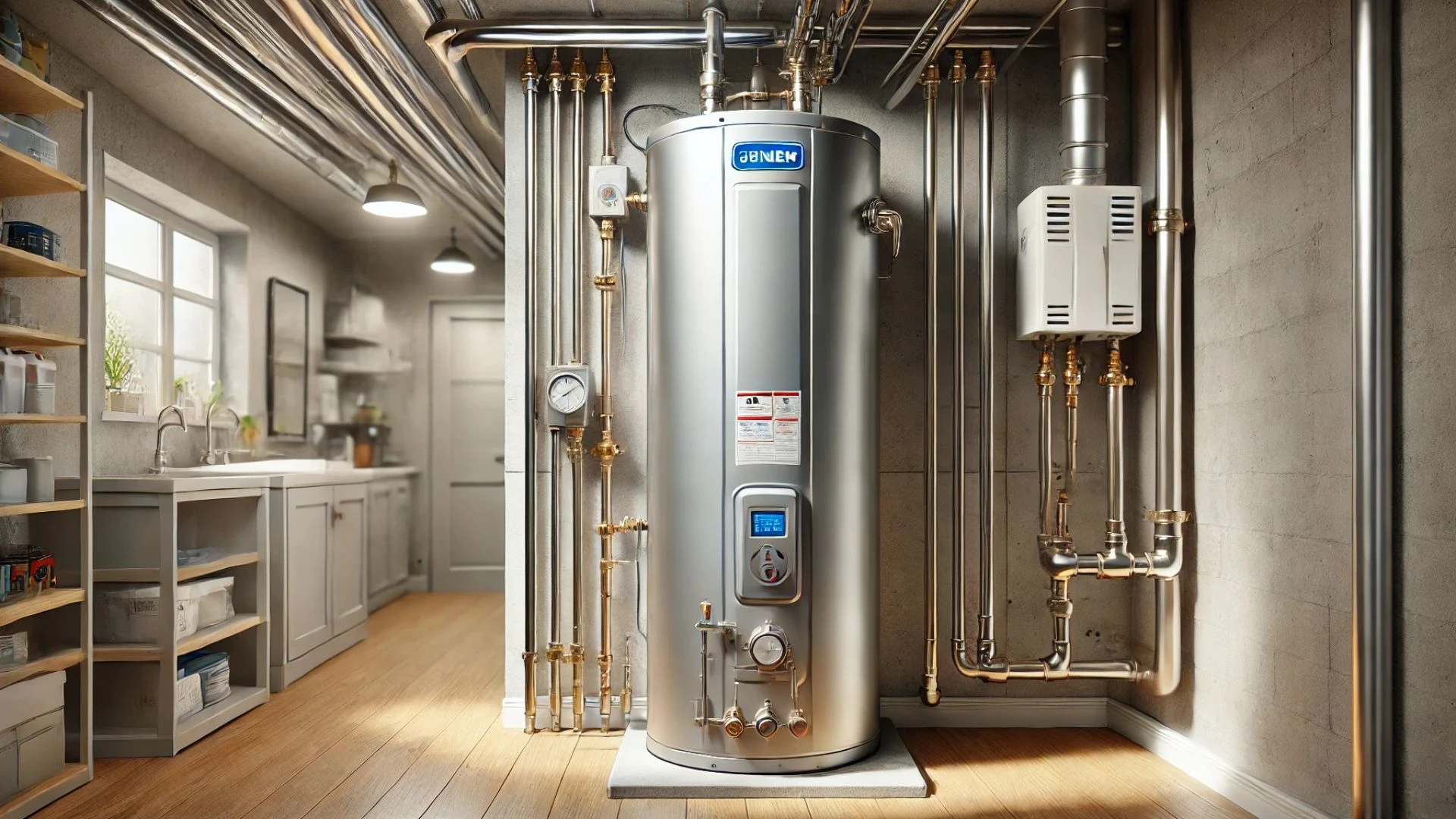
Curious about how thermocouples work? Discover how these components control gas flow in appliances, ensuring safe operation in furnaces, water heaters, and more.
The 608 Certification, mandated by the Environmental Protection Agency (EPA), is required for HVAC technicians to legally handle refrigerants. It ensures technicians understand refrigerant types, environmental impact, and proper handling techniques.
A compressor is a mechanical device that increases the pressure of a gas by reducing its volume, essential in various systems including refrigerators, air conditioners, and HVAC units for cooling and refrigeration processes.
A condenser is a component of HVAC and refrigeration systems, responsible for releasing absorbed heat from the refrigerant into the outside air or a water line, thus facilitating the cooling process.
A capacitor in an AC unit is an electrical component that stores and releases electrical energy to help start the motor and stabilize the voltage during operation.
When your Payne central air conditioner won’t turn on or isn’t cooling, check for power problems, a failed capacitor, or a clogged condensate drain. This guide covers quick, safe troubleshooting steps and explains when to call Sears Home Services for expert central AC repair.
When your ICP central air conditioner won’t turn on or isn’t cooling, check for power problems, a failed capacitor, or a clogged condensate drain. This guide covers quick, safe troubleshooting steps and explains when to call Sears Home Services for expert central AC repair.
When your Heil central air conditioner won’t turn on or isn’t cooling, check for power problems, a failed capacitor, or a clogged condensate drain. This guide covers quick, safe troubleshooting steps and explains when to call Sears Home Services for expert central AC repair.
When your Carrier central air conditioner won’t turn on or isn’t cooling, check for power problems, a failed capacitor, or a clogged condensate drain. This guide covers quick, safe troubleshooting steps and explains when to call Sears Home Services for expert central AC repair.
When your Comfortmaker central air conditioner won’t turn on or isn’t cooling, check for power problems, a failed capacitor, or a clogged condensate drain. This guide covers quick, safe troubleshooting steps and explains when to call Sears Home Services for expert central AC repair.
When your Ruud central air conditioner won’t turn on or isn’t cooling, check for power problems, a failed capacitor, or a clogged condensate drain. This guide covers quick, safe troubleshooting steps and explains when to call Sears Home Services for expert central AC repair.