 Appointment Lookup
 213-596-2538

Discover how a refrigerator works, from the cooling cycle to key components. Learn maintenance tips and know when to seek professional repair for efficient cooling.

The automatic ice maker in your refrigerator is an innovate device that delivers ice cubes constantly and dependently to the ice storage container and ice dispenser system.
But have you ever wondered "How does a refrigerator ice maker work?" Here’s a closer look at how a refrigerator ice maker works, from filling up the water to dispensing the perfect cube into your glass.
KEY TAKEAWAYS
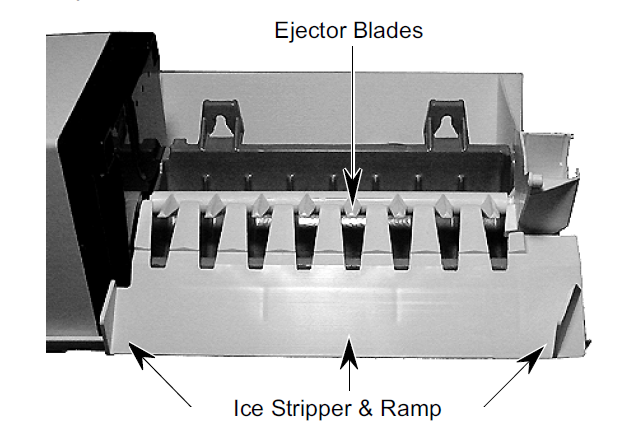
An ice maker may seem simple, but it’s actually a finely-tuned, rugged device with a few key components that work together to ensure a steady supply of ice. Here’s a breakdown of its essential parts:
The water inlet valve controls the flow of water into the ice maker. It connects the home’s water supply to the fridge and only opens when it receives a signal from the ice maker’s control mechanism.
Some refrigerators use a main water valve to allow water flow into the fridge and a second water valve to supply water to the ice maker.
The ice mold is the tray where water is poured and frozen into cubes. It’s usually shaped to make small, standard-sized ice cubes.
When it comes to refrigerator ice makers, there are a variety of ice mold designs, each using a different method to release ice cubes once they’re frozen.
The two main categories of ice molds are flexible ice trays, which require manual twisting, and rigid ice molds, which use mechanical arms or other ejector mechanisms.
These are a common in modern refrigerators. Flexible ice molds’ straightforward design are typically installed in small freezer compartments located in the refrigerator compartment of French door fridges.
These molds are made from a pliable material like silicone or plastic, allowing ejection components to twist and bend the tray to release the ice. By simply twisting or flexing the tray, you break the bond between the ice and the mold, freeing the cubes with minimal effort. While this design is convenient for ice-making, it often doesn’t produce the volume of ice that fixed ice mold icemakers can deliver.
In contrast, Rigid Ice Molds are the original design in automatic refrigerator ice makers. Made from durable metal or hard plastic, these molds are fixed in place and rely on a more complex ejection mechanism to release ice. Typically, a heating element briefly warms the mold, loosening the ice cubes just enough for a set of ejector arms or scraper blades to push the cubes out.
The scraper arms rotate through the ice mold, sweeping the ice cubes from their compartments and dropping them into the ice bin below. This design is ideal for automatic ice maker operation, as it is rugged and dependable.
This temperature sensor monitors the freezing point of the water, triggering the next phase of the process once the ice reaches the right temperature (typically less than 5-degrees F).
A thermostat is a switch in a rigid ice mold system that allows the heater to warm the mold and ice cubes to prepare for the ejection process.
A thermistor is an electronic temperature sensor that sends signals to an electronic control board to indicate the cubes are frozen and initiate the ejection process.
Ejector blades push the ice cubes from the mold the ice bin after the cubes are warmed and released by the heater.
The flex tray motor tilts the tray and twists or flexes the tray once the ice is fully frozen. This flexing action loosens the ice cubes from the mold, causing them to fall out and drop into the storage bin below.
After the cubes are released from the ice mold, they drop into the storage bin, where they wait to be dispensed.
Many ice bins house an auger mechanisms that helps push or guide the stored ice cubes down through the ice chute during the dispensing process.
Now that we know the parts, let’s dive into the process from start to finish:
When you turn on the ice maker, it signals the water valve to open, allowing a small amount of water to flow into the ice mold. The water is then evenly distributed into the mold’s individual compartments to make cubes.
Once the mold is filled, the thermostat steps in to monitor the temperature of the water. The freezing process begins as the water cools to 32°F (0°C), slowly transforming into solid ice. Depending on your freezer settings and the type of fridge, this process can take anywhere from 45 minutes to an hour.
The thermostat or thermistor triggers the next step once it detects that the water has fully frozen.
In an ice maker with a rigid ice mold, tripping the thermostat sends electric current to a heating element beneath the ice mold, which gently warms the mold, loosening the ice cubes enough for easy removal.
For a flex-tray ice maker, the thermistor sends a signal to the ice maker control board to initiate the harvest cycle to dump the frozen cubes into the ice storage bin.
With the ice loosened, the ejector blades rotate to push the cubes out of the mold and into the ice bin. These blades sweep across the mold, clearing it out to make room for the next batch of ice.
When the control senses that cubes are frozen, the motor first tilts the flexible tray and then twists the mold to release the cubes and drop them into the ice storage bin.
The motor then rotate the flexible mold back to the level home position so the mold is ready to be filled with water to produce the next batch of ice.
The ice maker system checks the level in ice cubes in the ice bin using a mechanical sensing arm or an infrared level-sensing beam. If the ice bin has room for more ice, the entire cycle starts again.
If the ice cube level sensing system detects that the ice bin is full, the ice maker assembly will fill with water and produce a new batch of cubes in the ice mold. The control won’t initiate the harvest or ejection portion of the cycle until the ice bin level sensor detects that the ice bin has room for the frozen cubes in the ice mold.
Despite their impressive reliability, ice makers can occasionally run into issues. Here are a few common problems and tips for troubleshooting:
An ice maker can stop working for a variety of reasons. Water supply problems, temperature issues in the freezer or ice room, or ice maker system component failures can prevent ice production.
First, look for water or frozen ice cubes in the ice mold. Use a light and mirror if necessary to see inside the ice mold.
If the ice mold is empty, manually fill the ice mold and see if the ice maker system ejects the ice cubes when they’re frozen. If the ice maker ejects the frozen cubes, then the failure is almost certainly caused by a water supply problem.
Check the water fill tube above the ice mold to see if it’s frozen. If it is, you may be able to fix the ice production problem by defrosting that fill tube. Blowing warm air on the tube using a hair dryer on a low heat setting will often do the trick.
If you’re unable to defrost the frozen fill tube on your own, schedule refrigerator repair service to have a technician fix the problem.
If the fill tube isn’t frozen, a failed ice maker water valve, bad ice maker control or wiring failure could be preventing the ice maker from filling.
If the ice mold is full of ice but the ice make module isn’t dumping the ice, the freezer compartment or ice room temperature may not be cold enough. The thermostat or thermistor won’t initiate the harvest function unless the sensor detects that the temperature at the ice mold is less than 5-degrees F.
If the freezer and refrigerator isn’t cooling properly, troubleshooting a freezer temperature problem will sometimes fix the ice maker failure. Cooling problems in a fridge are often caused by defrost system problems. Follow the troubleshooting tips in this video to resolve cooling problems in the freezer and refrigerator:
If these troubleshooting tips don’t help you find and resolve the cause of the ice maker failure, schedule refrigerator repair service to have a Sears Home Services technician visit your home and fix the ice maker.
This can indicate a low water flow, which may be caused by a partially clogged filter or a kinked water line. Replacing the filter or adjusting the water line can usually fix this.
If your ice tastes unusual, it may be time to change your water filter or clean the ice bin.
Over time, the bin can absorb odors from other foods in the freezer, affecting the taste of the ice. Discard all of the ice in the ice bin and let the icemaker fill the ice bin with fresh ice cubes.
To prevent the problem from returning, wrap foods stored in the fridge well or store them in air-tight containers inside the fridge and freezer.
Regular maintenance and cleaning will help keep your ice maker in great shape for years. And if anything goes wrong, don’t hesitate to call Sears Home Services for a professional solution.
Backed by years of experience, our technicians possess the skills necessary to fix your refrigerator. And because our techs our local, they can fix it for you fast.
Loading scheduler options...
Discover how a refrigerator works, from the cooling cycle to key components. Learn maintenance tips and know when to seek professional repair for efficient cooling.

Learn how a propane refrigerator that uses R290 refrigerant works.

Learn how a kegerator works and get answers to frequently asked questions.

Learn how a stepper motor works and how it’s used in refrigerators.
A compressor is a mechanical device that increases the pressure of a gas by reducing its volume, essential in various systems including refrigerators, air conditioners, and HVAC units for cooling and refrigeration processes.
A condenser is a component of HVAC and refrigeration systems, responsible for releasing absorbed heat from the refrigerant into the outside air or a water line, thus facilitating the cooling process.
A dual ice maker is a feature in some refrigerators that includes two separate ice makers: one in the fridge compartment and another in the freezer section. This setup doubles the appliance's ice-making capacity.
A French-door refrigerator features two doors that open side-by-side on the top section for the refrigerator compartment, with a bottom freezer drawer, combining style, efficiency, and easy access to both refrigerated and frozen goods.
The most common reasons your LG refrigerator icemaker reset button is not working are a faulty icemaker, a malfunctioning PCB, or a defective water valve.
The most common reasons your Samsung refrigerator is leaking water are a clogged defrost drain, cracked dispenser water tubing or a damaged evaporator.
The most common reasons your Kenmore Elite refrigerator stopped working are a locked compressor, damaged evaporator or a defective electronic control board.
The most common reasons your Maytag refrigerator stopped working are a locked compressor, damaged evaporator or a defective electronic control board.
The most common reasons your Kenmore refrigerator is noisy are a faulty ice maker assembly, defective electronic control board or a locked compressor.
The most common reasons your Kenmore refrigerator fan is not working are a defective electronic control board, damaged evaporator or a locked compressor.