 Appointment Lookup
 213-596-2538

Learn what your freezer’s temperature should be and how to safely preserve your food.

Dry indoor air can make your home feel uncomfortable, especially during colder months when heating systems pull moisture from the air. This dryness can lead to itchy skin, scratchy throats, and even cracked furniture. A humidifier steps in to restore moisture, helping you breathe easier and feel more at ease at home. From easing respiratory discomfort to protecting your belongings, a humidifier creates a balanced, cozy environment for you and your family. Knowing how it works makes choosing and using the right one even easier.
KEY TAKEAWAYS
Indoor humidity levels can impact both comfort and health. When the air is too dry, it can cause skin irritation, respiratory discomfort, and even damage wooden furniture or other delicate items. Keeping indoor humidity in a balanced range can make the air feel pleasant, support easier breathing, and protect moisture-sensitive belongings.
Relative humidity measures the amount of moisture in the air compared to the maximum it can hold at a given temperature. Expressed as a percentage, it shows how much of the air’s moisture capacity is filled. For example, if the relative humidity is 50%, the air holds half the moisture it could contain at that temperature. This measurement helps to gauge whether indoor air feels balanced or too dry.
Most homes feel best with indoor humidity between 30% and 50%:
When humidity falls below this range, dry air can cause discomfort and make certain health issues worse, especially during colder months. A humidifier can help you maintain this comfortable level, supporting both health and the longevity of your home’s belongings.
A humidifier’s job is to add moisture to indoor air, creating a balanced atmosphere in spaces where dryness can cause discomfort. By using water and simple mechanical processes, humidifiers increase humidity levels, making a noticeable difference in how the air feels. Different types of humidifiers operate in slightly different ways, but they all share a few essential components.
Most humidifiers use similar core parts to raise indoor humidity levels effectively:
Each part plays a role in turning water into a fine mist or vapor that blends with indoor air, creating a comfortable humidity balance.
Humidifiers use different methods to add moisture to the air, depending on the type:
Each method provides a way to increase humidity, whether by evaporation, mist, or steam, allowing you to choose a type that suits your comfort and needs.
Selecting a humidifier often comes down to deciding between cool mist, warm mist, and whole-house models:
Each type offers unique benefits, allowing you to choose the best fit based on your environment, comfort preferences, and space requirements.

Adding a humidifier to your home can make a noticeable difference in both comfort and health, especially in dry climates or during colder seasons when indoor air tends to be drier. Humidifiers create a more pleasant environment and help to reduce some common issues by simply increasing moisture levels.
A humidifier can bring relief from several discomforts often caused by dry air:
Using a humidifier can create a gentler, less irritating indoor environment, especially for those who experience respiratory discomfort.
Humidity levels also play a role in restful sleep. Dry air can cause dryness in the throat and nasal passages, leading to coughing, snoring, or other sleep disruptions. By maintaining an ideal humidity range, a humidifier helps prevent these issues, allowing for a more restful night. This added moisture can support clearer breathing and greater comfort, making it easier to relax and enjoy uninterrupted sleep.
Beyond personal comfort, balanced humidity levels benefit the home itself:
Maintaining a comfortable humidity level with a humidifier can enhance both the health of your home’s inhabitants and the longevity of items sensitive to dry air.
Selecting the right humidifier depends on your space and specific needs. With various models available, choosing one that suits your room size and humidity preferences will help you achieve the best results. Considering the coverage, type, and maintenance needs can make the decision process easier.
When selecting a humidifier, start by determining the size of the area you want to humidify:
Choosing the right coverage level helps ensure you’re adding just the right amount of moisture for the area you want to treat.
Humidifiers come in different types, each with unique features suited for various needs:
Reviewing the types and features can help you select the humidifier that fits your comfort preferences and room conditions.
Regular upkeep is essential for any humidifier to perform at its best and to maintain a healthy indoor environment:
Staying on top of maintenance keeps your humidifier running efficiently and ensures the air remains clean and safe. For whole-home and furnace humidifiers, scheduling yearly professional HVAC maintenance ensures optimal performance and long-term reliability.
Using a humidifier correctly helps you get the most from its benefits while keeping your indoor environment safe and comfortable. By setting the right humidity level, following safety practices, and knowing a few troubleshooting tips, you can enjoy consistent results from your humidifier.
Maintaining the right humidity level is key to creating a comfortable atmosphere without introducing too much moisture:
Setting an optimal humidity level helps support health and comfort while preventing issues that come from excess moisture.
Humidifiers are straightforward to use, but taking basic safety steps will keep them operating smoothly:
Following these precautions helps maintain the humidifier’s efficiency and keeps the air clean.

Even with regular use, humidifiers can experience occasional issues. Here are some quick solutions for common problems to keep your humidifier running smoothly:
For whole-house humidifiers, unresolved issues may indicate a need for HVAC repair or HVAC maintenance service to keep the entire system functioning at its best. Professional attention ensures your humidifier stays in top condition, providing clean and comfortable air all year round.
Rely on our experienced technicians to diagnose and repair your whole-dehumidifier and humidifier, ensuring optimal comfort in your home.
Loading scheduler options...
Learn what your freezer’s temperature should be and how to safely preserve your food.

Discover why your freezer is only freezing at the bottom with Sears Home Services.
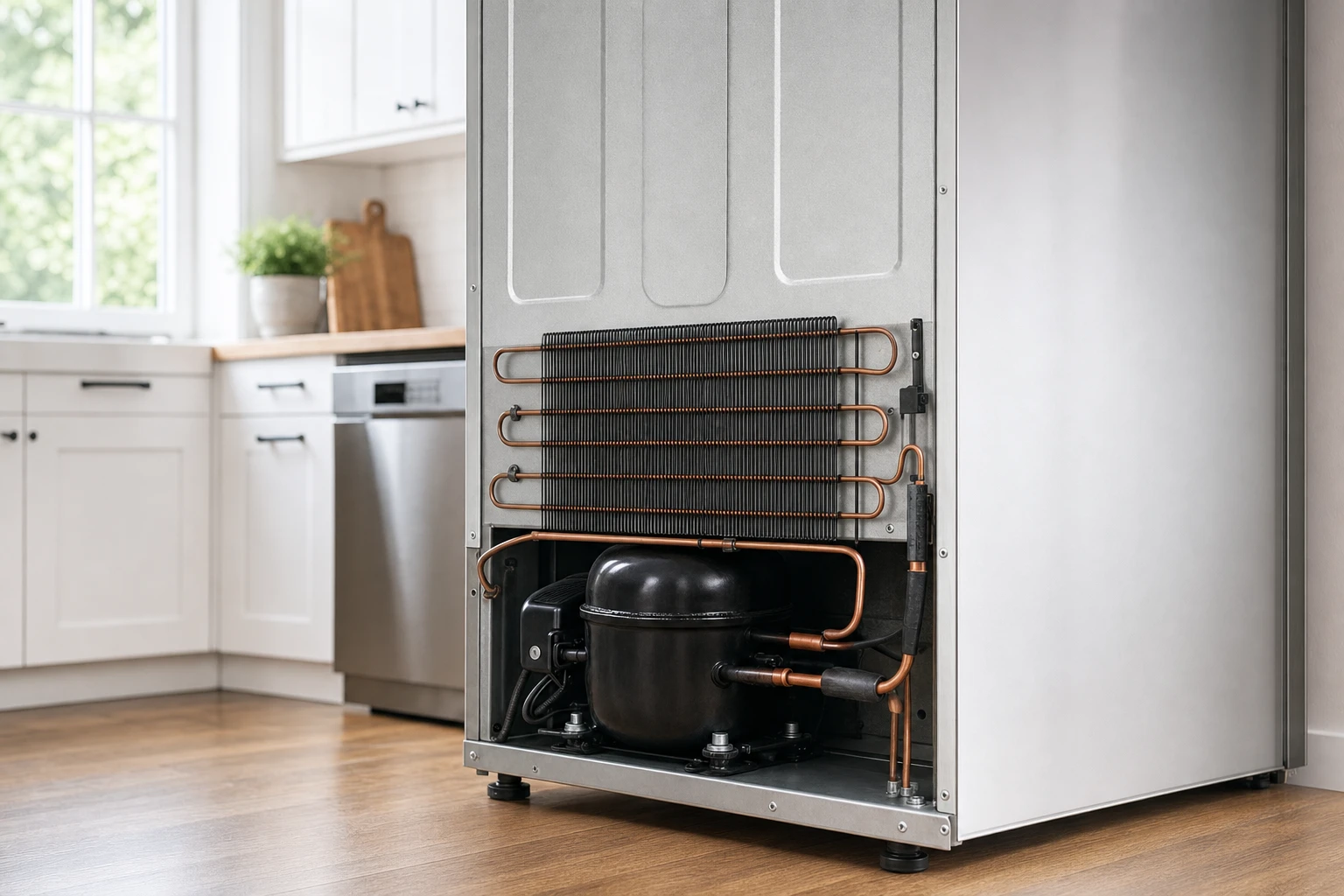
Learn what a freezer compressor is, how it works, signs it's failing, and when to repair or replace. Expert guide from Sears Home Services.

When tackling DIY appliance repair, safety should always be your top priority.
The drum is the core part of the washer that holds your laundry and enables the cleaning process through rotation, agitation, and rinsing.
The 608 Certification, mandated by the Environmental Protection Agency (EPA), is required for HVAC technicians to legally handle refrigerants. It ensures technicians understand refrigerant types, environmental impact, and proper handling techniques.
A compressor is a mechanical device that increases the pressure of a gas by reducing its volume, essential in various systems including refrigerators, air conditioners, and HVAC units for cooling and refrigeration processes.
A condenser is a component of HVAC and refrigeration systems, responsible for releasing absorbed heat from the refrigerant into the outside air or a water line, thus facilitating the cooling process.
When your Payne central air conditioner won’t turn on or isn’t cooling, check for power problems, a failed capacitor, or a clogged condensate drain. This guide covers quick, safe troubleshooting steps and explains when to call Sears Home Services for expert central AC repair.
When your ICP central air conditioner won’t turn on or isn’t cooling, check for power problems, a failed capacitor, or a clogged condensate drain. This guide covers quick, safe troubleshooting steps and explains when to call Sears Home Services for expert central AC repair.
When your Heil central air conditioner won’t turn on or isn’t cooling, check for power problems, a failed capacitor, or a clogged condensate drain. This guide covers quick, safe troubleshooting steps and explains when to call Sears Home Services for expert central AC repair.
When your Carrier central air conditioner won’t turn on or isn’t cooling, check for power problems, a failed capacitor, or a clogged condensate drain. This guide covers quick, safe troubleshooting steps and explains when to call Sears Home Services for expert central AC repair.
When your Comfortmaker central air conditioner won’t turn on or isn’t cooling, check for power problems, a failed capacitor, or a clogged condensate drain. This guide covers quick, safe troubleshooting steps and explains when to call Sears Home Services for expert central AC repair.
When your Ruud central air conditioner won’t turn on or isn’t cooling, check for power problems, a failed capacitor, or a clogged condensate drain. This guide covers quick, safe troubleshooting steps and explains when to call Sears Home Services for expert central AC repair.