 Appointment Lookup
 213-596-2538

Learn how a recirculation pump works in a dishwasher and how to troubleshoot pump problems.

A dishwasher air gap is a simple device installed on the kitchen sink near your dishwasher. Its purpose is to prevent dirty drain water from flowing back into your dishwasher. It also prevents sewage water from your kitchen sink drain from flowing into your dishwasher through the drain hose in the event of a sewage system backup in your home.
While it often goes unnoticed, understanding how it works and addressing issues related to it can save you from costly repairs and ensure your dishwasher runs efficiently.
In this article, we'll look at the mechanics of the air gap, common issues it can cause, and tips for maintaining your dishwasher to avoid problems.
KEY TAKEAWAYS
The dishwasher air gap is a backflow preventer and anti-siphon device installed in the drain hose system of your dishwasher and attached to the outer rim of your kitchen sink. It creates a short break in the dishwasher drain hose between the bottom of the dishwasher and the drain hose connection on the kitchen sink.
The air gap helps keep your dishwasher sanitary by preventing exposure to contaminated water.
The physical gap that it creates in the drain hose prevents dirty drain water or backed up sink drain water from flowing from the kitchen sink drain into the dishwasher tub through the dishwasher drain system.
While preventing this backflow, it allows dishwasher drain water to flow freely in the proper drain direction through the gap and into the kitchen sink drain during the drain portion of the dishwasher cycle.
Note: Not all dishwasher installations use an air gap.
Here’s a diagram of an air gap installed in a dishwasher drain system.

How Does It Work?
The air gap has two key hoses:
When your dishwasher drains, water travels through the inlet hose into the air gap. If the drain line is working correctly, the water flows out of the air gap through the outlet hose and into your plumbing system.
If there’s a blockage in the plumbing or drain or drain water backs up through the sink drain, the air gap allows water to overflow safely onto the sink instead of back into the dishwasher.
A malfunctioning air gap can lead to various dishwasher drain issues. Common symptoms include:
When your dishwasher won’t drain, follow the troubleshooting steps in this popular DIY troubleshooting YouTube video to find and fix the cause of the problem:
The video shows how to take the cover off the air gap and clear an air gap clog.
Over time, food particles and grease can accumulate in the air gap. Regular cleaning prevents clogs and helps maintain optimal performance.
Follow these steps to clean the air gap:
Follow these usage and maintenance tips to keep your dishwasher in top shape and prevent air gap clogs.

Your dishwasher’s filters trap food debris and grease. Remove and clean them monthly to avoid clogs and ensure optimal water flow.
Follow the instructions in your owner’s manual to clean the filters in your model.
Always use dishwasher-safe detergents in the right dosage to prevent residue buildup that can clog hoses and air gaps.
Hot water helps dissolve grease and food particles more effectively, preventing clogs in the system.
Run the hot water at your kitchen sink before starting a cycle so the dishwasher fills with the hottest water possible.
Inspect the spray arms for blockages and clean them as needed to ensure proper water circulation inside the dishwasher.
Hard water can cause mineral buildup in your dishwasher’s components, including the air gap. Run a cleaning cycle with dishwasher cleaner or vinegar every few months to remove scale.
Overloading your dishwasher can restrict water flow and lead to poor cleaning results. Load dishes according to the manufacturer's guidelines.
Keep your dishwasher in top shape by scheduling professional dishwasher maintenance service every year. This step will help keep the air gap clear and help you avoid unexpected dishwasher breakdowns. Also, your dishwasher will last longer when it’s professionally maintained.
The dishwasher air gap plays a critical role in preventing contamination and ensuring smooth drainage. By understanding how it works, troubleshooting common issues, and following proactive maintenance tips, you can keep your dishwasher running safely and efficiently for years.
At Sears Home Services, we know appliances. Trust us with all of your home appliance needs.
We’ll help you manage your home so it runs smoothly and efficiently all year long.
With extensive experience, our technicians are skilled in repairing dishwashers of all makes and models, ensuring sparkling clean dishes with every cycle.
Loading scheduler options...
Learn how a recirculation pump works in a dishwasher and how to troubleshoot pump problems.
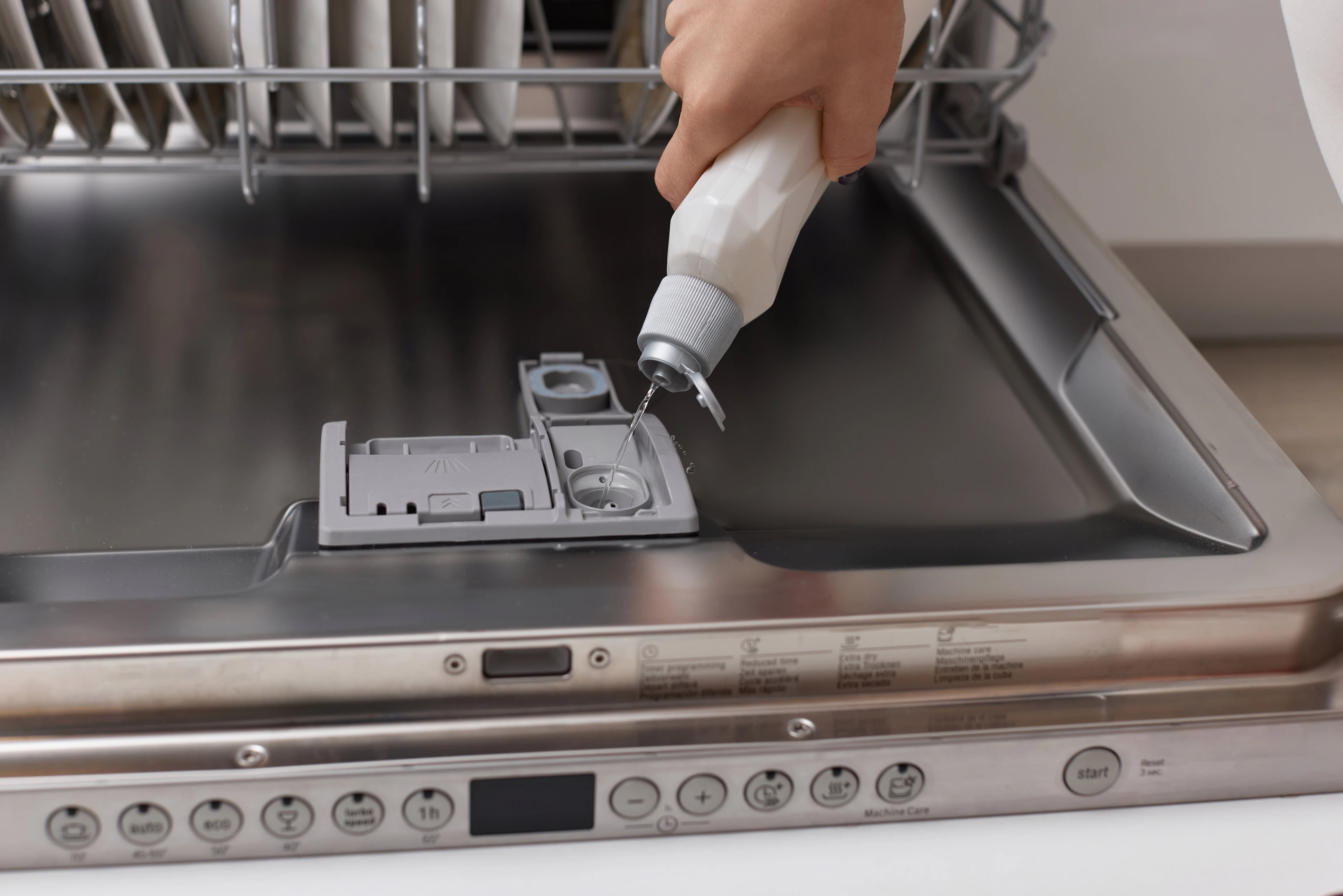
Learn how a rinse aid dispenser works in a dishwasher and how to troubleshoot problems.
Learn how a portable dishwasher works with Sears Home Services.

Learn what causes poor dishwasher cleaning results and find out how to get dishes cleaned spotlessly in the dishwasher.
A dishwasher basket is a removable container designed to securely hold small items like cutlery and utensils during the wash cycle, ensuring efficient cleaning without loss or damage.
A dishwasher end panel is a finishing piece installed on the exposed side of a dishwasher, primarily when it is at the end of kitchen cabinetry, to ensure a seamless and aesthetically pleasing look in the kitchen.
A dishwasher diverter motor controls the direction of water flow to different spray arms within the dishwasher, ensuring optimal water distribution during each wash cycle for thorough cleaning.
A dishwasher drawer is a compact, space-saving kitchen appliance designed to clean dishes efficiently, resembling a standard kitchen drawer that slides out for easy loading and unloading.
The most common reasons your Frigidaire dishwasher won't start a cycle are a defective electronic control board, damaged power supply board or a failed door switch.
The most common reasons your Amana dishwasher won't drain are a failed drain pump, faulty pump and motor assembly or a cracked drain hose.
The most common reasons your Bosch dishwasher has no heat are a defective electronic control board, clogged water valve or a broken detergent dispenser.
The most common reasons your Electrolux dishwasher is not heating are a defective electronic control board, faulty pump and motor assembly or a damaged user interface control.
The most common reasons your Kenmore dishwasher is not washing are a faulty pump and motor assembly, defective electronic control board or a clogged spray arm.
The most common reasons your Kenmore Elite dishwasher is not washing are a faulty pump and motor assembly, defective electronic control board or a clogged spray arm.