 Appointment Lookup
 213-596-2538

Discover how thermostats work to control your home's comfort and energy use. Learn about types, programming tips, and maintenance for a more efficient home.
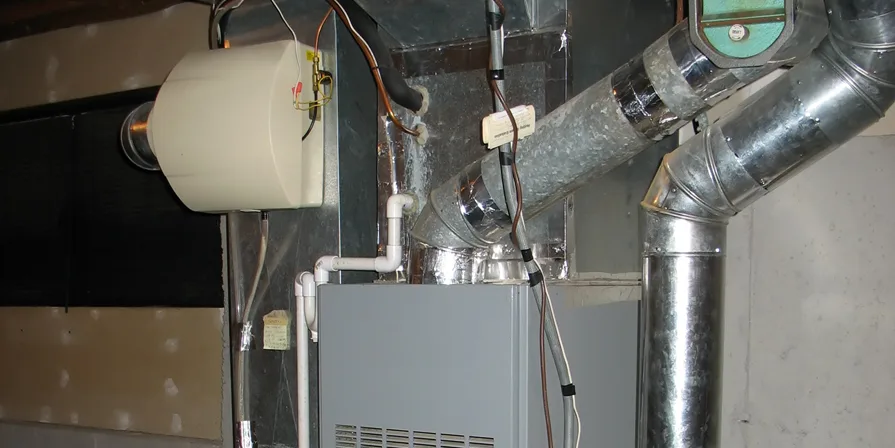
Electric heaters are a crucial component in many modern HVAC systems, providing heat for winter in moderate climates. Electric heating elements provide the heat in central air conditioners. In heat pump systems, electric heaters provide emergency or backup heat when the compressor system can’t supply enough heat during extremely cold weather.
Let’s explore how electric heaters work in HVAC systems. We’ll look at their components, and why they’re an efficient solution for many homes.
KEY TAKEAWAYS
Electric heating elements work by converting electrical energy into heat through a process called resistance heating. When an electric current passes through a material with high electrical resistance, the material generates heat. This heat is then distributed throughout the home using the air circulation system of the central air conditioner.

These are typically made from a durable, high-resistance metal such as nichrome (an alloy of nickel and chromium). When electricity flows through the coils, they heat up and glow, producing infrared radiation and warming the air.
Surrounding the heating coils are insulators that prevent the heat from escaping to unintended parts of the system, ensuring efficient energy use and safety.
The central air conditioner’s blower fan circulates air across the heated coils, distributing the warmed air through the ductwork to heat your home evenly.
The thermostat regulates the temperature by controlling when the heating element turns on and off. Sensors monitor the temperature of the coils and surrounding areas to prevent overheating.
Here’s the step-by-step process of how electric heaters work in central AC systems:
When the thermostat detects that the indoor temperature has dropped below the desired level, it signals the system to activate the heating mode.
Electricity flows to the heating element. The high resistance of the heating coils converts this electrical energy into heat.
The system’s blower fan pulls cool air from your home and passes it over the heated coils. As the air absorbs the heat, it warms up and is then pushed back into your living spaces through the ductwork.
Sensors and the thermostat work together to maintain a consistent temperature. Once the desired temperature is reached, the heating element shuts off temporarily, conserving energy.
In extremely cold weather, when the outdoor air holds less heat to extract, heat pumps may struggle to meet your heating needs. This is where the electric heater steps in, acting as a reliable backup to support the compressor and sealed system.
Heat pumps rely on a refrigeration cycle to transfer heat from the outside air into your home. However, as outdoor temperatures plummet, the heat pump’s efficiency decreases, and the amount of heat it can extract diminishes. At this point, the system’s thermostat signals the need for supplemental heat—also called auxiliary heat.
Here’s how the electric heater works in a heat pump:
This process ensures your home remains comfortable when the heat pump itself isn’t able to adequately heat your home. When outside temperatures rise enough for the heat pump to handle home heating on its own, the electric heater shuts off.
When the heat pump’s sealed system or compressor fails or won’t be able to heat the home because of extremely low outside temperatures, the electric heating element becomes the primary heat source. This is typically controlled by the system’s emergency heat mode, which is manually activated via the thermostat in some heat pump systems.
Some heat pump systems automatically shift to emergency heat when the control senses that the heat pump system won’t be able to adequately heat the home.
Here is how the electric heater works in heat pump systems that automatically switch to emergency heating mode:
In emergency mode, the heat pump’s sealed system components are bypassed entirely. Only the electric heating element is used for heating.
Since the heating element works independently of the outdoor unit, it provides reliable heat until the system can be repaired or until the heat pump sealed system can kick in and warm your home (along with auxiliary heat if needed).
While emergency heat is invaluable in a pinch, it is less energy-efficient than the standard heat pump operation and should be used sparingly in a system with a manual emergency heating switch.
Here are some helpful usage and maintenance tips for using your electric heater or heat pump during winter.
Save money on your electric bills by following these energy-saving tips during winter:
Maintaining your electric heater or heat pump is key to ensuring it runs efficiently and lasts for many years. Regular heating system maintenance helps prevent breakdowns and keeps your system working smoothly throughout the year. Here are some simple steps you can take to keep your heat pump in good condition:
If your electric heater or heat pump shows signs of trouble, prompt heating system repair service can prevent small issues from turning into costly repairs.
Electric heaters in central air conditioners and heat pumps are a versatile and efficient solution for maintaining indoor comfort year-round.
By understanding how these systems work and adopting energy-efficient practices, you can enjoy a warm, cozy home during the winter months without worrying about excessive energy costs.
Remember, Sears Home Services is always here to help you with any heating system repair or maintenance need.
HVAC checkups from Sears Home Services help keep your heating and cooling system running at its best. Prevent costly repairs and can make your HVAC system more energy efficient with routine maintenance.
Loading scheduler options...
Discover how thermostats work to control your home's comfort and energy use. Learn about types, programming tips, and maintenance for a more efficient home.

Learn how HEPA filters work and how they can help improve your home’s indoor air quality.

Learn how a heat pump works to efficiently heat and cool your home while saving energy and money year-round. Discover their benefits, types, and maintenance tips.

Discover how the condenser works in a central air conditioner system and how to maintain it.
The 608 Certification, mandated by the Environmental Protection Agency (EPA), is required for HVAC technicians to legally handle refrigerants. It ensures technicians understand refrigerant types, environmental impact, and proper handling techniques.
A compressor is a mechanical device that increases the pressure of a gas by reducing its volume, essential in various systems including refrigerators, air conditioners, and HVAC units for cooling and refrigeration processes.
A condenser is a component of HVAC and refrigeration systems, responsible for releasing absorbed heat from the refrigerant into the outside air or a water line, thus facilitating the cooling process.
A capacitor in an AC unit is an electrical component that stores and releases electrical energy to help start the motor and stabilize the voltage during operation.
When your Payne central air conditioner won’t turn on or isn’t cooling, check for power problems, a failed capacitor, or a clogged condensate drain. This guide covers quick, safe troubleshooting steps and explains when to call Sears Home Services for expert central AC repair.
When your ICP central air conditioner won’t turn on or isn’t cooling, check for power problems, a failed capacitor, or a clogged condensate drain. This guide covers quick, safe troubleshooting steps and explains when to call Sears Home Services for expert central AC repair.
When your Heil central air conditioner won’t turn on or isn’t cooling, check for power problems, a failed capacitor, or a clogged condensate drain. This guide covers quick, safe troubleshooting steps and explains when to call Sears Home Services for expert central AC repair.
When your Carrier central air conditioner won’t turn on or isn’t cooling, check for power problems, a failed capacitor, or a clogged condensate drain. This guide covers quick, safe troubleshooting steps and explains when to call Sears Home Services for expert central AC repair.
When your Comfortmaker central air conditioner won’t turn on or isn’t cooling, check for power problems, a failed capacitor, or a clogged condensate drain. This guide covers quick, safe troubleshooting steps and explains when to call Sears Home Services for expert central AC repair.
When your Ruud central air conditioner won’t turn on or isn’t cooling, check for power problems, a failed capacitor, or a clogged condensate drain. This guide covers quick, safe troubleshooting steps and explains when to call Sears Home Services for expert central AC repair.