 Appointment Lookup
 213-596-2538
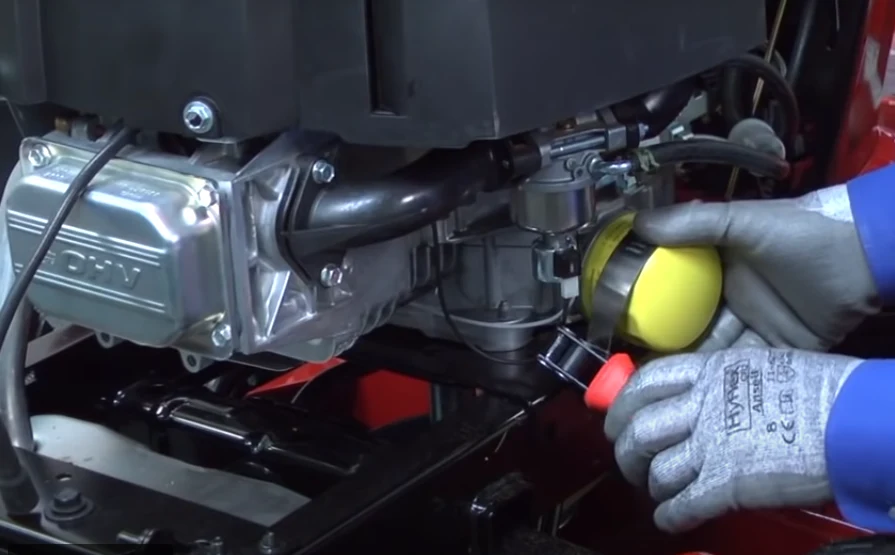
Get your riding lawn mower ready for summer with Sears Home Services.

Welcome to Sears Home Services, your premier source for all your home maintenance needs. With spring approaching, it’s the perfect time to focus on your garden. Whether you have years of experience or are just starting out, these crucial gardening tips for spring will help you cultivate a flourishing garden this season.
KEY TAKEAWAYS
To achieve a thriving garden, it’s essential to understand its specific requirements. By considering factors such as soil type, pH level, sunlight, and water needs, you can create an optimal environment for your plants to grow.
First, identify your garden’s soil type and pH level. Different plants have specific soil preferences, so conducting a simple soil test with a kit from your local garden center can be very helpful. Most plants thrive in slightly acidic to neutral soil, with a pH level around 6 to 7.
Sunlight is another critical factor. Plants have varying light requirements, ranging from full sun to partial shade. Observe how much sunlight your garden gets throughout the day to determine the best locations for different plants. For areas with limited sunlight, consider shade-loving plants like ferns or hostas.
Water requirements also vary among plants. Some, like succulents, thrive in dry soil and need minimal watering, while others, such as vegetables, require consistent moisture. Group plants with similar water needs together to ensure efficient watering.
By understanding your garden’s needs, including soil type, pH level, sunlight, and water requirements, you can foster an environment that promotes healthy growth and beautiful blooms.
As winter fades, it’s time to prepare your garden for the spring growing season. Here are key steps to ensure a successful garden.
Before planting, clear away debris and weeds accumulated over winter. Remove fallen leaves, branches, and other obstructions that could hinder plant growth. Uproot weeds, ensuring to remove deep-rooted perennial weeds.
Improve soil fertility by adding organic matter, such as compost or well-rotted manure. This enriches the soil and provides essential nutrients. Consider using a balanced organic fertilizer to enhance soil fertility further.
Plan and design your garden layout before planting. Consider sunlight exposure, plant compatibility, and your desired aesthetic. Take measurements, sketch your ideas, and create a detailed plan to guide you throughout the season.
Follow these steps to set the stage for a thriving garden this spring. And remember, Sears Home Services offers a wide range of high-quality gardening supplies and tools to meet all your needs.

Choosing the right plants is crucial for a vibrant spring garden. Consider these key factors.
Select plants suited to your region’s climate and hardiness zone. Consider average temperatures, rainfall, and sunlight to determine which plants will thrive.
Think about the overall look you want to achieve. Note each plant’s height, spread, and bloom time to create a well-balanced garden with complementary plants.
Research the specific care needs of each plant. Some may need more water, sunlight, or specific soil conditions. Understanding these requirements ensures optimal growing conditions.
By selecting plants that suit your climate, desired aesthetics, and care requirements, you’ll set yourself up for gardening success this spring.
Proper planting and transplanting techniques are essential for plant health and success. Whether starting from seeds or using potted plants, keep these tips in mind.
These planting and transplanting tips will give your garden a strong start for a successful growing season. Regularly check on your plants, provide proper care, and enjoy the fruits of your labor as your garden flourishes.
Proper garden care ensures your garden’s health and vitality. Focus on regular watering, fertilizing, and pruning to maintain a beautiful garden.
Regular watering is vital, especially during spring growth. Water deeply and infrequently to encourage root growth and prevent shallow roots. Check soil moisture by feeling the top inch of soil; if it’s dry, it’s time to water.
Different plants have unique nutrient needs. Use a slow-release fertilizer for a steady supply of nutrients. Follow the packaging instructions and avoid over-fertilizing, which can harm plants.
Prune to cut back overgrown branches or stems, deadhead to remove spent flowers, and stake tall or weak-stemmed plants for support. These practices maintain plant shape, promote healthy growth, and prevent disease.
By following these garden care practices, you’ll ensure your garden’s health and beauty throughout the spring season. If you need gardening tools or equipment, Sears offers a wide range of products to enhance your gardening experience.
Gardening in spring is rewarding, but be aware of pests and diseases that can harm your plants. Early identification and organic pest control methods are key to maintaining a healthy garden.
Common pests include aphids, slugs, snails, and caterpillars, while diseases like powdery mildew and blight can also affect plants. Familiarize yourself with the signs and symptoms to take appropriate action.
Avoid chemical pesticides and use natural alternatives to maintain a balanced ecosystem. Effective methods include companion planting, insect-repelling plants, and biological controls like ladybugs and nematodes.
Regularly inspect plants for damage, discoloration, or abnormal growth. Look for chewed leaves, wilting, or spots on foliage. If issues arise, act immediately by removing affected parts and implementing organic pest control measures.
By staying vigilant and proactive in pest and disease management, you can protect your garden and promote healthy plant growth. Regularly check for pests and diseases, use organic pest control methods, and take swift action when necessary for a thriving spring garden.
Springtime gardening is a delightful way to embrace the new season and breathe life into your outdoor space. With these gardening tips for spring, from understanding your garden’s needs to selecting the right plants and caring for them properly, you can create a beautiful and thriving garden spring. Remember to monitor your garden regularly, stay vigilant against pests and diseases, and enjoy the process of nurturing your plants.
Don’t neglect your lawn while creating your garden paradise. Keeping your lawn in top shape will enhance the look of your flower beds. Groom and fertilize your lawn to meet the same standards as your garden.
For all your gardening supplies, tools and lawn equipment maintenance and repair needs, Sears is here to support your springtime gardening efforts. Happy gardening!
Maximize the efficiency and longevity of your riding mower with our professional maintenance service, tailored to keep your lawn looking pristine all season long.
Loading scheduler options...
Get your riding lawn mower ready for summer with Sears Home Services.

Learn how to sharpen a lawn mower blade with our step-by-step guide.

Discover the Pros and Cons: Are Battery-Powered Riding Mowers Better than Gas Mowers?

Ensure your riding mower stays in peak condition with these 8 maintenance tips from lawn and garden expert Ed Rzasa.
A dishwasher basket is a removable container designed to securely hold small items like cutlery and utensils during the wash cycle, ensuring efficient cleaning without loss or damage.
A dishwasher end panel is a finishing piece installed on the exposed side of a dishwasher, primarily when it is at the end of kitchen cabinetry, to ensure a seamless and aesthetically pleasing look in the kitchen.
ENERGY STAR appliances are energy-efficient products that meet the strict energy efficiency specifications set by the U.S. Environmental Protection Agency or the U.S. Department of Energy. These appliances are designed to use less energy and water, leading to cost savings and a reduced environmental impact.
Hard water is water that contains high levels of dissolved minerals, particularly calcium and magnesium. It contrasts with soft water, which has lower concentrations of these minerals.
When your Payne central air conditioner won’t turn on or isn’t cooling, check for power problems, a failed capacitor, or a clogged condensate drain. This guide covers quick, safe troubleshooting steps and explains when to call Sears Home Services for expert central AC repair.
When your ICP central air conditioner won’t turn on or isn’t cooling, check for power problems, a failed capacitor, or a clogged condensate drain. This guide covers quick, safe troubleshooting steps and explains when to call Sears Home Services for expert central AC repair.
When your Heil central air conditioner won’t turn on or isn’t cooling, check for power problems, a failed capacitor, or a clogged condensate drain. This guide covers quick, safe troubleshooting steps and explains when to call Sears Home Services for expert central AC repair.
When your Carrier central air conditioner won’t turn on or isn’t cooling, check for power problems, a failed capacitor, or a clogged condensate drain. This guide covers quick, safe troubleshooting steps and explains when to call Sears Home Services for expert central AC repair.
When your Comfortmaker central air conditioner won’t turn on or isn’t cooling, check for power problems, a failed capacitor, or a clogged condensate drain. This guide covers quick, safe troubleshooting steps and explains when to call Sears Home Services for expert central AC repair.
When your Ruud central air conditioner won’t turn on or isn’t cooling, check for power problems, a failed capacitor, or a clogged condensate drain. This guide covers quick, safe troubleshooting steps and explains when to call Sears Home Services for expert central AC repair.