 Appointment Lookup
 213-596-2538
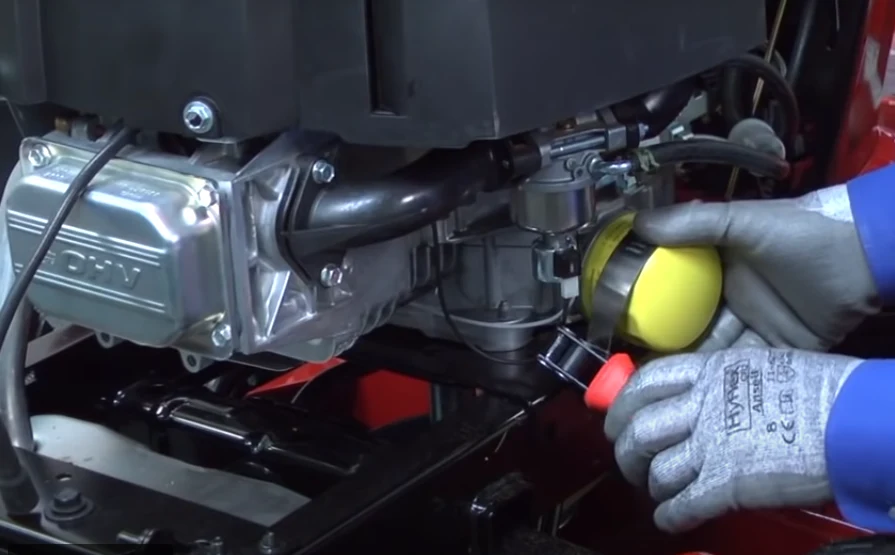
Get your riding lawn mower ready for summer with Sears Home Services.

With simple, regular maintenance, your mower will have your neighbors thinking the grass really is greener on the other side of their fence.
Whether it’s time to break out the riding mower at the start of the mowing season, or it’s time to give it a rest at the end of the season, make sure it’s ready to do the job when you need it to. Ed Rzasa, subject matter expert for lawn and garden at Sears, offers these year-round riding mower maintenance tips.
KEY TAKEAWAYS
At the start of each season, giving the riding lawn mower a tune up and performing basic lawn mower maintenance will ensure your mower is ready to tackle the new grass growth.
Give your riding mower a good cleaning.
Use compressed air or a leaf blower and blow out the old grass clippings, dirt, and debris from the mower deck and the mower’s engine. Do this before the first use and after every use during the season. The debris that accumulates can interfere with the operation of the mower blades and riding mower. Some mower decks have a port to attach a garden hose for cleaning.
Replace the fuel with clean, fresh fuel.
Did you store the mower with gas in it? If so, drain the old fuel into a red gasoline can and follow hazardous waste disposal regulations. Remember to also change the fuel filter.
Change the oil and oil filter.
Perform an oil change at the beginning of the season – more often in dustier areas. Drain the engine oil following the instructions in your owner’s manual then replace it with new oil, and change the oil filter too. Check the oil before every use. Tip: Let the mower run for a bit before changing the oil. And make sure to wipe up any spills on the engine.
Clean or replace the air filter.
Check your owner’s manual to find out how often you should replace the air filter, but before you start mowing, make sure the air filter is clean; if it’s not, replace it. Between changings, you can clean a foam air filter with soap and water. Make sure it’s dry before reinstalling. Replace a paper air filter when it’s dirty.
Change the spark plugs.
As part of an engine tune up, replace the spark plugs. This simple but crucial task will help the mower start smoothly and run more efficiently. Tip: Order lawn mower replacement parts, or play it safe and call in the pros at Sears Home Services.
Check the tires and the mower deck and drive belts.
Make sure the tires are inflated to the recommended air pressure listed on the sidewall of the tires, and visually inspect the blade and ground drive belts for wear. Replace the belt if it’s broken.
Sharpen the mower blades and make sure they’re properly balanced.
You can DIY blade sharpening if you’ve got a vice and a sharpener – just be sure to wear sturdy gloves and eye protection, and make sure the blades are properly balanced. Or play it safe and call in the pros.
Determine a maintenance schedule.
Maintenance during the mowing season is crucial to the lifespan of a riding mower. Brands differ on when’s the best time to care for your mower – from every 25 to 50 hours of use. Get out your owner’s manual and follow the recommended timetable.
As the mowing season draws to a close, taking the time to properly care for your mower is a crucial step in ensuring its longevity and optimal performance. Tending to your mower's needs after its hard work throughout the mowing season will pay off in spades when spring rolls around again. By addressing key lawn mower maintenance tasks now, you'll not only protect your investment but also set the stage for a seamless start to the next mowing season, allowing your trusty machine to once again transform your lawn into a verdant oasis.
Before you store your riding mower for winter, most manufacturers recommend running the engine until the fuel tank is empty. This will protect your fuel tank from corrosion. If you do store the mower with fuel in the tank, add a fuel stabilizer to the gas to keep the fuel from degrading.
Lubricate moving parts of the mower with a grease gun to prevent wear and tear, and then lubricate the engine cylinders by removing the spark plugs and squirting an ounce of oil into each plug socket. Reinstall the spark plugs (leave the wires disconnected) and then crank the engine a few times to distribute the oil.
Check your owner’s manual for recommendations for battery storage or other steps you should take to protect your mower during its winter hibernation.
There are many issues that could prevent the riding lawn mower from starting - everything from stale gas to ignition switch problems.
First check that the power take off (PTO) or blades aren’t engage; the mower won’t start if they are. Also ensure the spark plugs are good and that the gap is properly set. Adjust the spark plugs or replace them if needed. Inspect the plug wires for signs of any damage.
If the engine spins but won’t start, it’s possible a dirty carburetor is preventing fuel from reaching the engine. Before replacing the carburetor, make sure the air filter isn’t dirty and that the fuel is fresh. Also make sure the fuel filter isn’t clogged and that the fuel lines are okay. Check the fuel solenoid wire connections to ensure they haven’t come loose.
If the mower is completely dead, check the battery to ensure it’s connected and charge it if necessary. If it’s not completely charged after hours, you should replace the battery.
Excessive vibration from the mower deck could be caused by damaged lawn mower blade. Check the blades, and also make sure they’re properly balanced.
Inspect the deck belt, pulley and mandrels for damage or wear. Worn belts, pulleys and mandrels will cause the mower deck to vibrate. Also check for debris caught inside a pulley and clean it away if needed.
Loose bolts or nuts on the pulleys and mandrels can also cause vibration, so re-tighten any loose fittings.
First make sure your mower deck is level. Your owner’s manual should have instructions on how to level the mower deck.
You can sometimes determine the cause for an uneven cut by examining the pattern of the cut. If it looks like slanted stair steps, check the tire pressure on your mower and make sure they’re inflated to the proper air pressure. Alternating stripes of taller and shorter grass could simply be mowing too fast, so slow down a bit. If that doesn’t fix it, sharpen or replace the blades (dull blades can also create tattered or ragged grass tips).
When it comes to riding lawn mower problems, Sears Home Services is here to help. Our exceptional team of highly skilled technicians offers comprehensive expertise to diagnose and fix the most complex riding mower issues.
As a trailblazer in the repair realm, we continue to set the standard for excellence. If you need riding mower repair, schedule riding lawn mower repair with one of our local experts today.
Maximize the efficiency and longevity of your riding mower with our professional maintenance service, tailored to keep your lawn looking pristine all season long.
Loading scheduler options...
Get your riding lawn mower ready for summer with Sears Home Services.

Learn how to sharpen a lawn mower blade with our step-by-step guide.

Discover the Pros and Cons: Are Battery-Powered Riding Mowers Better than Gas Mowers?

Discover the 4 essential maintenance tasks to extend the life of your riding lawn mower.
A dishwasher basket is a removable container designed to securely hold small items like cutlery and utensils during the wash cycle, ensuring efficient cleaning without loss or damage.
A dishwasher end panel is a finishing piece installed on the exposed side of a dishwasher, primarily when it is at the end of kitchen cabinetry, to ensure a seamless and aesthetically pleasing look in the kitchen.
ENERGY STAR appliances are energy-efficient products that meet the strict energy efficiency specifications set by the U.S. Environmental Protection Agency or the U.S. Department of Energy. These appliances are designed to use less energy and water, leading to cost savings and a reduced environmental impact.
Hard water is water that contains high levels of dissolved minerals, particularly calcium and magnesium. It contrasts with soft water, which has lower concentrations of these minerals.
When your Payne central air conditioner won’t turn on or isn’t cooling, check for power problems, a failed capacitor, or a clogged condensate drain. This guide covers quick, safe troubleshooting steps and explains when to call Sears Home Services for expert central AC repair.
When your ICP central air conditioner won’t turn on or isn’t cooling, check for power problems, a failed capacitor, or a clogged condensate drain. This guide covers quick, safe troubleshooting steps and explains when to call Sears Home Services for expert central AC repair.
When your Heil central air conditioner won’t turn on or isn’t cooling, check for power problems, a failed capacitor, or a clogged condensate drain. This guide covers quick, safe troubleshooting steps and explains when to call Sears Home Services for expert central AC repair.
When your Carrier central air conditioner won’t turn on or isn’t cooling, check for power problems, a failed capacitor, or a clogged condensate drain. This guide covers quick, safe troubleshooting steps and explains when to call Sears Home Services for expert central AC repair.
When your Comfortmaker central air conditioner won’t turn on or isn’t cooling, check for power problems, a failed capacitor, or a clogged condensate drain. This guide covers quick, safe troubleshooting steps and explains when to call Sears Home Services for expert central AC repair.
When your Ruud central air conditioner won’t turn on or isn’t cooling, check for power problems, a failed capacitor, or a clogged condensate drain. This guide covers quick, safe troubleshooting steps and explains when to call Sears Home Services for expert central AC repair.