 Appointment Lookup
 213-596-2538

Discover effective stain removal hacks tested with common household ingredients to tackle grease, grass, and ink stains.
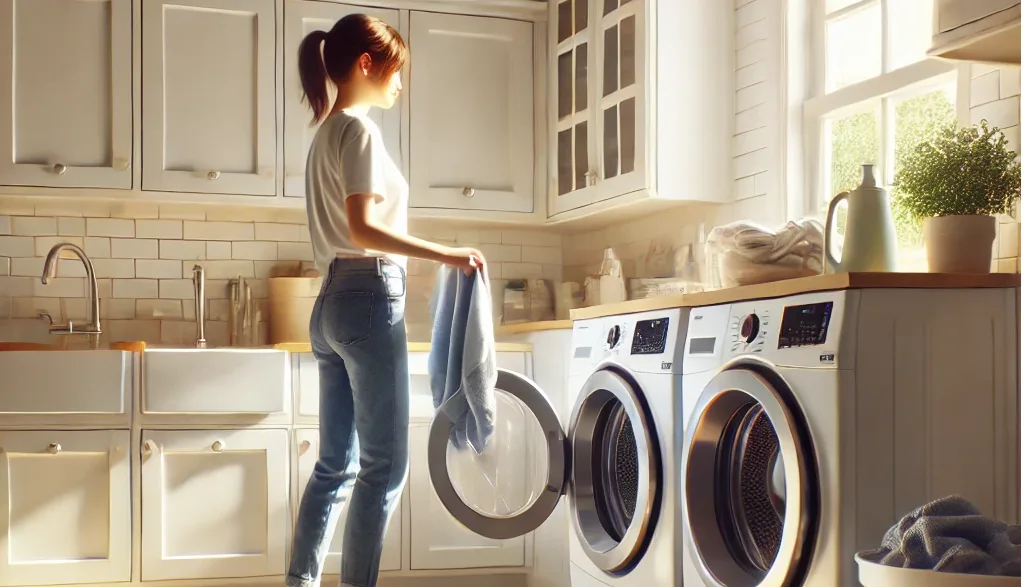
A washing machine is one of the most essential appliances in your home, but it requires regular maintenance to perform efficiently and avoid costly repairs.
One often-overlooked task is cleaning the washing machine filter. Whether you own a top-load or front-load washer, keeping the lint filter or drain pump filter clean is critical for preventing clogs, improving performance, and extending the life of your appliance.
In this guide, we’ll show you how to locate the filter and walk you through the cleaning process step by step.
KEY TAKEAWAYS
Over time, washing machine filters collect lint, debris, and detergent residue.
If left unchecked, these buildups can clog the filters, leading to poor drainage, longer wash cycles, unpleasant odors, and even damage to the washer’s internal components. Ignoring washer filter cleaning can lead to costly breakdowns or even premature replacement of your appliance.
Performing regular washer filter cleaning ensures your machine runs smoothly, uses energy efficiently, and delivers clean, fresh laundry every time.
Many top-load washing machines don’t have a lint filter. They use a larger wash tub drain opening and more powerful drain pump to effectively remove lint from the spin basket and washer tub through the drain system with no need for a lint filter.
Check the owner’s manual to see whether your washing machine has a lint filter. If it does, the owner’s manual will show the location of the filter and provide cleaning instructions.
When a top-load washing machine does have a lint filter, it will often be in one of these locations:
Follow the instructions shown in the owner’s manual for your washing machine to clean the lint filter.
Here are some images that show the location of the lint filter in some types of current top-load washers:
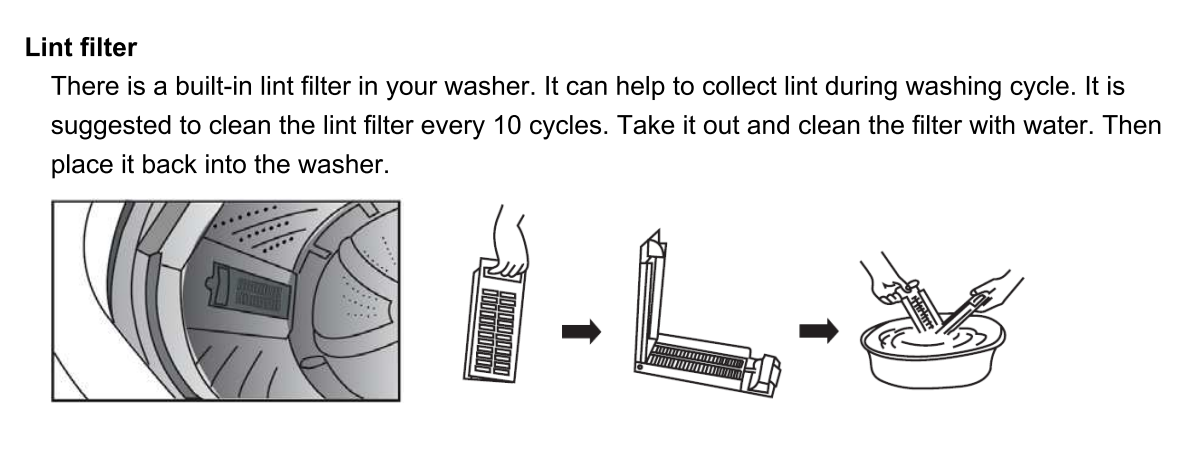

Here are general steps to clean the lint filter in common top-load washing machines:
The drain pump filter in a front-load washer is designed to catch coins, buttons, infant socks and other debris before they reach the pump.
The location of the drain pump filter is behind a small access door at the bottom of the front washer panel on many front-load washing machines. Here’s an image that shows that location:
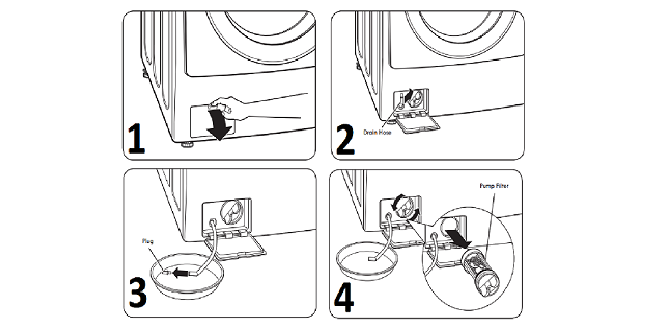
Here’s how to clean the drain pump filter in common front-load washers:
Clean the drain pump filter every 6 months to avoid draining issues and bad washer odors.
In some front-load washers, the drain pump filter is located behind the bottom front service panel on the front of the washer. Here’s a video that shows how to clean the drain pump filter on older Kenmore and Whirlpool HE front-load washers:
Have a service technician visit your home and perform washer maintenance and cleaning service if you’re unable to find or access the drain pump filter on your own.
Whether you have a front-load or top-load washing machine, scheduling annual professional washer maintenance and cleaning service will ensure that your machine runs efficiently for years to come.
During washer cleaning and maintenance service, our Sears Home Services technician will:
By incorporating regular professional maintenance by Sears Home Services into your washing machine care routine, you can enjoy the peace of mind that your washer is in top shape.
You can trust Sears Home Services to help you keep your washer and all your home appliances working more efficiently and lasting longer.
Increase the lifespan and performance of your washer with our comprehensive maintenance service, ensuring reliable laundry care and continued peace of mind.
Loading scheduler options...
Discover effective stain removal hacks tested with common household ingredients to tackle grease, grass, and ink stains.

Learn how to make any washer an energy efficient washer, and save money on your energy bills by using it the right way.

Discover simple solutions to eliminate detergent residue and ensure your laundry comes out clean and residue-free from your top-load washer.

Unpleasant odors in the laundry room can disrupt the tranquility of your home, signaling underlying issues that demand attention.
The drum is the core part of the washer that holds your laundry and enables the cleaning process through rotation, agitation, and rinsing.
Hard water is water that contains high levels of dissolved minerals, particularly calcium and magnesium. It contrasts with soft water, which has lower concentrations of these minerals.
A washing machine pedestal is a platform that raises the washer off the ground, providing easier access to the appliances and often includes additional storage space such as drawers.
A washer tub is the interior part of a washing machine where clothes are placed for washing, typically made of stainless steel, plastic, or porcelain-coated metal, designed to hold water and withstand the agitation or spinning during the wash cycle.
The most common reasons your LG washer is leaking from bottom are a clogged water valve assembly, broken motor or a cracked drain hose.
The most common reasons your GE washer won't start cycle are a malfunctioning electronic control board, jammed door lock assembly or a faulty user interface.
The most common reasons your Whirlpool washer is not rinsing are a faulty lid switch, a bad water-level pressure switch, or a defective timer.
The most common reasons your GE washer is not filling are a clogged water valve assembly, malfunctioning electronic control board or a bad water level pressure switch.
The most common reasons your Samsung washer top load is not filling with water are a clogged water valve, a malfunctioning PCB, or a cracked hose.
The most common reasons your Samsung washer is noisy are a damaged suspension rod, malfunctioning electronic control board or a broken motor.