 Appointment Lookup
 213-596-2538

Prepare your snow blower for the winter battle against snow-covered driveways and pathways with these essential repair tips.
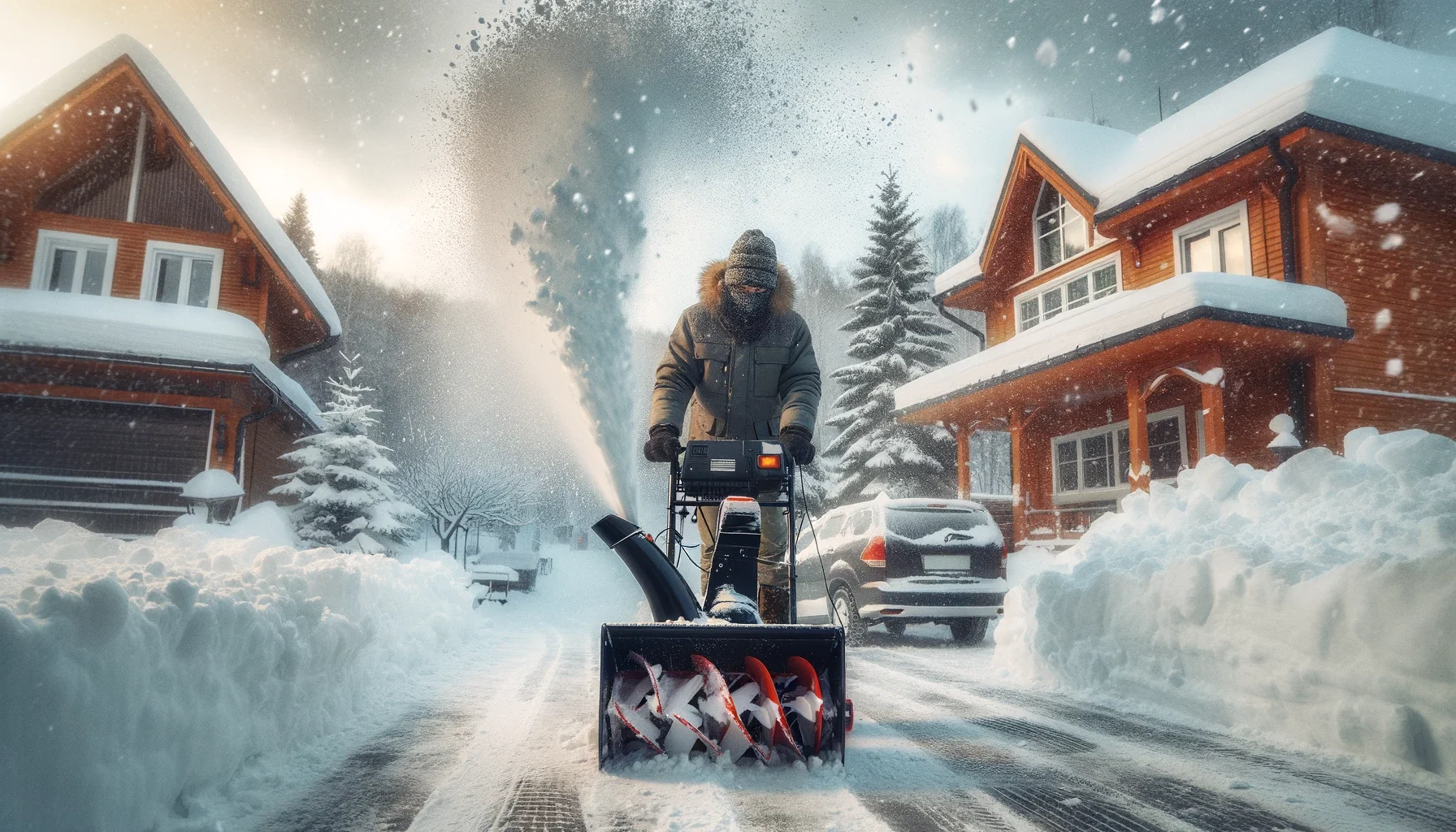
When winter knocks and snow starts to pile up, a reliable snow blower quickly becomes your new best friend. But with so many options available, choosing the best snow blower can feel overwhelming. Finding the perfect one is key to keeping snow drifts at bay and making it easier to tackle the challenges of winter weather.
KEY TAKEAWAYS
Choosing the right snow blower starts with understanding your specific snow clearing needs. Whether it's a small walkway or a large driveway, assessing the area, snowfall patterns, and frequency will guide you in selecting the most suitable machine.
The size and type of area you need to clear are important factors in determining the power and size of the snow blower.
Understanding your region's typical snowfall is key to choosing a snow blower that matches your needs.
How often it snows in your area will also influence your choice.

Understanding the various types of snow blowers available will help you make an informed decision. Snow blowers generally fall into three categories: single-stage, dual-stage, and three-stage. Each type is designed to handle specific conditions and has its own set of features and advantages.
Ideal for light to moderate snowfall, a single-stage snow blower is designed to clear snow in a single pass using an auger that both gathers and discharges the snow.
So, what's the difference between single and two-stage snow blowers? The addition of an impeller to throw the snow. Also known as a two-stage snow blower, this type is more powerful and built to tackle heavier snowfall and larger areas.
The three-stage snow blower represents the pinnacle of snow clearing technology, designed for the most demanding conditions.
Each type of snow blower has its unique strengths and is suited to different snow clearing needs. Whether you need a lightweight, easy-to-handle machine for occasional snow or a powerful tool for heavy-duty clearing, understanding these differences will help you choose the right one.
Selecting the best snow blower for your needs involves more than just choosing the type; it’s also about understanding the features that can enhance its performance and ease of use. These key features and factors can make a big difference in how effectively you manage winter snow.
Power steering is a valuable feature, especially when dealing with heavy and wet snow.
The ability to control where the snow goes makes efficient clearing easier.
Several additional features can further improve the usability and convenience of your snow blower:
Headlights:
Airless Tires:
Electric Starters:
Understanding these features and how they align with your snow clearing needs will help you choose a snow blower that not only meets but exceeds your expectations. Prioritizing the features that matter most to you ensures that you’re well-equipped to handle whatever winter throws your way.
Choosing the right snow blower starts with understanding your needs and matching them with the appropriate features and capabilities. Whether you opt for a single-stage, two-stage, or three-stage machine, making an informed choice will make your winter snow clearing tasks much easier. Keeping your snow blower in good condition through regular maintenance and timely repairs will help it perform at its best.
If you run into issues with your snow blower, Sears Home Services is ready to help. Our experienced professionals can handle any repair or maintenance needs, helping to prolong the life of your machine. Don’t let a malfunctioning snow blower slow you down—schedule a snow blower repair appointment with Sears Home Services today for peace of mind.
Our technicians have the training and experience to handle any snowblower issue quickly, ensuring your equipment is up and running in no time.
Loading scheduler options...
Prepare your snow blower for the winter battle against snow-covered driveways and pathways with these essential repair tips.

Get your snowblower ready for winter in 2026 with Sears Home Services.

Uncover the facts about how to use a snowblower and debunk common snowblower safety and use myths. Learn what you need to know to keep your snowblower running safely and efficiently this winter.

These essential maintenance tips will ensure your snow blower is ready to tackle the snow.
A snowblower auger is the spiral-shaped blade mechanism at the front of a snowblower that cuts through snow, breaking it up and directing it towards the chute for expulsion, playing a crucial role in the snow clearing process.
The drum is the core part of the washer that holds your laundry and enables the cleaning process through rotation, agitation, and rinsing.
The 608 Certification, mandated by the Environmental Protection Agency (EPA), is required for HVAC technicians to legally handle refrigerants. It ensures technicians understand refrigerant types, environmental impact, and proper handling techniques.
A compressor is a mechanical device that increases the pressure of a gas by reducing its volume, essential in various systems including refrigerators, air conditioners, and HVAC units for cooling and refrigeration processes.
When your Payne central air conditioner won’t turn on or isn’t cooling, check for power problems, a failed capacitor, or a clogged condensate drain. This guide covers quick, safe troubleshooting steps and explains when to call Sears Home Services for expert central AC repair.
When your ICP central air conditioner won’t turn on or isn’t cooling, check for power problems, a failed capacitor, or a clogged condensate drain. This guide covers quick, safe troubleshooting steps and explains when to call Sears Home Services for expert central AC repair.
When your Heil central air conditioner won’t turn on or isn’t cooling, check for power problems, a failed capacitor, or a clogged condensate drain. This guide covers quick, safe troubleshooting steps and explains when to call Sears Home Services for expert central AC repair.
When your Carrier central air conditioner won’t turn on or isn’t cooling, check for power problems, a failed capacitor, or a clogged condensate drain. This guide covers quick, safe troubleshooting steps and explains when to call Sears Home Services for expert central AC repair.
When your Comfortmaker central air conditioner won’t turn on or isn’t cooling, check for power problems, a failed capacitor, or a clogged condensate drain. This guide covers quick, safe troubleshooting steps and explains when to call Sears Home Services for expert central AC repair.
When your Ruud central air conditioner won’t turn on or isn’t cooling, check for power problems, a failed capacitor, or a clogged condensate drain. This guide covers quick, safe troubleshooting steps and explains when to call Sears Home Services for expert central AC repair.