 Appointment Lookup
 213-596-2538

Discover what the Seasonal Energy Efficiency Ratio (SEER) is and why it's crucial for assessing air conditioner efficiency.
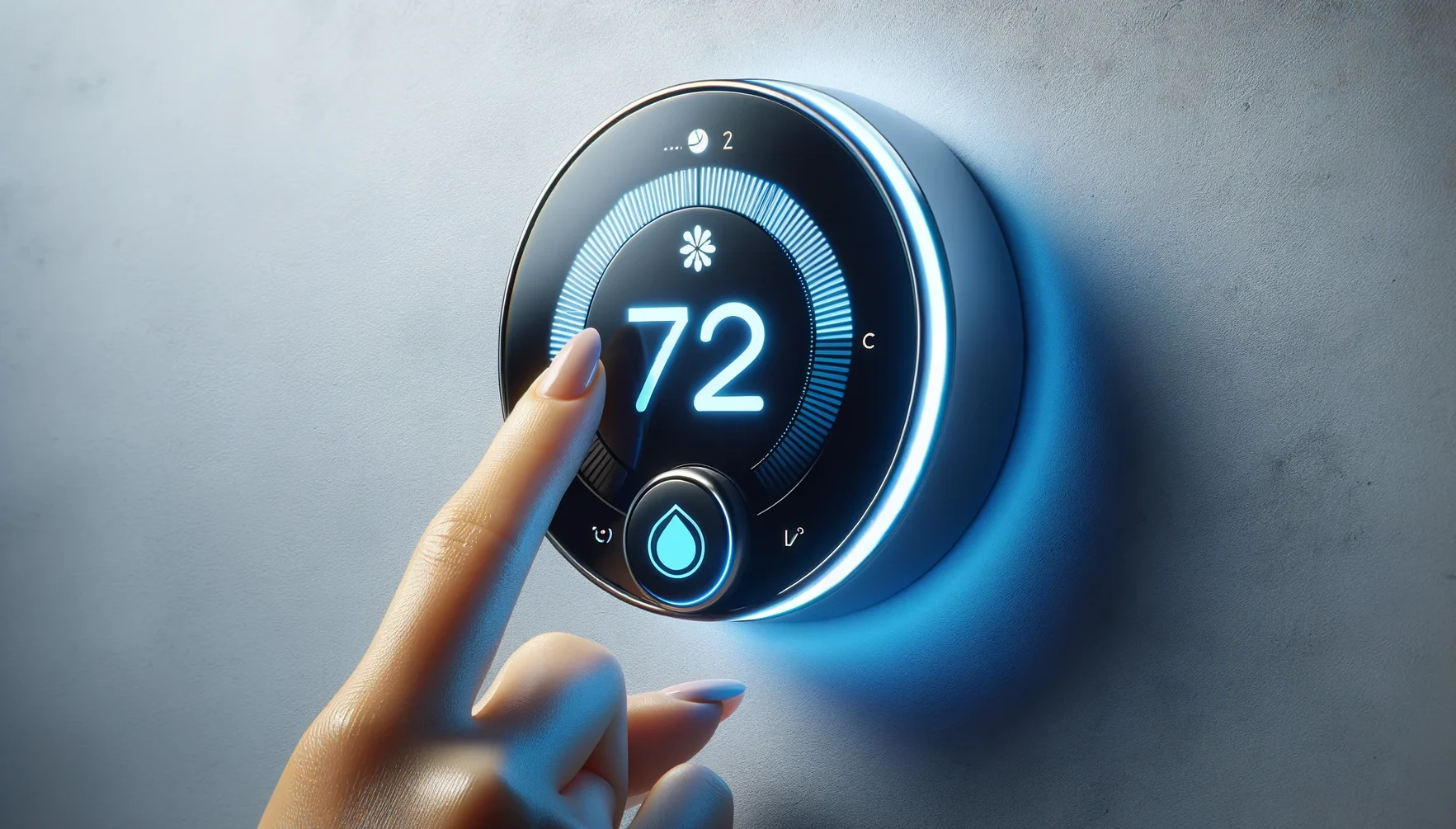
Air conditioners are essential for keeping your home cool and comfortable during hot summer months. But have you ever wondered how an air conditioner works? In this article, we will explore the inner workings of air conditioners and explain the basic principles behind their operation. Understanding how does AC work can help you better appreciate these cooling systems.
KEY TAKEAWAYS
Knowing the basics of the air conditioning cycle is crucial to grasp how these systems function. We will explain the role of refrigerant in air conditioning and how it plays a vital role in the cooling process. Additionally, we will discuss the different types of air conditioners available, so you can choose the one that best suits your needs.
Learning how an air conditioner works can help you appreciate their importance and make informed decisions about maintaining and optimizing their performance. You will also be well-informed about AC systems when you need to replace your air conditioner.
The components of an air conditioner work together to cool the air and create a comfortable indoor environment. Let's take a closer look at each of these components.
Air conditioners cool the air by removing heat from indoor spaces. Here's a simplified drawing and explanation of how this process works:

Understanding the basics of air conditioning helps you identify when your cooling system needs professional AC repair. Regular central air conditioner maintenance by a Sears Home Services professional can help you avoid AC system failures and ensure the unit’s optimal performance and energy efficiency, keeping your home cool and comfortable.
Refrigerant plays a essential role in the functioning of air conditioners. Let's explore what refrigerant is and how it works, as well as how it removes heat from the air.
Refrigerant is a specialized fluid used in air conditioning systems to facilitate the cooling process. It is a chemical compound that has the ability to change states between gas and liquid at low temperatures, making it ideal for transferring heat. The most commonly used refrigerants today are hydrofluorocarbons (HFCs), which are safer for the environment than older refrigerants like chlorofluorocarbons (CFCs).
The refrigeration cycle is the process by which air conditioners extract heat from indoor spaces and expel it outside. It begins with the compressor, which pressurizes the refrigerant gas, raising its temperature. The hot, high-pressure gas then flows to the condenser coil located outside the building. It comes into contact with cooler air as a fan blows outside air over the coil. The refrigerant releases heat and condenses into a high-pressure liquid in the condenser coils.
The high-pressure liquid refrigerant then moves into the expansion valve, where it undergoes a pressure drop. This causes the refrigerant to evaporate into a low-pressure gas, absorbing heat from the surrounding air as the gas flows through the evaporator. The cool gas then flows back to the compressor to start the cycle again.
By continuously cycling refrigerant through this process, air conditioners remove heat from indoor spaces, leaving behind cooler, more comfortable air. The refrigerant acts as a heat transfer medium, absorbing heat from the indoor air and releasing it outside, creating a cooler environment indoors. Understanding how air conditioner works involves recognizing the critical role of refrigerant in this cycle.
When it comes to cooling your home, there are several different types of air conditioners to choose from. Each type has its own unique features and benefits. Let's take a closer look at three popular types of air conditioners: central air conditioning systems, window air conditioners, and ductless mini-split air conditioners.
A central air conditioning system is designed to cool an entire house. It uses a network of ducts to distribute cool air throughout the home. The system consists of an outdoor unit, which houses the compressor and condenser, and an indoor unit that contains the evaporator and blower. Central air conditioning systems are known for their efficiency and ability to maintain a consistent temperature throughout the house.
Window air conditioners are a popular choice for cooling individual rooms or small spaces. These units are installed directly in a window or a hole in an exterior wall. Window air conditioners are compact and easy to install, making them a convenient option for homes without central air conditioning. They are also more affordable compared to other types of air conditioners.
Ductless mini-split air conditioners are a versatile cooling solution that does not require ductwork. They consist of an outdoor unit and one or more indoor units, which are mounted on the wall or ceiling. Each indoor unit can be controlled independently, allowing for personalized temperature settings in different areas of the house. Ductless mini-split systems are energy-efficient and provide quiet operation.
Whether you're looking to cool your entire home or just a single room, there is an air conditioner type that fits your needs. Consider the size of your space, your budget, and your cooling preferences when choosing the right air conditioner for your home.
Rely on our skilled technicians to diagnose and repair your HVAC equipment, ensuring optimal comfort in your home.
Loading scheduler options...
Discover what the Seasonal Energy Efficiency Ratio (SEER) is and why it's crucial for assessing air conditioner efficiency.

Learn how an air filter works in your HVAC system and how to choose the right filter.

Improve indoor air quality and protect your family's health with HVAC maintenance, air purifiers, and natural solutions like plants and proper ventilation.

Wondering what it costs to replace an air conditioner in 2026? This guide explains average replacement pricing, SEER2 efficiency costs, and how to decide whether to repair or replace your AC system.
The 608 Certification, mandated by the Environmental Protection Agency (EPA), is required for HVAC technicians to legally handle refrigerants. It ensures technicians understand refrigerant types, environmental impact, and proper handling techniques.
A compressor is a mechanical device that increases the pressure of a gas by reducing its volume, essential in various systems including refrigerators, air conditioners, and HVAC units for cooling and refrigeration processes.
A condenser is a component of HVAC and refrigeration systems, responsible for releasing absorbed heat from the refrigerant into the outside air or a water line, thus facilitating the cooling process.
A capacitor in an AC unit is an electrical component that stores and releases electrical energy to help start the motor and stabilize the voltage during operation.
When your Payne central air conditioner won’t turn on or isn’t cooling, check for power problems, a failed capacitor, or a clogged condensate drain. This guide covers quick, safe troubleshooting steps and explains when to call Sears Home Services for expert central AC repair.
When your ICP central air conditioner won’t turn on or isn’t cooling, check for power problems, a failed capacitor, or a clogged condensate drain. This guide covers quick, safe troubleshooting steps and explains when to call Sears Home Services for expert central AC repair.
When your Heil central air conditioner won’t turn on or isn’t cooling, check for power problems, a failed capacitor, or a clogged condensate drain. This guide covers quick, safe troubleshooting steps and explains when to call Sears Home Services for expert central AC repair.
When your Carrier central air conditioner won’t turn on or isn’t cooling, check for power problems, a failed capacitor, or a clogged condensate drain. This guide covers quick, safe troubleshooting steps and explains when to call Sears Home Services for expert central AC repair.
When your Comfortmaker central air conditioner won’t turn on or isn’t cooling, check for power problems, a failed capacitor, or a clogged condensate drain. This guide covers quick, safe troubleshooting steps and explains when to call Sears Home Services for expert central AC repair.
When your Ruud central air conditioner won’t turn on or isn’t cooling, check for power problems, a failed capacitor, or a clogged condensate drain. This guide covers quick, safe troubleshooting steps and explains when to call Sears Home Services for expert central AC repair.