 Appointment Lookup
 213-596-2538
Learn the truth about these common dryer myths so you can avoid problems and finish your laundry chores smoothly.
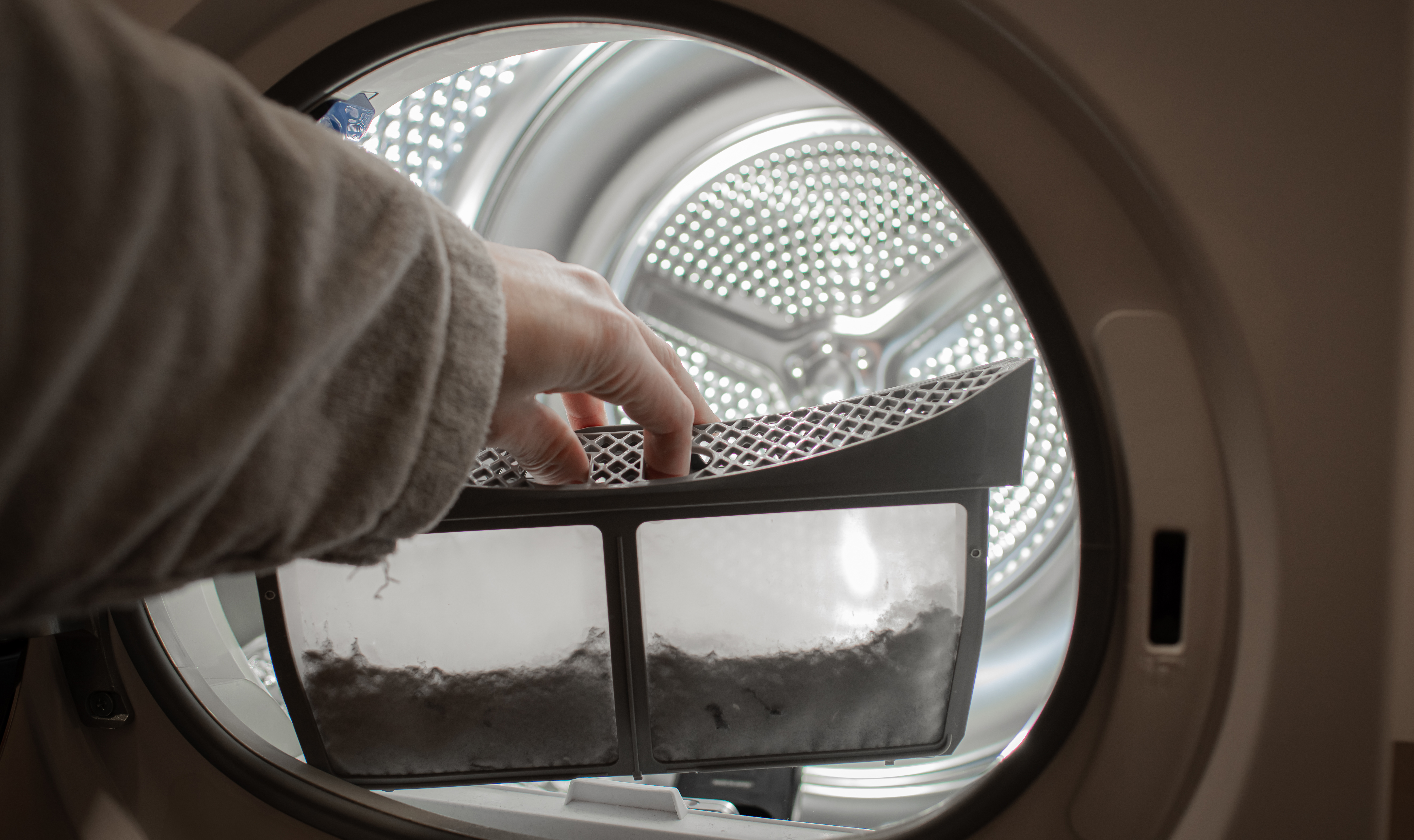
Dryers are a cornerstone of modern convenience, but their efficiency—and safety—rely heavily on one simple task: cleaning the lint screen filter after every use.
If you've ever wondered why that step matters or how to clean the dryer lint trap properly, you're in the right place. This essential maintenance chore doesn’t just keep your dryer running smoothly; it also prevents hazards and prolongs the appliance's lifespan. Let’s dive into the specifics.
KEY TAKEAWAYS
Every time your dryer runs, it pulls lint, fibers, and debris from your laundry. The lint screen, or lint trap, captures this material to prevent it from clogging your dryer vent system.
Here’s a diagram that shows the airflow through a common type of dryer:

While it might seem like a minor part of the drying process, neglecting to clean the lint trap screen can lead to major problems:
A clogged lint screen restricts airflow, forcing your dryer to work harder. This increases drying times and energy consumption, leading to higher utility bills.
Lint is highly flammable. Allowing it to accumulate in the lint trap—or worse, the vent or inside the dryer cabinet—significantly raises the risk of a dryer fire.
According to the National Fire Protection Association (NFPA), dryers account for thousands of home fires annually, with lint buildup being a leading cause.
Overloading the system with lint makes the motor, belt, and other components work overtime. This extra strain can lead to costly repairs or shorten the life of your appliance.
Cleaning the lint screen isn’t just about giving it a quick swipe with your fingers. To maintain peak dryer performance, you need to follow these steps regularly:
Locate the lint screen, typically near the door or on top of the dryer. Pull it out carefully to avoid dropping lint into the slot.
Using your hand or a soft brush, gently peel or roll away the accumulated lint. Dispose of it in the trash, not down the sink or toilet, to avoid clogs.
Every few loads, give the lint screen a thorough cleaning to remove residue left behind by fabric softeners or dryer sheets. Follow these steps:
Here’s a short video that shows more details for washing the dryer lint trap screen:
Inspect the lint screen for holes or tears that could allow debris into the vent system. Replace it immediately if you find any damage.
Use a vacuum with a hose attachment to remove lint from the trap housing. This step helps clear any debris that escaped the screen and reduces the risk of clogs in the vent.
Over time, residue from laundry products such as dryer softener sheets coats the lint screen, reducing its ability to catch lint effectively.
A simple rinse won't always cut it, which is why scrubbing it with soap is essential. This practice restores the screen’s ability to do its job, ensuring maximum airflow and safety.
Cleaning the lint screen is just one part of keeping your dryer in top shape. To truly protect your appliance and home, take the additional dryer maintenance steps described in this video:
Schedule professional dryer maintenance and cleaning service yearly to have a Sears Home Services technician visit your home and clean lint from the inside of the dryer cabinet. During cleaning and maintenance service, the technician will clean and check all parts of the dryer and will let you know of any problems that need attention.
Follow these expert tips to help keep your dryer in top shape and lasting longer.
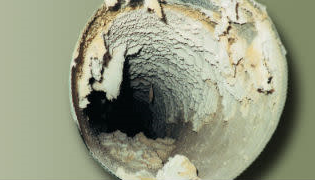
Hire a dryer vent cleaning professional to clean your dryer vent system annually, or more often if you do a lot of laundry. This prevents lint buildup from reaching dangerous levels.
Avoid overloading your dryer and clean out pockets before tossing clothes in to reduce the amount of debris.
Keep an eye out for warning signs like longer drying times, overheating, or a burning smell. These could indicate lint buildup or other issues.
Knowing how to clean and wash the dryer lint trap and making it a habit ensures your dryer operates efficiently and safely. Following the additional use and maintenance tips in this article can save you money, prevent fires, and extend the life of your appliance.
Make dryer maintenance and cleaning a non-negotiable part of your laundry routine—you’ll thank yourself in the long run. After all, a little time spent cleaning today beats dealing with costly repairs or dangerous accidents tomorrow.
Keep your dryer working efficiently and lasting longer with regular professional maintenance.
Loading scheduler options...
Learn the truth about these common dryer myths so you can avoid problems and finish your laundry chores smoothly.

Discover the importance of proper clothes dryer venting in your home.

Learn how to clean lint out of the dryer vent with our step-by-step guide.

Learn how to deep clean a dryer with expert tips from Sears Home Services.
A dryer drum is the main interior component of a clothes dryer where clothes are placed to be dried. It rotates during the drying cycle, allowing heated air to circulate through the clothes.
A dryer filter, commonly known as a lint filter, is a component of a clothes dryer that captures lint and other debris from clothes during the drying process, preventing them from clogging the dryer vent.
A dryer pedestal is a platform that elevates a dryer off the ground, making it easier to load and unload laundry while also providing additional storage space in some models.
A dryer rack is an accessory for clothes dryers that provides a stationary platform to dry items without tumbling, ideal for delicate or bulky items, or shoes that might be damaged by the usual drying cycle.
Whirlpool dryer not heating? Get expert Whirlpool dryer repair for gas and electric models. Fast, reliable service to restore heat today!
The most common reasons your Samsung dryer is blowing cold air are an open heating element, a failed thermal cut-off fuse, or a defective PCB.
The most common reasons your Bosch dryer is not drying are a clogged vent tube, open heating element or a bad wire connector.
The most common reasons your Hotpoint dryer is not heating are an open heating element, failed thermal cut-off fuse or a faulty thermal fuse.
The most common reasons your Maytag dryer has no heat are an open heating element, failed thermal cut-off fuse or a faulty thermal fuse.
The most common reasons your Samsung dryer has no heat are an open heating element, failed thermal cut-off fuse or a faulty thermal fuse.