 Appointment Lookup
 213-596-2538

Discover how thermostats work to control your home's comfort and energy use. Learn about types, programming tips, and maintenance for a more efficient home.
What Does HVAC Stand For?
What Is the Difference Between HVAC and AC?
How Does an HVAC System Work?
Components of an HVAC System
Types of HVAC Systems
Why Is HVAC Important?
HVAC Maintenance: Why It Matters
What Is an HVAC Technician?
Energy Efficiency Terms You Should Know
Conclusion
Frequently Asked Questions
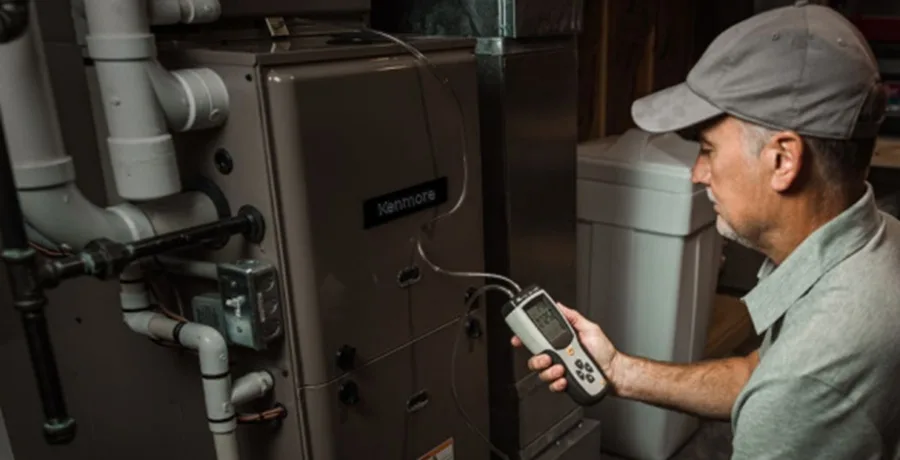
You’ve probably heard the term HVAC before—maybe from a contractor, a home improvement show, or while researching a repair. But what is HVAC, exactly?
In simple terms, HVAC refers to the systems that heat, cool, and ventilate your home. While most homeowners rely on their HVAC systems every day, many don’t fully understand how they work or what components are involved.
Understanding HVAC basics can help you make smarter decisions about maintenance, repairs, and even choosing a new HVAC system. With decades of experience serving homeowners nationwide, Sears Home Services has helped millions of families stay comfortable year-round. In this guide, we’ll define HVAC, break down its components, explain how it works, and show why regular maintenance matters.
For more foundational terminology, explore our guide to HVAC essentials.
KEY TAKEAWAYS
If you’ve ever wondered, “what does HVAC stand for?” the answer is straightforward: Heating, Ventilation, and Air Conditioning.

Each part plays a distinct role:
Together, these functions allow HVAC systems to maintain comfortable indoor environments throughout the year. When someone says “HVAC system,” they usually mean the complete heating and cooling setup in a home—not just one piece of equipment.
One of the most common questions homeowners ask is: Is HVAC the same as air conditioning?
The short answer is no.
Air conditioning (AC) refers only to the cooling portion of a home’s climate system. An HVAC system includes both heating and cooling, along with ventilation components that help maintain indoor air quality.
When people say “AC unit,” they’re typically talking about the outdoor condensing unit or central air system. When they say “HVAC unit,” they usually mean the entire heating and cooling system.
An HVAC technician is trained to work on both heating and cooling equipment, while some AC specialists focus primarily on cooling systems.
At its core, an HVAC system works by moving air, transferring heat, and controlling temperature through coordinated components. If you'd like a deeper dive, read more about how HVAC systems work.
Your heating system may use one of several methods:
Once heat is generated, warm air travels through ductwork and into each room. The thermostat monitors indoor temperature and signals the system to turn on or off as needed.
The ventilation system ensures continuous air circulation and improves indoor air quality. It:
Proper ventilation also prevents stale air buildup and supports energy efficiency by balancing airflow.
Air conditioning systems use a sophisticated process to regulate temperature, humidity, and air quality. Whether at home or in an office, air conditioners provide cool air by removing heat from the space and releasing it outside using refrigerant. The entire system relies on the refrigeration cycle, where different components work together to keep your indoor environment comfortable.
An air conditioning unit consists of several parts that work together to cool your home effectively. Each component plays a specific role in maintaining temperature and airflow:
Compressor: The compressor compresses the refrigerant, increasing its pressure and temperature. Once the refrigerant is pressurized, it flows through the system.
Condenser: The hot refrigerant gas moves to the condenser, where it releases heat to the outside air. As the refrigerant loses heat, it turns into a liquid.
Evaporator: Inside your home, the refrigerant passes through the evaporator coil, where it absorbs heat from the indoor air. This process cools the air as the refrigerant evaporates into a gas.
Expansion Valve: This valve regulates how much refrigerant enters the evaporator, ensuring proper cooling. It controls the flow of refrigerant, allowing the system to maintain a consistent indoor temperature.
Air Handler: The air handler circulates the cool air throughout your home through air ducts, distributing it evenly for maximum comfort.

The refrigeration cycle is the heart of air conditioning. It works by continuously transferring heat from inside the home to the outside. Here’s how the cycle functions step by step:
This cycle repeats until your thermostat reaches the desired temperature. Central air systems, split systems, and heat pumps all use variations of this process.
Most residential HVAC systems contain several key parts working together.
Ductless mini-split systems skip traditional ductwork and use indoor air handlers mounted in specific zones.
Understanding these components helps homeowners better maintain their HVAC systems and communicate clearly with an HVAC technician during service visits.
Not all HVAC systems are the same. Choosing the right HVAC system depends on climate, home size, and efficiency goals.
For more guidance, see our choosing the right HVAC system resource and our new HVAC system guide.
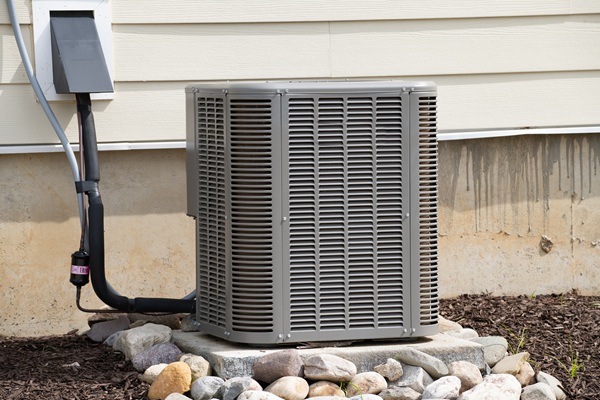
The most common HVAC setup in homes.

Uses one system for both heating and cooling. Reverses the refrigerant flow to switch heating/cooling modes.

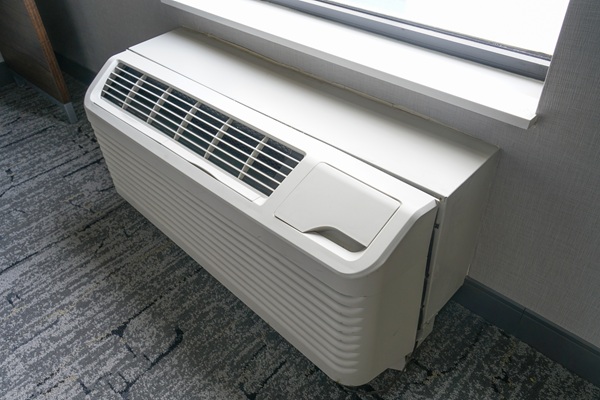
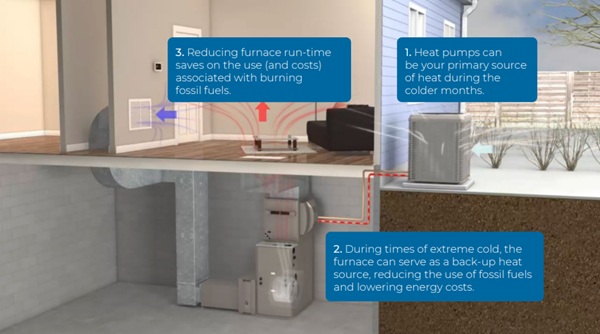
Each system type has unique installation and maintenance needs, which is why professional evaluation is important.
HVAC systems do far more than you may realize.
Without reliable HVAC systems, indoor environments would quickly become uncomfortable—and potentially unsafe.
Routine HVAC maintenance is one of the best investments you can make as a homeowner.
Regular HVAC maintenance service:
Basic HVAC maintenance tasks include:
• Changing air filters every 1–3 months
• Keeping the outdoor unit clear of debris
• Checking thermostat settings regularly
• Scheduling professional tune-ups in spring and fall
Sears Home Services offers nationwide HVAC maintenance service performed by factory-trained technicians. Scheduling preventative maintenance gets your heating system and cooling system ready before peak seasons hit.
Here are 2 brief videos by Sears HVAC Technician Lennie Arroyo providing more details about spring and fall HVAC maintenance by Sears Home Services:
Spring HVAC Maintenance Service Video
Fall HVAC Maintenance Video
You can also review these additional HVAC maintenance tips to keep your system running efficiently all year long.
Ready to protect your comfort? Schedule HVAC maintenance today.

An HVAC technician is a trained professional who installs, repairs, and maintains HVAC equipment.
These specialists are skilled in:
Unlike an AC-only specialist, an HVAC technician works on heating systems, heat pumps, boilers, air conditioning, and ventilation equipment.
Call an HVAC technician if:
Sears Home Services technicians are factory-trained and provide service in communities across the country.
Understanding efficiency ratings helps homeowners compare HVAC systems.
Higher ratings generally mean greater energy efficiency and lower operating costs.
So, what is HVAC? It’s the complete system responsible for heating, ventilation, and air conditioning in your home. Understanding HVAC meaning and components helps you maintain your system properly and make informed decisions about repairs or upgrades.
Routine maintenance by HVAC professionals protects energy efficiency, extends equipment life, and prevents costly breakdowns. If your system needs service, schedule HVAC repair with Sears Home Services. If your system needs replacement, our technician will help you set up HVAC installation.
For added peace of mind, explore a Sears Protect home warranty plan designed to help cover essential home systems including your heating & cooling unit.
HVAC checkups from Sears Home Services help keep your heating and cooling system running at its best. Prevent costly repairs and can make your HVAC system more energy efficient with routine maintenance.
Loading scheduler options...
Discover how thermostats work to control your home's comfort and energy use. Learn about types, programming tips, and maintenance for a more efficient home.
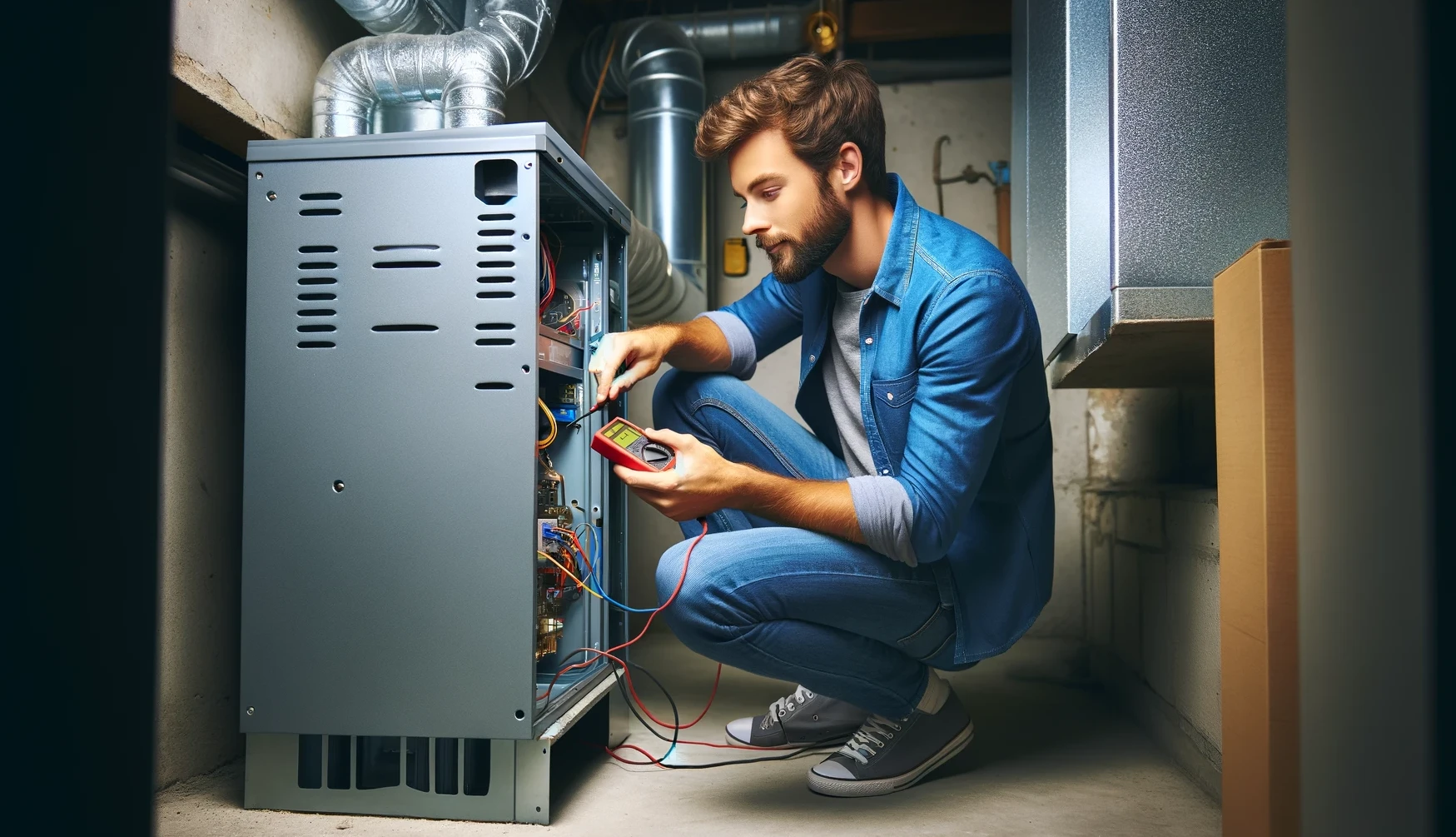
Get expert tips on preparing your furnace for the cold winter months.

Perform these home maintenance tasks to help you enjoy a stress-free school year.

Understanding the various AC air filter ratings helps you determine which type of filter is right for your home.
The 608 Certification, mandated by the Environmental Protection Agency (EPA), is required for HVAC technicians to legally handle refrigerants. It ensures technicians understand refrigerant types, environmental impact, and proper handling techniques.
A compressor is a mechanical device that increases the pressure of a gas by reducing its volume, essential in various systems including refrigerators, air conditioners, and HVAC units for cooling and refrigeration processes.
A condenser is a component of HVAC and refrigeration systems, responsible for releasing absorbed heat from the refrigerant into the outside air or a water line, thus facilitating the cooling process.
A capacitor in an AC unit is an electrical component that stores and releases electrical energy to help start the motor and stabilize the voltage during operation.
When your Payne central air conditioner won’t turn on or isn’t cooling, check for power problems, a failed capacitor, or a clogged condensate drain. This guide covers quick, safe troubleshooting steps and explains when to call Sears Home Services for expert central AC repair.
When your ICP central air conditioner won’t turn on or isn’t cooling, check for power problems, a failed capacitor, or a clogged condensate drain. This guide covers quick, safe troubleshooting steps and explains when to call Sears Home Services for expert central AC repair.
When your Heil central air conditioner won’t turn on or isn’t cooling, check for power problems, a failed capacitor, or a clogged condensate drain. This guide covers quick, safe troubleshooting steps and explains when to call Sears Home Services for expert central AC repair.
When your Carrier central air conditioner won’t turn on or isn’t cooling, check for power problems, a failed capacitor, or a clogged condensate drain. This guide covers quick, safe troubleshooting steps and explains when to call Sears Home Services for expert central AC repair.
When your Comfortmaker central air conditioner won’t turn on or isn’t cooling, check for power problems, a failed capacitor, or a clogged condensate drain. This guide covers quick, safe troubleshooting steps and explains when to call Sears Home Services for expert central AC repair.
When your Ruud central air conditioner won’t turn on or isn’t cooling, check for power problems, a failed capacitor, or a clogged condensate drain. This guide covers quick, safe troubleshooting steps and explains when to call Sears Home Services for expert central AC repair.