 Appointment Lookup
 213-596-2538

Learn how a garbage disposal works, with tips on usage, maintenance, and troubleshooting to keep your kitchen clean and disposal running smoothly.

A clogged garbage disposal disrupts kitchen routines and can lead to unpleasant odors and stagnant water in the sink.
Addressing this issue promptly and effectively is crucial to keeping your kitchen functional and hygienic.
Follow these five targeted steps to unclog your disposal and restore its performance without unnecessary hassle.
KEY TAKEAWAYS

Before doing anything, disconnect the power supply to your garbage disposal. Locate the unit's plug under the sink and unplug it, or switch off the corresponding circuit breaker.
This precaution eliminates any risk of electrical shock or accidental activation while you work.
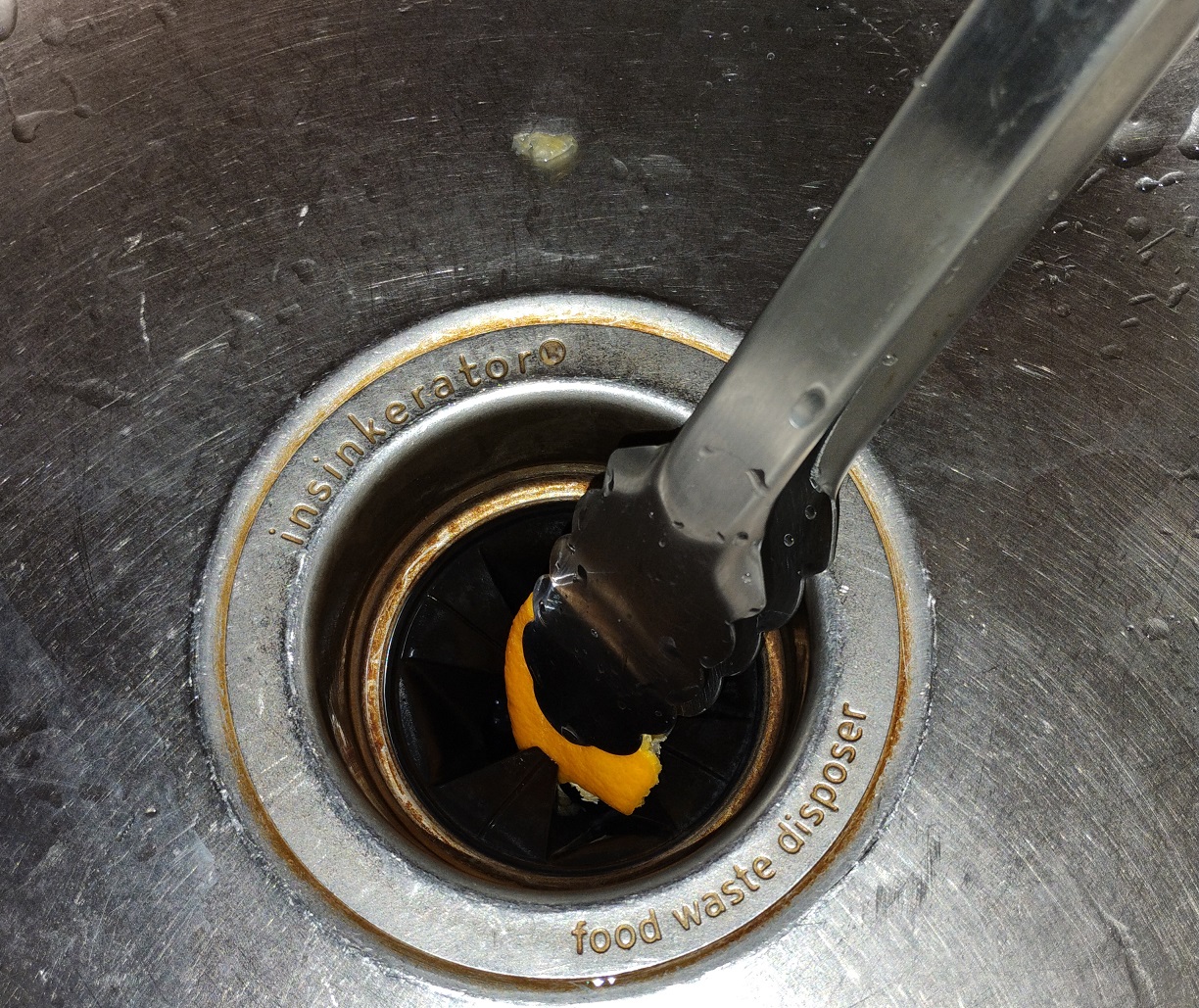
Inspect the sink to identify the source of the clog.
Remove visible food particles or debris with tongs or a pair of pliers. Avoid using your hands to prevent injury from the disposal's sharp blades.
If standing water is present, use a small cup or turkey baster to remove as much as possible, creating a clearer workspace.

Many disposals feature a hex-shaped hole at their base for manual operation.
Insert a 1/4-inch Allen wrench (or the Allen wrench tool that came with your disposal) into the socket and turn it back and forth.
This motion can dislodge jammed materials by manually rotating the disposal's impellers.
Apply steady pressure without forcing the wrench to avoid damaging internal components.
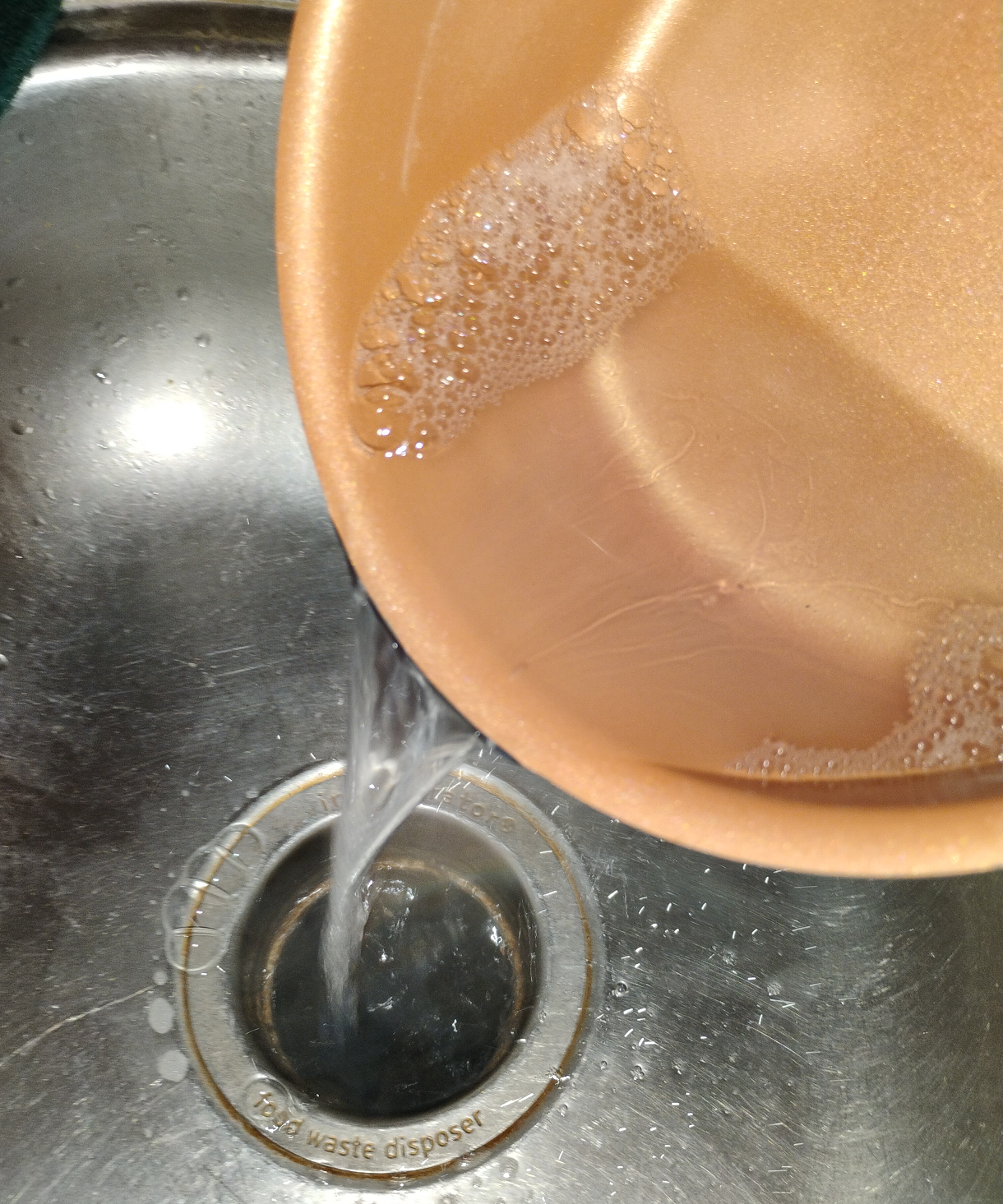
Once you’ve addressed the mechanical obstruction, flush the drain with boiling water and a squirt of dish soap. Pour the water slowly to prevent splashing and repeat as necessary to clear the pipe.
The hot water dissolves grease and fat, while the soap helps dislodge smaller debris.
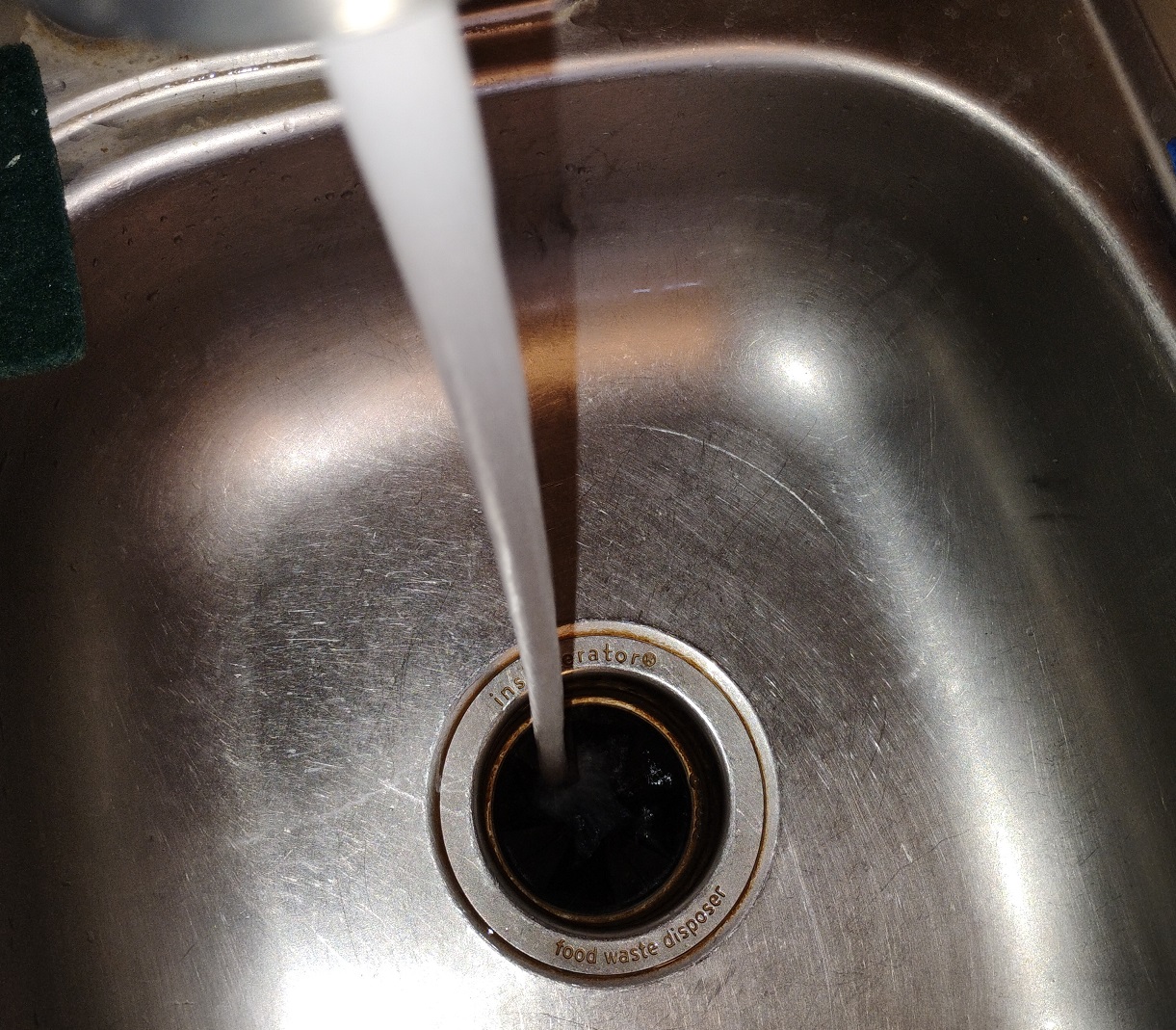
After clearing the clog, reconnect plug the power cord back in or reset the house circuit breaker to restore electrical power to the disposal.
Run cold water and briefly activate the unit to confirm smooth operation.
If you turn on the garbage disposal switch but the motor doesn’t run, you may need to reset the motor.
Locate the red reset button at the base of the disposal, press it firmly, and try again.

If the garbage disposal hums without spinning, an item is still jammed in the blades or you may need to replace the disposal.
To avoid repeated clogs, remember these essential maintenance tips:
Unclogging a garbage disposal doesn’t have to be a daunting task. With the right tools and a methodical approach, you can resolve the issue quickly and get back to your daily activities.
A little maintenance and mindful usage can go a long way in preventing future disruptions.
By following these steps, you not only ensure the longevity of your disposal but also maintain a cleaner, more efficient kitchen.
Unplug the garbage disposal and clear out food and debris from the hopper using tongs. Press the motor reset button. Use the Allen wrench tool that came with the disposal to rotate the blades back and forth to free up any jammed blades. Use a wooden spoon handle to push loose jammed blades from the top of the disposal through the hopper. Plug the power cord back in. Run cold water through the disposal hopper and turn it on to spin the disposal blades. Repeat the above steps if the disposal is still clogged or jammed.
Unplug the garbage disposal and use the Allen wrench tool that came with the disposal to rotate the jammed disposal blades back and forth to free them up. Pull the item that jammed the disposal out of the hopper using tongs or pliers. If you can’t free up the jam using the Allen wrench tool, unplug the power cord and stick a large wooden spoon handle down into the hopper. Push the blades to free up the jammed item through the top of the disposal. Pull the item out using pliers or tongs and then restore power and test the disposal. If you can unjam the garbage disposal, you may have to replace it.
Clogged kitchen sink drain pipes can cause water to back up in your garbage disposal. Clearing the clog in the pipes would fix that issue. A jammed or clogged garbage disposal would also cause water to back up on that side of your kitchen sink. Unplug the garbage disposal power cord. Clear food and debris out of the garbage disposal hopper using tongs. If the garbage disposal blades are jammed, free up the jam using the Allen wrench tool to manually spin the blades from the bottom of the disposal. You can also use the handle of a large wooden spoon to free up jammed blades from the top of the disposal through the hopper. Plug the disposal power cord back and in run the disposal to see if you cleared the clog.
The blades of the disposal are likely jammed. Unplug the garbage disposal and use the Allen wrench tool to manually rotate the blades back and forth from the bottom of the disposal to clear the jam. When you can spin the blades freely using the Allen wrench, plug the garbage disposal power cord back in and see if it runs properly. If not, you’ll likely need to replace the disposal because the motor is bad.
Trust our experienced technicians to repair your garbage disposal promptly, regardless of where you bought it.
Loading scheduler options...
Learn how a garbage disposal works, with tips on usage, maintenance, and troubleshooting to keep your kitchen clean and disposal running smoothly.

Find out how much plumbers typically charge to replace a garbage disposal.

Learn how to fix a garbage disposal with expert tips from Sears Home Services.

Learn why your garbage disposal stinks. Get expert tips on getting rid of smells and preventing them from returning.
A continuous feed garbage disposal is a kitchen appliance designed to grind up food waste while the disposal is running, allowing for a steady stream of waste to be disposed of as water runs through the unit. It's the most common type of garbage disposal due to its convenience and ease of use.
A garbage disposal is a device installed under a kitchen sink that shreds food waste into small enough pieces to pass through plumbing, facilitating an easier and more hygienic kitchen waste management process.
The drum is the core part of the washer that holds your laundry and enables the cleaning process through rotation, agitation, and rinsing.
The 608 Certification, mandated by the Environmental Protection Agency (EPA), is required for HVAC technicians to legally handle refrigerants. It ensures technicians understand refrigerant types, environmental impact, and proper handling techniques.
When your Payne central air conditioner won’t turn on or isn’t cooling, check for power problems, a failed capacitor, or a clogged condensate drain. This guide covers quick, safe troubleshooting steps and explains when to call Sears Home Services for expert central AC repair.
When your ICP central air conditioner won’t turn on or isn’t cooling, check for power problems, a failed capacitor, or a clogged condensate drain. This guide covers quick, safe troubleshooting steps and explains when to call Sears Home Services for expert central AC repair.
When your Heil central air conditioner won’t turn on or isn’t cooling, check for power problems, a failed capacitor, or a clogged condensate drain. This guide covers quick, safe troubleshooting steps and explains when to call Sears Home Services for expert central AC repair.
When your Carrier central air conditioner won’t turn on or isn’t cooling, check for power problems, a failed capacitor, or a clogged condensate drain. This guide covers quick, safe troubleshooting steps and explains when to call Sears Home Services for expert central AC repair.
When your Comfortmaker central air conditioner won’t turn on or isn’t cooling, check for power problems, a failed capacitor, or a clogged condensate drain. This guide covers quick, safe troubleshooting steps and explains when to call Sears Home Services for expert central AC repair.
When your Ruud central air conditioner won’t turn on or isn’t cooling, check for power problems, a failed capacitor, or a clogged condensate drain. This guide covers quick, safe troubleshooting steps and explains when to call Sears Home Services for expert central AC repair.