 Appointment Lookup
 213-596-2538
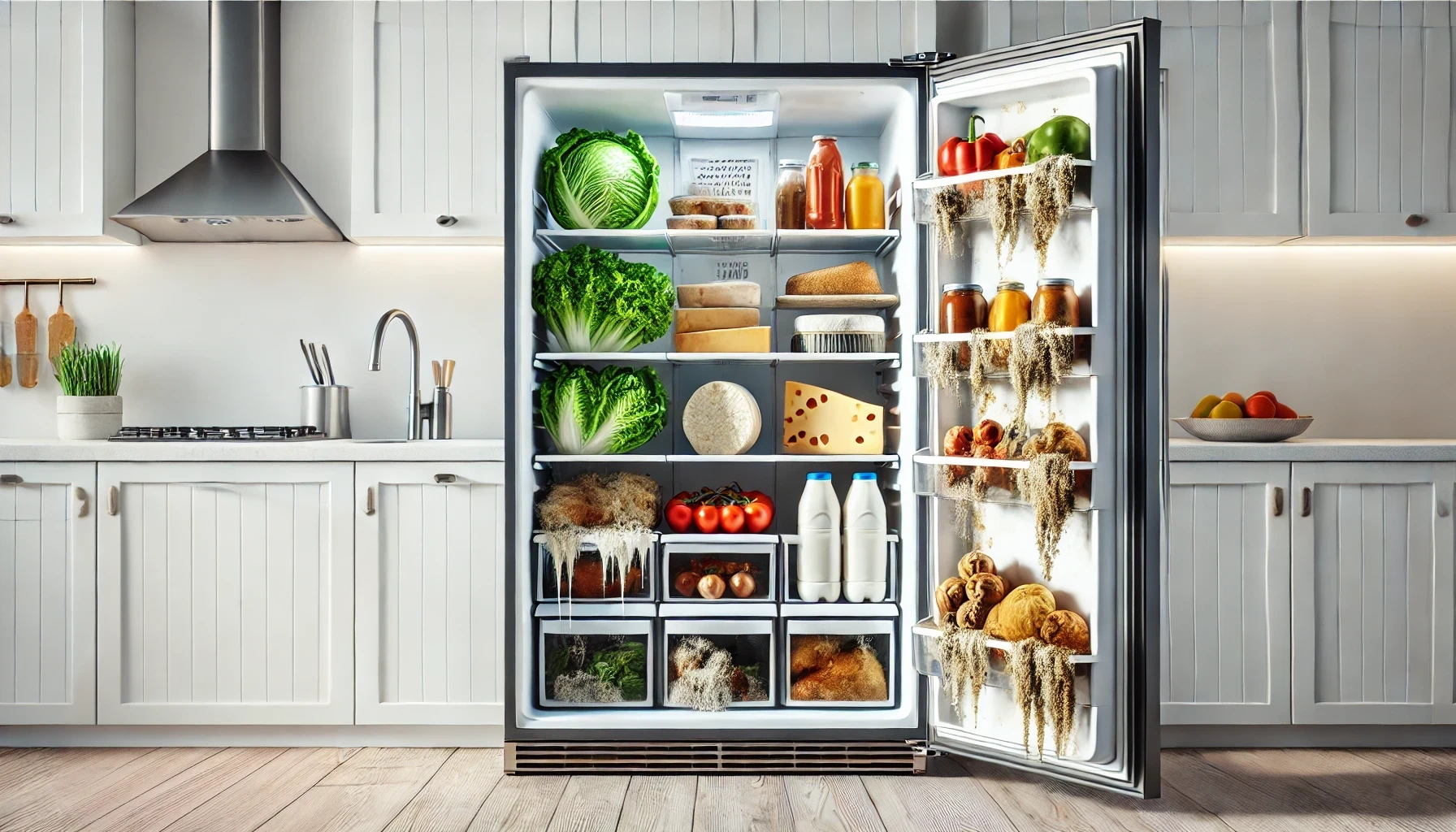
Discover the top 10 refrigerator and freezer hacks to keep your food safe, save energy, and extend appliance lifespan with easy, actionable tips!

Have you noticed your Whirlpool refrigerator not cooling as well as it used to? Take a peek at the underside; you'll likely find a fuzzy blanket of dust covering the coils. Cleaning the refrigerator coils is the solution. Over time, dust, grime, and debris can accumulate on the coils, hindering the refrigerator's performance and energy efficiency. Regular maintenance, including cleaning the refrigerator coils, is a must for keeping your appliance running smoothly. By keeping the coils clean, you'll improve airflow, prevent blockages, and help your refrigerator operate at peak efficiency. Discover why this task is so important, how often it should be done, and the best way to clean those coils for optimal performance.
KEY TAKEAWAYS
Understanding the significance of keeping your Whirlpool refrigerator coils clean is important for maintaining your appliance’s performance and longevity. Regular cleaning not only improves efficiency but also helps prevent potential issues that can arise from dirty coils.
Dirty coils can seriously impact your refrigerator’s efficiency. When dust and debris accumulate on the coils, they form an insulating layer that inhibits the coils’ ability to dissipate heat. This forces your refrigerator to work harder to maintain the desired temperature, leading to higher energy consumption. By regularly cleaning the coils, you can be certain your appliance operates efficiently, reducing energy costs and improving overall performance.
The performance of your refrigerator heavily relies on clean coils. Dirty coils can prevent proper temperature regulation, resulting in inconsistent cooling. This can lead to potential food spoilage, which not only wastes food but also affects your grocery budget. Keeping the coils clean helps maintain a steady temperature, keeping your food fresh and your refrigerator functioning at its best.
The lifespan of your Whirlpool refrigerator can be affected by the condition of its coils. When the coils are covered in dirt and grime, the compressor has to work harder, leading to increased wear and tear. This added strain can shorten the lifespan of your appliance and lead to costly repairs or replacements. Regular cleaning of the coils reduces the stress on the compressor, helping to extend the life of your refrigerator.
Dirty coils can lead to issues requiring professional repairs. Preventing dust and debris buildup minimizes the risk of problems like compressor failure. Regular maintenance, including coil cleaning, keeps your refrigerator in good working condition, reducing unexpected breakdowns and repair costs.
Understanding the importance of clean refrigerator coils highlights the need for regular maintenance. By keeping the coils clean, you boost efficiency, improve performance, extend the appliance’s lifespan, reduce repair risks, and save on energy costs. Make coil cleaning a routine part of your refrigerator maintenance to enjoy these benefits and ensure your appliance operates at its best.
Knowing when and how often to clean your Whirlpool refrigerator coils is just as important as understanding how to clean them. Regular maintenance and cleaning of these coils are important for the efficient functioning and longevity of your refrigerator.
As a general rule, it’s recommended to clean your refrigerator coils twice a year. This regular maintenance prevents dust and debris buildup, promoting efficient operation. In homes with shedding pets or in high-dust environments, more frequent cleaning may be necessary.
Several signs can indicate that your refrigerator coils need cleaning. If your refrigerator is louder than usual, it might be working harder to maintain temperature due to dirty coils. A sudden increase in your energy bill can also signal inefficient cooling caused by debris buildup. Temperature fluctuations might indicate blocked coils restricting airflow.
Determining if your Whirlpool refrigerator coils are dirty involves a simple inspection.
Regularly cleaning your refrigerator coils offers several benefits.
Regular maintenance and cleaning of your Whirlpool refrigerator coils are crucial for optimal performance and energy efficiency. By keeping the coils clean, you can avoid common issues such as increased noise, higher energy bills, and temperature fluctuations.
Keeping your Whirlpool refrigerator coils clean is easier when you have a proper game plan. Follow this detailed guide to clean your refrigerator coils effectively.
Gather the following tools and materials before you start:
Safety is important when cleaning refrigerator coils. Follow these precautions for a safe cleaning process:
With the necessary tools and safety measures in place, here’s how to clean the coils on your Whirlpool refrigerator:
By following these steps, you can ensure your Whirlpool refrigerator coils are cleaned efficiently, maintaining optimal performance and energy efficiency. Regular cleaning of the coils not only improves the appliance’s functionality but also extends its lifespan, saving you money on energy bills and potential repairs.
Maintaining your Whirlpool refrigerator’s coils is a must for keeping your appliance running efficiently and extending its lifespan. Regular cleaning not only improves performance but also reduces energy costs and prevents costly repairs. By following the steps outlined in this guide, you can keep your refrigerator operating at its best.
For those times when you prefer the assurance of professional service, our expert technicians are here to help. At Sears Home Services, we offer comprehensive refrigerator maintenance that includes cleaning coils, checking for potential issues, and ensuring optimal performance. Don’t wait for problems to arise—schedule routine refrigerator maintenance with us today and enjoy peace of mind knowing your appliance is in expert hands. Contact us now to book your appointment and keep your refrigerator in top condition year-round.
Extend the lifespan of your refrigerator and prevent unexpected and costly breakdowns with our routine maintenance service.
Loading scheduler options...
Discover the top 10 refrigerator and freezer hacks to keep your food safe, save energy, and extend appliance lifespan with easy, actionable tips!

Discover 10 surprising and easy solutions to eliminate gnats from your home for good—#6 will completely change the game!

Stay informed about food safety with our comprehensive food storage guidelines, covering everything from dairy to meat to vegetables.

Ensure your refrigerator's efficiency with regular maintenance. Learn 3 key reasons why it's important and get expert tips from Sears Home Services.
A compressor is a mechanical device that increases the pressure of a gas by reducing its volume, essential in various systems including refrigerators, air conditioners, and HVAC units for cooling and refrigeration processes.
A condenser is a component of HVAC and refrigeration systems, responsible for releasing absorbed heat from the refrigerant into the outside air or a water line, thus facilitating the cooling process.
A dual ice maker is a feature in some refrigerators that includes two separate ice makers: one in the fridge compartment and another in the freezer section. This setup doubles the appliance's ice-making capacity.
A French-door refrigerator features two doors that open side-by-side on the top section for the refrigerator compartment, with a bottom freezer drawer, combining style, efficiency, and easy access to both refrigerated and frozen goods.
The most common reasons your LG refrigerator icemaker reset button is not working are a faulty icemaker, a malfunctioning PCB, or a defective water valve.
The most common reasons your Samsung refrigerator is leaking water are a clogged defrost drain, cracked dispenser water tubing or a damaged evaporator.
The most common reasons your Kenmore Elite refrigerator stopped working are a locked compressor, damaged evaporator or a defective electronic control board.
The most common reasons your Maytag refrigerator stopped working are a locked compressor, damaged evaporator or a defective electronic control board.
The most common reasons your Kenmore refrigerator is noisy are a faulty ice maker assembly, defective electronic control board or a locked compressor.
The most common reasons your Kenmore refrigerator fan is not working are a defective electronic control board, damaged evaporator or a locked compressor.