 Appointment Lookup
 213-596-2538

Discover how thermostats work to control your home's comfort and energy use. Learn about types, programming tips, and maintenance for a more efficient home.
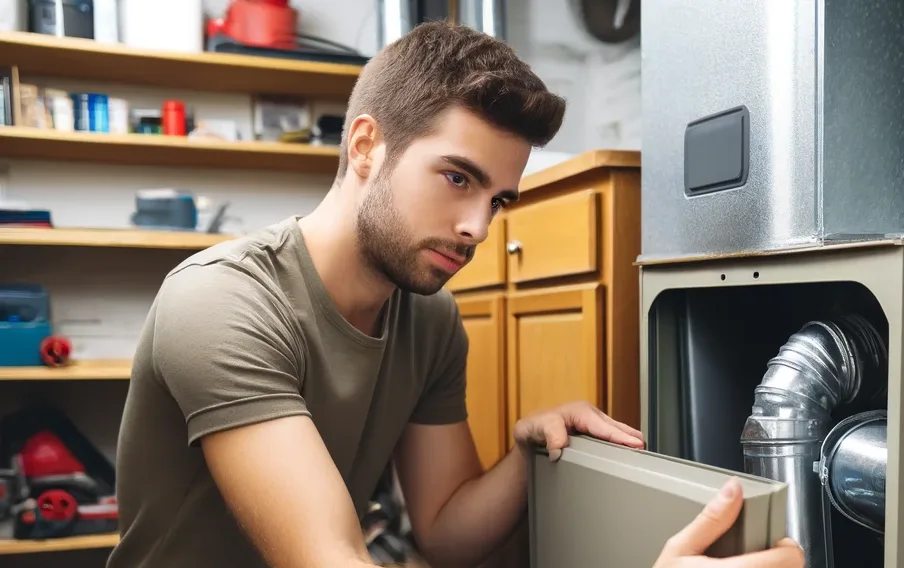
Welcome to Sears Home Services, your go-to platform for all home maintenance needs. In this guide, we'll show you how to clean your furnace igniter, a critical component of your heating system. Regular maintenance of your furnace igniter is vital for its optimal functioning and preventing potential problems.
We'll provide you with a thorough, step-by-step guide on how to clean the furnace igniter to ensure your heating system runs smoothly. We'll also touch on common furnace igniter problems and offer troubleshooting tips to help you solve them. So, let's embark on the journey to a well-maintained furnace igniter and an efficient heating system.
KEY TAKEAWAYS
The ignitor for your furnace, lighting the gas burners that warm your home, is an essential significant part of your heating system. Dust or debris accumulation can interfere with its function, making regular cleaning crucial.
If you neglect the task of cleaning your furnace ignitor, it may not produce a steady spark, leading to delayed or failed ignition. This can result in inefficient combustion, reduced heating capability, and frequent system shutdowns. Over time, dirt and grime can cause the ignitor for your furnace to overheat, potentially damaging other furnace components and creating a fire hazard.
Learning how to clean the furnace igniter regularly not only promotes optimal performance but also extends its lifespan. Removing dirt, dust, and other debris helps prevent premature wear and tear, maintaining the igniter's efficiency, reliability, and saving you from expensive repairs or replacements.
Safety is paramount when learning how to clean furnace ignitor. Follow these safety measures:
You'll need a few tools for cleaning the furnace ignitor:
Follow these steps on how to clean the furnace igniter:
By following these steps, you can effectively clean your furnace ignitor, contributing to an efficient heating system.
If you're experiencing furnace ignition troubles, it's important to identify the issue and take appropriate action. A dirty igniter can affect furnace ignition, but luckily, cleaning the furnace ignitor is fairly straightforward. Here are some signs that your furnace ignitor needs cleaning:
While a dirty ignitor is often the culprit, other issues could be at play, including:
Here are some troubleshooting tips to resolve a furnace ignition failure:

Remember, if you're uncomfortable performing these troubleshooting steps, always schedule service to have a licensed HVAC technician diagnose and fix the furnace ignition issue safely and effectively.
HVAC checkups from Sears Home Services help keep your heating and cooling system running at its best. Prevent costly repairs and can make your HVAC system more energy efficient with routine maintenance.
Loading scheduler options...
Discover how thermostats work to control your home's comfort and energy use. Learn about types, programming tips, and maintenance for a more efficient home.

Get expert tips on preparing your furnace for the cold winter months.

Perform these home maintenance tasks to help you enjoy a stress-free school year.

Understanding the various AC air filter ratings helps you determine which type of filter is right for your home.
The 608 Certification, mandated by the Environmental Protection Agency (EPA), is required for HVAC technicians to legally handle refrigerants. It ensures technicians understand refrigerant types, environmental impact, and proper handling techniques.
A compressor is a mechanical device that increases the pressure of a gas by reducing its volume, essential in various systems including refrigerators, air conditioners, and HVAC units for cooling and refrigeration processes.
A condenser is a component of HVAC and refrigeration systems, responsible for releasing absorbed heat from the refrigerant into the outside air or a water line, thus facilitating the cooling process.
A capacitor in an AC unit is an electrical component that stores and releases electrical energy to help start the motor and stabilize the voltage during operation.
When your Payne central air conditioner won’t turn on or isn’t cooling, check for power problems, a failed capacitor, or a clogged condensate drain. This guide covers quick, safe troubleshooting steps and explains when to call Sears Home Services for expert central AC repair.
When your ICP central air conditioner won’t turn on or isn’t cooling, check for power problems, a failed capacitor, or a clogged condensate drain. This guide covers quick, safe troubleshooting steps and explains when to call Sears Home Services for expert central AC repair.
When your Heil central air conditioner won’t turn on or isn’t cooling, check for power problems, a failed capacitor, or a clogged condensate drain. This guide covers quick, safe troubleshooting steps and explains when to call Sears Home Services for expert central AC repair.
When your Carrier central air conditioner won’t turn on or isn’t cooling, check for power problems, a failed capacitor, or a clogged condensate drain. This guide covers quick, safe troubleshooting steps and explains when to call Sears Home Services for expert central AC repair.
When your Comfortmaker central air conditioner won’t turn on or isn’t cooling, check for power problems, a failed capacitor, or a clogged condensate drain. This guide covers quick, safe troubleshooting steps and explains when to call Sears Home Services for expert central AC repair.
When your Ruud central air conditioner won’t turn on or isn’t cooling, check for power problems, a failed capacitor, or a clogged condensate drain. This guide covers quick, safe troubleshooting steps and explains when to call Sears Home Services for expert central AC repair.