 Appointment Lookup
 213-596-2538

Discover how thermostats work to control your home's comfort and energy use. Learn about types, programming tips, and maintenance for a more efficient home.

Keeping your heat pump coils clean is a simple way to boost your system's efficiency and keep those energy bills in check. When coils get dirty, your heat pump has to work harder, costing you more money. Ready to learn how to keep your heat pump running smoothly? Here are the easy steps for cleaning those coils, so you can enjoy a cozy home without the extra cost.
KEY TAKEAWAYS
When it comes to keeping your home comfortable and energy-efficient, heat pump coils play a major role. These components are crucial for the effective operation of your heating and cooling system. They manage the heat transfer process, allowing your heat pump to efficiently regulate your home's temperature. By understanding how these coils work and why they are important, you can take better care of your heat pump and ensure it lasts longer.
Heat pump coils are responsible for moving heat into and out of your home. The system includes two main types of coils: the outdoor condenser coil and the indoor evaporator coil. During cooling, the condenser coil releases heat into the outside air, while during heating, it absorbs heat. On the other hand, the evaporator coil does the opposite: it absorbs heat from indoor air during cooling and releases it during heating.
There are different types of heat pump coils, such as finned coils and plate coils. Finned coils have aluminum fins that increase the surface area for better heat exchange. Plate coils consist of a series of plates designed for efficient heat transfer. No matter the type, all coils need regular cleaning to prevent issues caused by dirt buildup.
Over time, dirt, dust, and debris can accumulate on the coils, hindering their ability to transfer heat effectively. Dirty coils make your heat pump work harder, reducing efficiency and increasing energy consumption. If neglected, this can lead to several problems, such as:
Regular maintenance, including coil cleaning, helps maintain optimal heat transfer efficiency and ensures your heat pump operates at peak performance. Clean coils mean less strain on your system, lower energy bills, and a more comfortable home.
If you're not sure how to clean the coils or need professional assistance, the experts at Sears Home Services are ready to help. We offer comprehensive maintenance and cleaning services to keep your heat pump running efficiently and extend its lifespan. Taking these steps will ensure you get the best performance from your heat pump, making your home more comfortable year-round.
Before cleaning your heat pump coils, it's important to prepare properly and take safety precautions. Ensuring you have the right tools and materials, along with following safety guidelines, will make the process smooth and risk-free.
To get started, you'll need the following items:
Safety should always come first. Taking the right precautions can prevent accidents and ensure a smooth cleaning process.
Before you start cleaning, make sure the heat pump system is completely shut down and isolated to avoid any potential hazards.
By following these preparation and safety steps, you'll be ready to clean your heat pump coils efficiently and safely. Ensuring the system is properly shut down and using the correct protective gear will help you avoid accidents and keep your heat pump in top working condition.
Maintaining your heat pump is essential for its efficiency and longevity. Cleaning the coils regularly removes accumulated dirt and debris, ensuring optimal performance. Here’s a step-by-step guide to help you through the process:
Start by inspecting both the evaporator and condenser coils. Look for dust, leaves, or other obstructions. Significant buildup indicates it’s time for a thorough cleaning. Regular inspections help you catch dirt early, preventing major issues down the line.
Selecting the proper cleaning solution is crucial. Use a mild detergent mixed with water. Avoid abrasive cleaners or high-pressure washers, as these can damage the delicate fins of the coils. Eco-friendly solutions are also a good choice to minimize environmental impact.
Follow these steps to clean your heat pump coils effectively:
Regular cleaning of your heat pump coils is essential for maintaining efficiency and extending the system's lifespan. Besides DIY cleaning, schedule regular maintenance checks with a professional. They can inspect for any potential issues and ensure your heat pump is running optimally.
Regular cleaning is essential, but yearly professional maintenance is equally important for the performance and longevity of your heat pump. A professional technician offers a comprehensive inspection and service that goes beyond what you can do yourself.
During a maintenance visit, a technician will thoroughly inspect your entire heat pump system, including the coils. They will check for signs of wear and tear, identify potential issues, and perform necessary adjustments or repairs. This detailed examination ensures every component of your heat pump is in optimal condition.
Yearly maintenance includes more than just cleaning the coils. A professional will:
Regular professional maintenance helps prevent unexpected breakdowns, improves energy efficiency, and extends the life of your heat pump. By identifying and addressing potential problems early, you can avoid costly repairs and ensure your system runs smoothly throughout the year.
At Sears Home Services, our skilled technicians provide top-notch maintenance services for your heat pump. With extensive industry experience, we understand the importance of regular professional care for your heat pump's performance and longevity.
Don't overlook the importance of yearly professional maintenance. Contact Sears Home Services today to schedule an appointment and keep your heat pump running efficiently and reliably!
Maintaining your heat pump with regular cleaning and yearly professional maintenance ensures it operates efficiently and lasts longer. By taking these proactive steps, you can enjoy a comfortable home while saving on energy costs and avoiding costly repairs.
If you’re considering replacing your heat pump, local HVAC pros can discuss your unique needs and walk you through your options while keeping your budget in mind. And, if you need heat pump repair, we can help with that too. Contact Sears Home Services today to schedule an appointment and keep your home comfortable and energy-efficient all year round. Reach out to our experts now to make sure your heat pump is in the best hands!
HVAC checkups from Sears Home Services help keep your heating and cooling system running at its best. Prevent costly repairs and can make your HVAC system more energy efficient with routine maintenance.
Loading scheduler options...
Discover how thermostats work to control your home's comfort and energy use. Learn about types, programming tips, and maintenance for a more efficient home.
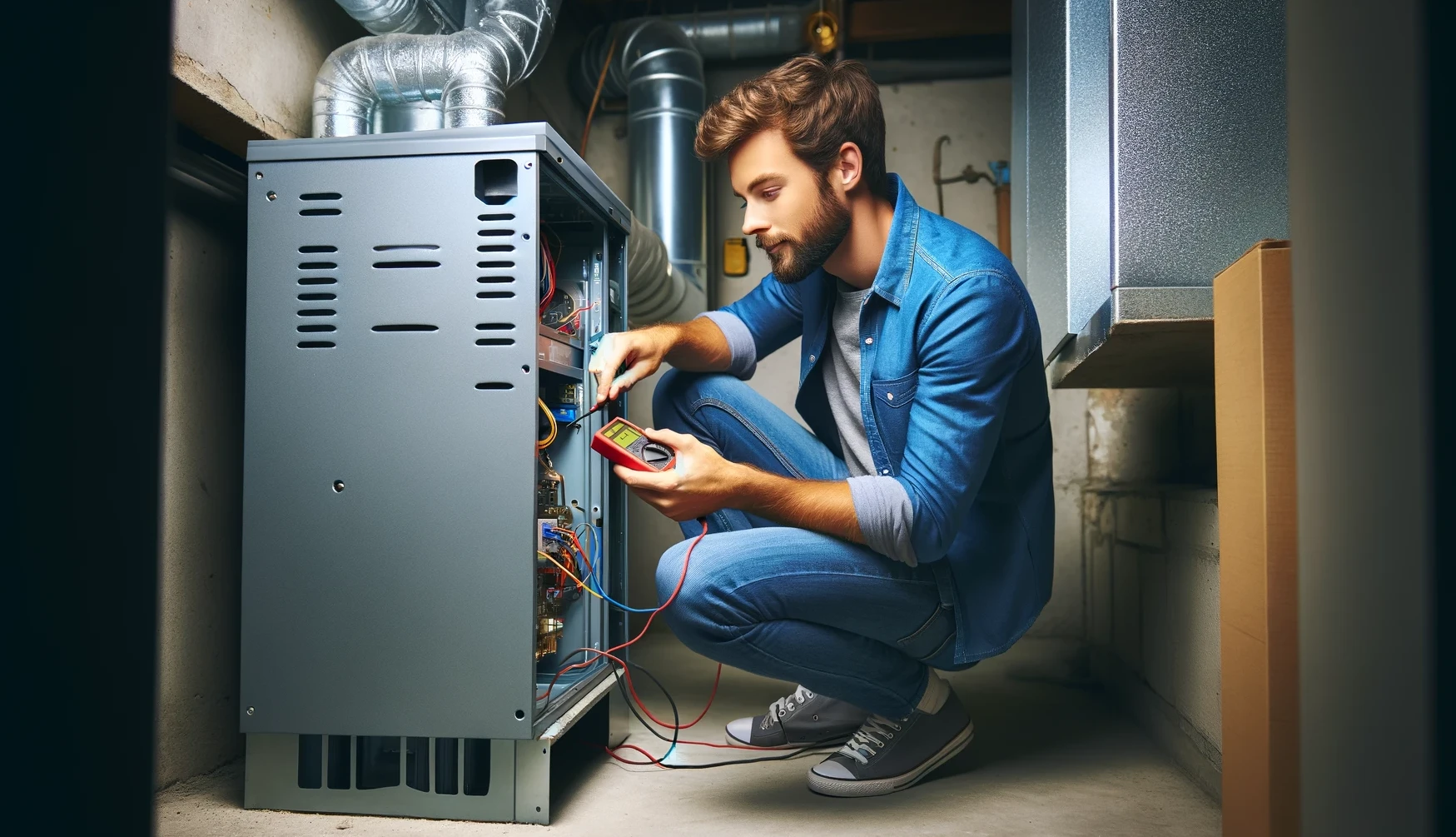
Get expert tips on preparing your furnace for the cold winter months.

Perform these home maintenance tasks to help you enjoy a stress-free school year.

Understanding the various AC air filter ratings helps you determine which type of filter is right for your home.
The 608 Certification, mandated by the Environmental Protection Agency (EPA), is required for HVAC technicians to legally handle refrigerants. It ensures technicians understand refrigerant types, environmental impact, and proper handling techniques.
A compressor is a mechanical device that increases the pressure of a gas by reducing its volume, essential in various systems including refrigerators, air conditioners, and HVAC units for cooling and refrigeration processes.
A condenser is a component of HVAC and refrigeration systems, responsible for releasing absorbed heat from the refrigerant into the outside air or a water line, thus facilitating the cooling process.
A capacitor in an AC unit is an electrical component that stores and releases electrical energy to help start the motor and stabilize the voltage during operation.
When your Payne central air conditioner won’t turn on or isn’t cooling, check for power problems, a failed capacitor, or a clogged condensate drain. This guide covers quick, safe troubleshooting steps and explains when to call Sears Home Services for expert central AC repair.
When your ICP central air conditioner won’t turn on or isn’t cooling, check for power problems, a failed capacitor, or a clogged condensate drain. This guide covers quick, safe troubleshooting steps and explains when to call Sears Home Services for expert central AC repair.
When your Heil central air conditioner won’t turn on or isn’t cooling, check for power problems, a failed capacitor, or a clogged condensate drain. This guide covers quick, safe troubleshooting steps and explains when to call Sears Home Services for expert central AC repair.
When your Carrier central air conditioner won’t turn on or isn’t cooling, check for power problems, a failed capacitor, or a clogged condensate drain. This guide covers quick, safe troubleshooting steps and explains when to call Sears Home Services for expert central AC repair.
When your Comfortmaker central air conditioner won’t turn on or isn’t cooling, check for power problems, a failed capacitor, or a clogged condensate drain. This guide covers quick, safe troubleshooting steps and explains when to call Sears Home Services for expert central AC repair.
When your Ruud central air conditioner won’t turn on or isn’t cooling, check for power problems, a failed capacitor, or a clogged condensate drain. This guide covers quick, safe troubleshooting steps and explains when to call Sears Home Services for expert central AC repair.