 Appointment Lookup
 213-596-2538

Discover how thermostats work to control your home's comfort and energy use. Learn about types, programming tips, and maintenance for a more efficient home.
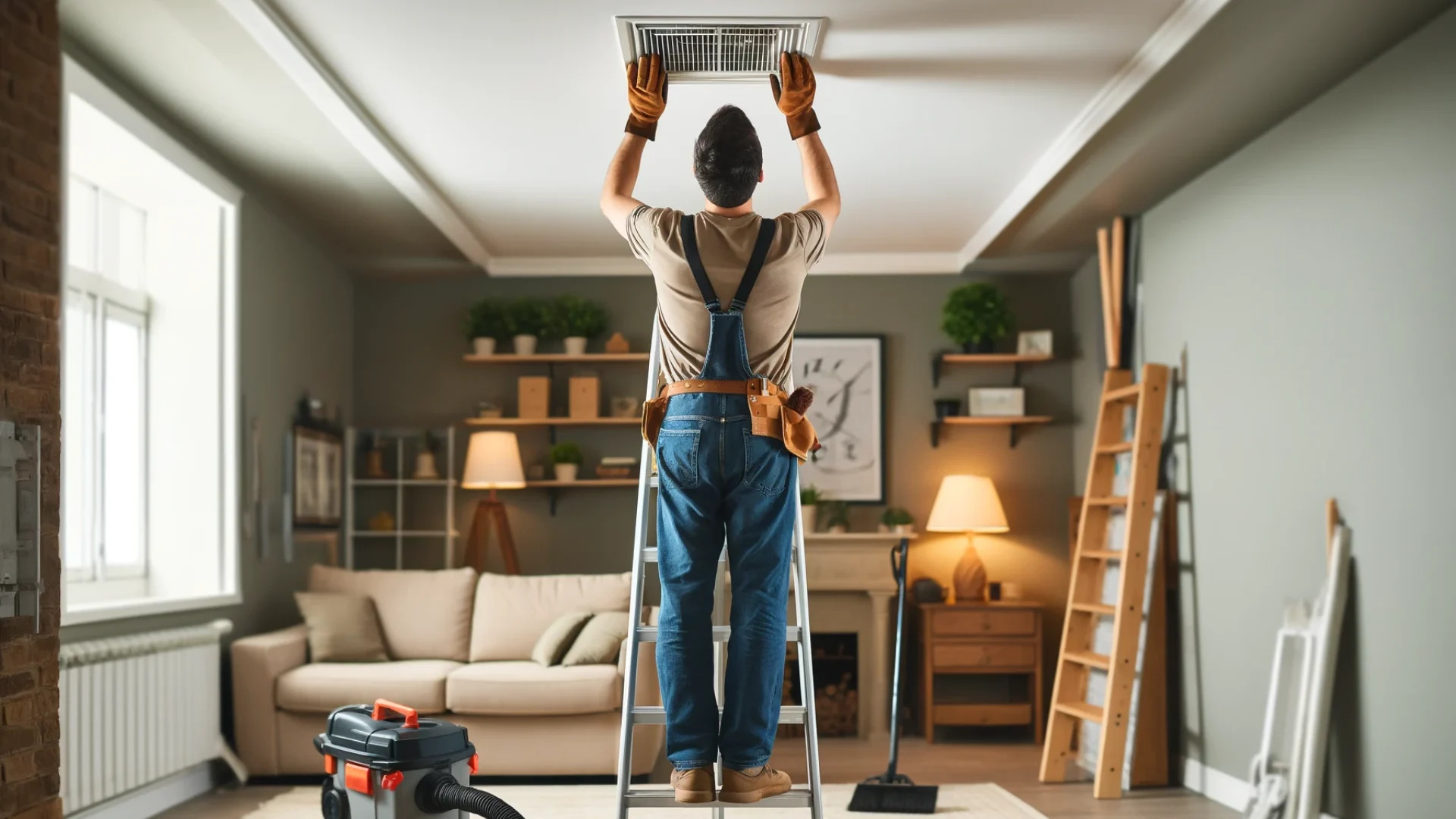
Concerned about the quality of air in your home? Cleaning your air ducts is an excellent way to improve both the quality of your indoor air and the efficiency of your HVAC system. Over time, dust, debris, and even mold can accumulate in your ducts, reducing airflow and potentially causing health issues. While hiring a professional cleaning service is an option, learning how to clean air ducts DIY can be a satisfying project that also saves you money. With some basic tools and a bit of time, you can clean your air ducts and enjoy a healthier home.
KEY TAKEAWAYS
Regularly cleaning your air ducts provides numerous benefits, improving air quality and reducing allergens while extending the life of your HVAC system. Clean air ducts prevent your system from overworking, saving energy and lowering utility bills. By learning how to clean air conditioning ducts yourself, you can save on professional cleaning costs and enjoy a healthier, more efficient home environment.
The air circulating through your ducts is the same air your family breathes. Removing dust, dirt, and other contaminants can enhance the quality of the air inside your home.
Clean ducts allow your HVAC system to operate more efficiently, reducing the workload on the system.
By reducing the buildup of contaminants, you can extend the life of your HVAC system and avoid costly repairs.
Before you begin, gather all the necessary tools and materials. Proper preparation makes the cleaning process smoother and more effective.
Thorough cleaning is easier with the right items.
Each of these tools plays a role in helping you reach and clean every part of your air ducts efficiently.
Cleaning air ducts can stir up dust and allergens, so it’s important to protect yourself.
These precautions help keep you safe and healthy during the cleaning process.
A well-organized workspace can make the cleaning process easier and more efficient.
By organizing your workspace, you can move through the cleaning process more smoothly and efficiently.
Before you start cleaning, it’s important to inspect your HVAC system to be sure it’s ready for maintenance.
This initial inspection helps you identify any issues that may need professional attention and ensures you’re working in a safe environment.
Cleaning your air ducts involves several steps to ensure the thorough removal of dust and debris. Following these steps will help you achieve a cleaner, healthier home environment.
Prioritize safety by turning off your HVAC system before beginning any cleaning process.
Vent covers can accumulate dust and grime. Removing and cleaning them helps prevent this buildup from circulating back into your home.
A vacuum cleaner with a long hose helps reach deep into the ducts to remove dust and debris.
For areas where the vacuum cannot reach, use a brush to loosen and remove dust and debris.
Grilles and return air registers also collect dust and need regular cleaning to maintain good airflow.
After cleaning, inspect the ducts to be sure all dust and debris have been removed.
After cleaning, it’s important to maintain clean air ducts to prolong the benefits of your hard work and to keep your system running efficiently. Consistent maintenance helps to keep your indoor air quality high and your HVAC system in top condition.
Filters play the most important role in trapping dust and debris. Regular replacement is key to maintaining clean air ducts and optimal system performance.
Keeping vents and ducts unobstructed helps maintain good airflow and system efficiency, and prevents unnecessary strain on the HVAC system.
Even with the most diligent DIY maintenance routine, it’s important to have a professional inspect your HVAC system periodically.
Keeping an eye on your home's air quality helps you determine when additional cleaning or maintenance may be needed.
To keep your HVAC system running efficiently, make sure everyone in the household understands the importance of maintaining clean air ducts.
Regularly cleaning your air ducts can improve your home's air quality and boost the efficiency of your HVAC system. While DIY cleaning is effective, professional maintenance provides a deeper clean and optimal system performance. Keep your HVAC system in top condition and provide your family with the cleanest air possible by [scheduling professional HVAC maintenance](/scheduler/ shs?serviceType=M&showBundle=Y) with us. Our expert technicians offer comprehensive cleaning and maintenance services tailored to your needs. Don't wait – contact us today to book your service and experience the difference a professionally maintained HVAC system can make. Breathe easier and enjoy a healthier home environment by calling us now to set up your appointment!
HVAC checkups from Sears Home Services help keep your heating and cooling system running at its best. Prevent costly repairs and can make your HVAC system more energy efficient with routine maintenance.
Loading scheduler options...
Discover how thermostats work to control your home's comfort and energy use. Learn about types, programming tips, and maintenance for a more efficient home.
Get expert tips on preparing your furnace for the cold winter months.

Perform these home maintenance tasks to help you enjoy a stress-free school year.

Understanding the various AC air filter ratings helps you determine which type of filter is right for your home.
The 608 Certification, mandated by the Environmental Protection Agency (EPA), is required for HVAC technicians to legally handle refrigerants. It ensures technicians understand refrigerant types, environmental impact, and proper handling techniques.
A compressor is a mechanical device that increases the pressure of a gas by reducing its volume, essential in various systems including refrigerators, air conditioners, and HVAC units for cooling and refrigeration processes.
A condenser is a component of HVAC and refrigeration systems, responsible for releasing absorbed heat from the refrigerant into the outside air or a water line, thus facilitating the cooling process.
A capacitor in an AC unit is an electrical component that stores and releases electrical energy to help start the motor and stabilize the voltage during operation.
When your Payne central air conditioner won’t turn on or isn’t cooling, check for power problems, a failed capacitor, or a clogged condensate drain. This guide covers quick, safe troubleshooting steps and explains when to call Sears Home Services for expert central AC repair.
When your ICP central air conditioner won’t turn on or isn’t cooling, check for power problems, a failed capacitor, or a clogged condensate drain. This guide covers quick, safe troubleshooting steps and explains when to call Sears Home Services for expert central AC repair.
When your Heil central air conditioner won’t turn on or isn’t cooling, check for power problems, a failed capacitor, or a clogged condensate drain. This guide covers quick, safe troubleshooting steps and explains when to call Sears Home Services for expert central AC repair.
When your Carrier central air conditioner won’t turn on or isn’t cooling, check for power problems, a failed capacitor, or a clogged condensate drain. This guide covers quick, safe troubleshooting steps and explains when to call Sears Home Services for expert central AC repair.
When your Comfortmaker central air conditioner won’t turn on or isn’t cooling, check for power problems, a failed capacitor, or a clogged condensate drain. This guide covers quick, safe troubleshooting steps and explains when to call Sears Home Services for expert central AC repair.
When your Ruud central air conditioner won’t turn on or isn’t cooling, check for power problems, a failed capacitor, or a clogged condensate drain. This guide covers quick, safe troubleshooting steps and explains when to call Sears Home Services for expert central AC repair.