 Appointment Lookup
 213-596-2538

Learn how to clean range hood filters and keep your kitchen air fresh. Find step-by-step instructions at Sears Home Services.
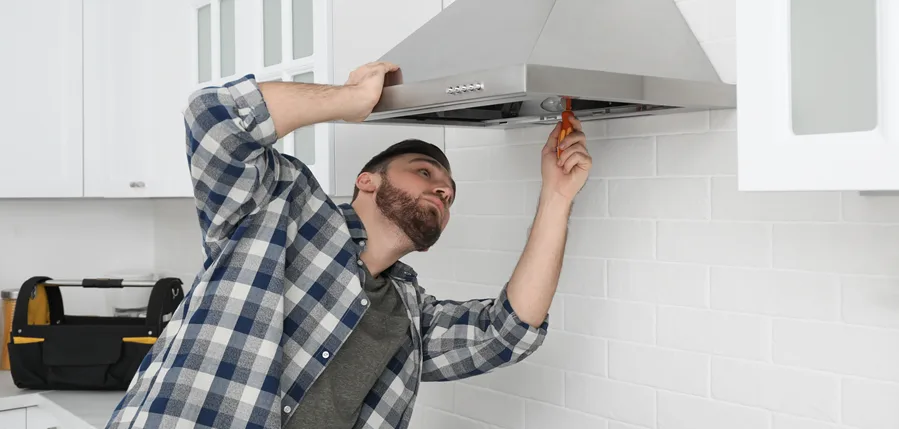
Keeping your hood vent clean is crucial for maintaining a pristine and safe kitchen environment. Over time, grease, dirt, and other debris can build up, diminishing the vent's efficiency and heightening fire risks. Regular cleaning not only boosts your hood vent's performance but also extends its lifespan.
KEY TAKEAWAYS
How often should you clean your hood vent? The cleaning frequency varies based on several factors, such as your cooking habits and methods. Generally, it's advisable to clean the hood vent every three to six months.
To clean a hood vent effectively, follow these steps: begin by turning off the vent and removing the filters, soak the filters in warm, soapy water, scrub the vent with a degreaser, clean the fan blades, and reassemble the vent once everything is dry and clean.
Cleaning a hood vent is a vital maintenance task that should not be neglected. Regular cleaning ensures your vent system remains functional and offers several other critical benefits.
One primary reason for cleaning a hood vent is to prevent fire hazards. Accumulated grease and debris can restrict airflow, making it easier for a fire to ignite. Regular cleaning removes this buildup, reducing the risk of a kitchen fire.
Cleaning a hood vent also enhances the air quality in your kitchen. A dirty vent system can't effectively remove smoke, odors, and airborne particles, leading to poor indoor air quality. Regular cleaning keeps the air in your kitchen fresh and clean.
Additionally, maintaining a clean hood vent prolongs the lifespan of the vent system. Clogged vents put extra strain on the fan motor and other components, potentially causing premature wear and tear. Keeping the vent clean minimizes damage and extends its lifespan.
Regular cleaning of your hood vent is essential for its functionality and to prevent fire hazards. The cleaning frequency depends on your cooking habits and the type of stove you have, but a general recommendation is to clean your hood vent at least once every three months.
Certain factors may necessitate more frequent cleaning. If you cook frequently or use high-heat methods like frying or grilling, you may need to clean your hood vent more often. The grease and residue from these activities can quickly accumulate, reducing efficiency and increasing fire risks.
The type of cooking you do also impacts the cleaning frequency. Cooking greasy foods or using a lot of oil can cause substances to build up quickly, obstructing airflow. More frequent cleaning is advisable in these cases.
How do you know when it's time to clean your hood vent? Look for signs such as a persistent odor while cooking, visible grease or residue on the hood, filters, or surrounding area, decreased airflow, or excessive noise from the vent. These indicators suggest that cleaning is overdue.
Proper maintenance and regular cleaning ensure optimal performance of your hood vent and extend its lifespan.

Maintaining a clean hood vent is essential for a healthy and efficient kitchen. Over time, grease and dirt can accumulate, hindering performance. Follow these steps to ensure your hood vent stays clean and functions optimally.
By following these steps, you can keep your hood vent clean and running smoothly. Always refer to your vent's manual for additional instructions or precautions. If you need further assistance, contact our professional technicians at Sears Home Services.
Loading scheduler options...
Learn how to clean range hood filters and keep your kitchen air fresh. Find step-by-step instructions at Sears Home Services.

Learn how to clean your range hood fan in 3 easy steps. Say goodbye to grease and keep your kitchen fresh with our simple, effective guide.

Learn how to clean your range hood with our step-by-step guide. Keep your kitchen fresh and grease-free.

Learn how to remove grease from the range hood with expert tips from Sears Home Services.
A ductless range hood, also known as a recirculating hood, filters and recirculates air in the kitchen, removing smoke, heat, and cooking odors without venting outdoors.
A range hood is a kitchen appliance installed over the stove or cooktop, designed to remove smoke, odors, heat, and airborne grease by venting them outside or filtering and recirculating the air.
A range hood filter is a component of a kitchen exhaust system designed to trap grease, smoke, and other airborne particles during cooking. This improves air quality and protects kitchen surfaces.
A range hood liner is a custom-fit enclosure designed to house a range hood's interior mechanisms, such as the fan and filter, providing a seamless integration into kitchen cabinetry or custom hoods for both aesthetic appeal and functionality.
When your Payne central air conditioner won’t turn on or isn’t cooling, check for power problems, a failed capacitor, or a clogged condensate drain. This guide covers quick, safe troubleshooting steps and explains when to call Sears Home Services for expert central AC repair.
When your ICP central air conditioner won’t turn on or isn’t cooling, check for power problems, a failed capacitor, or a clogged condensate drain. This guide covers quick, safe troubleshooting steps and explains when to call Sears Home Services for expert central AC repair.
When your Heil central air conditioner won’t turn on or isn’t cooling, check for power problems, a failed capacitor, or a clogged condensate drain. This guide covers quick, safe troubleshooting steps and explains when to call Sears Home Services for expert central AC repair.
When your Carrier central air conditioner won’t turn on or isn’t cooling, check for power problems, a failed capacitor, or a clogged condensate drain. This guide covers quick, safe troubleshooting steps and explains when to call Sears Home Services for expert central AC repair.
When your Comfortmaker central air conditioner won’t turn on or isn’t cooling, check for power problems, a failed capacitor, or a clogged condensate drain. This guide covers quick, safe troubleshooting steps and explains when to call Sears Home Services for expert central AC repair.
When your Ruud central air conditioner won’t turn on or isn’t cooling, check for power problems, a failed capacitor, or a clogged condensate drain. This guide covers quick, safe troubleshooting steps and explains when to call Sears Home Services for expert central AC repair.