 Appointment Lookup
 213-596-2538

Discover how thermostats work to control your home's comfort and energy use. Learn about types, programming tips, and maintenance for a more efficient home.
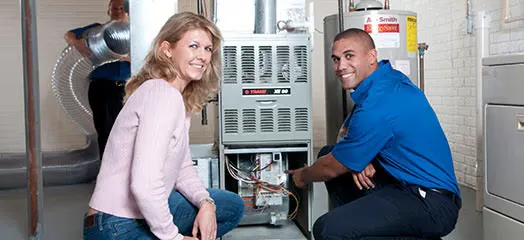
Keeping a clean, well-maintained furnace is a must for homeowners. Regular cleanings improve the performance and lifespan of your heating system and contribute to cleaner indoor air. This guide will walk you through how to clean a furnace, the best time to do it, and the cleaning process in detail. We'll also discuss the pros and cons of cleaning it yourself versus hiring a professional service. We want to answer all your furnace cleaning questions and provide expert advice and additional resources.
KEY TAKEAWAYS
Regular maintenance and cleaning of your furnace have significant benefits for your home and family's health. Dust and debris can build up in your furnace over time, leading to poor air circulation and the potential spread of harmful pollutants. Regular cleaning helps to remove these contaminants, so you breathe cleaner, healthier air. Plus, a clean furnace operates more efficiently, which can reduce energy consumption and save you money on utility bills.
Regular cleaning is critical to ensure the efficiency and longevity of your furnace. Generally, you should learn how to clean your furnace and do it at least once a year to remove accumulated dust and debris. Some signs might indicate your furnace needs cleaning, like excessive dirt around the furnace area, reduced airflow, or increased heating costs. If anyone in your household frequently experiences allergies or respiratory issues, it might be a sign of a dirty furnace.
While yearly cleaning is crucial, maintaining your furnace throughout the year is equally important. Regularly replacing or cleaning your furnace filter, keeping the area around your furnace clear, and scheduling an annual service with a professional HVAC technician, like those at Sears Home Services, can help keep your furnace in top shape.

Knowing how to clean your furnace is key to maintaining its performance and lifespan. The following guide will walk you through the process:
Always turn off the power and gas supply to your furnace before starting the cleaning process to prevent accidents or injuries. Shut off the house circuit breakers for the furnace. Close the gas supply shut-off valve for the unit. If you’re not sure which breakers to shut off or you don’t know where to shut off the gas supply for the furnace, have a service technician clean the furnace.
Follow these steps to clean the burners and heat exchanger:
Follow the instructions in the owner’s manual for your furnace to clean or replace the air filter. Furnace models vary, so there will be an access panel that you must open or remove to get to the air filter. Replace a disposable air filter with a new one. If you have a washable filter, remove it from the furnace and clean it with mild detergent and water. Let the filter dry completely before reinstalling it in the furnace.
To clean HVAC ducts, remove the vent covers inspect them for blockages and use a vacuum cleaner or a brush to remove dust and debris. Clean all vent duct covers. If necessary, set up professional HVAC duct cleaning service to have a Sears Home Services technician thoroughly clean your home’s vent duct system.
After cleaning, turn on the power and gas supply and test the furnace for proper functionality. Check for proper airflow through all vents and for proper heating. Address any problems immediately to avoid a lack of heating when cold weather arrives in the fall.
Always prioritize safety when cleaning and preparing your furnace for cold weather. Wear protective gear like a dust mask, gloves and goggles when cleaning the furnace and ensure the work area is well-ventilated. If you are unsure about any step, stop and have a Sears Home Services technician complete the furnace cleaning and maintenance.
When it comes to cleaning your furnace, you have two options: do it yourself or hire a professional. DIY cleaning can save you money, and you have control over the process. However, it requires technical knowledge and can be time-consuming.
Professional services, on the other hand, offer expertise, use specialized tools, and save you time. When choosing between the two, consider your skill level, the condition of your furnace, and your schedule.
We have some guidance on some common common concerns about furnace cleaning.
Depending on the size and condition of the unit, a thorough cleaning can take anywhere from one to three hours.
Cleaning the heat exchanger and burners, changing or cleaning filters, and cleaning the blower on your furnace are fairly basic maintenance steps. Once you’ve done it a few times, cleaning and maintaining your furnace can eventually take you less than an hour to complete.
Basic tools that you’ll need to clean your furnace include:
You may also need lubricant or grease to lubricate internal parts such as the blower motor shaft as described in the owner’s manual for your furnace.
Yes, regular cleaning reduces the risk of malfunctions by removing accumulated dirt and debris. Avoid the risk for heating failures during the winter months by cleaning and maintaining your furnace every year.
The cost varies depending on your location and the size of your furnace, but on average, it can range between $100 and $200. Sears Home Services typically charges $129.99 for furnace maintenance in most areas but that fee can vary. We offer many different HVAC maintenance packages and furnace maintenance is free when you have a Sears Protect Home Warranty. See details of our HVAC maintenance and warranty offers on our Sears Home Services website.
Trust Sears Home Services to help keep you and your family safe and comfortable with the best furnace service in the industry. Our experienced HVAC technician can spot problems and take corrective action immediately to help keep your furnace running smoothly all winter long.
HVAC checkups from Sears Home Services help keep your heating and cooling system running at its best. Prevent costly repairs and can make your HVAC system more energy efficient with routine maintenance.
Loading scheduler options...
Discover how thermostats work to control your home's comfort and energy use. Learn about types, programming tips, and maintenance for a more efficient home.
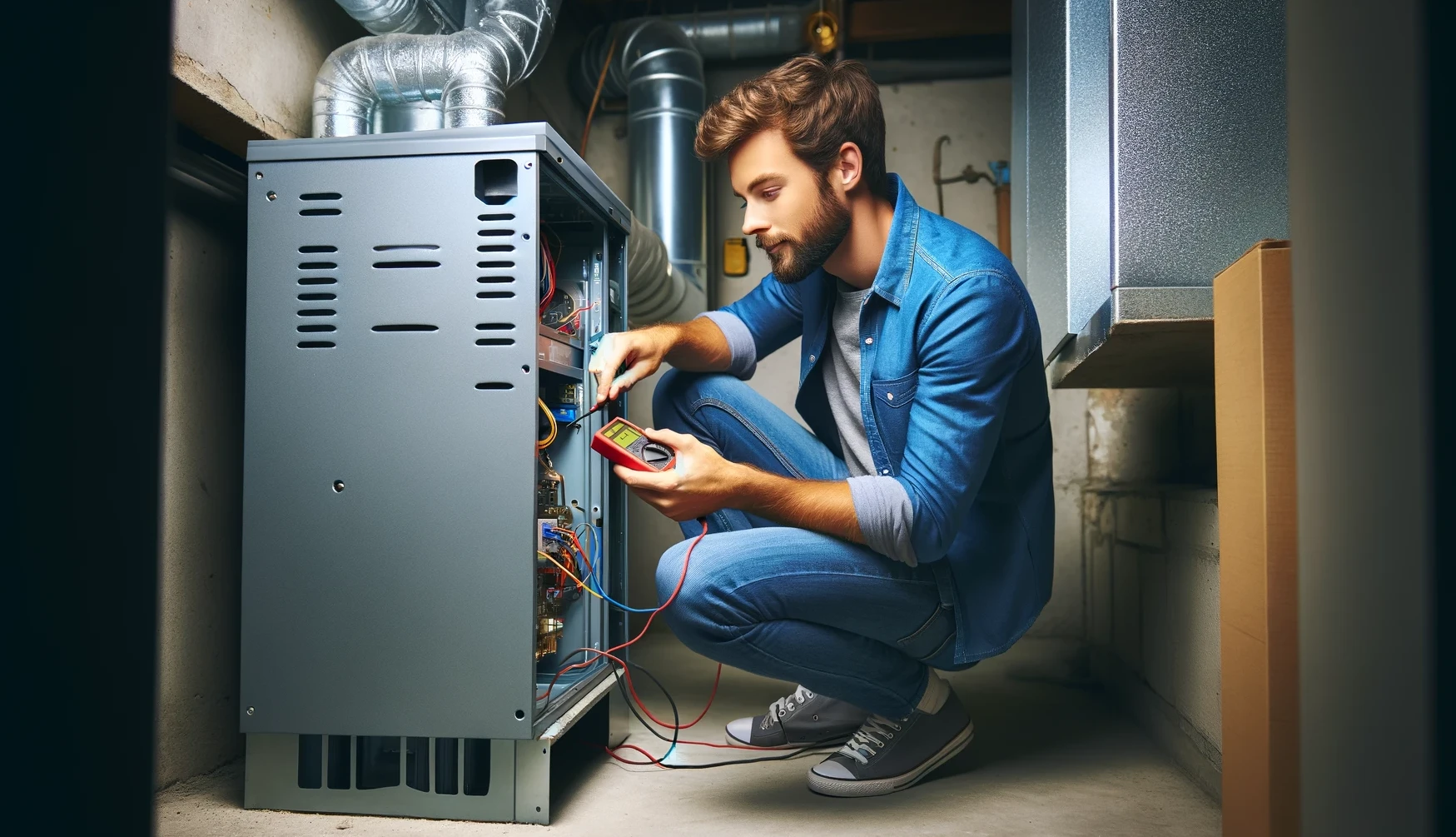
Get expert tips on preparing your furnace for the cold winter months.

Perform these home maintenance tasks to help you enjoy a stress-free school year.

Understanding the various AC air filter ratings helps you determine which type of filter is right for your home.
The 608 Certification, mandated by the Environmental Protection Agency (EPA), is required for HVAC technicians to legally handle refrigerants. It ensures technicians understand refrigerant types, environmental impact, and proper handling techniques.
A compressor is a mechanical device that increases the pressure of a gas by reducing its volume, essential in various systems including refrigerators, air conditioners, and HVAC units for cooling and refrigeration processes.
A condenser is a component of HVAC and refrigeration systems, responsible for releasing absorbed heat from the refrigerant into the outside air or a water line, thus facilitating the cooling process.
A capacitor in an AC unit is an electrical component that stores and releases electrical energy to help start the motor and stabilize the voltage during operation.
When your Payne central air conditioner won’t turn on or isn’t cooling, check for power problems, a failed capacitor, or a clogged condensate drain. This guide covers quick, safe troubleshooting steps and explains when to call Sears Home Services for expert central AC repair.
When your ICP central air conditioner won’t turn on or isn’t cooling, check for power problems, a failed capacitor, or a clogged condensate drain. This guide covers quick, safe troubleshooting steps and explains when to call Sears Home Services for expert central AC repair.
When your Heil central air conditioner won’t turn on or isn’t cooling, check for power problems, a failed capacitor, or a clogged condensate drain. This guide covers quick, safe troubleshooting steps and explains when to call Sears Home Services for expert central AC repair.
When your Carrier central air conditioner won’t turn on or isn’t cooling, check for power problems, a failed capacitor, or a clogged condensate drain. This guide covers quick, safe troubleshooting steps and explains when to call Sears Home Services for expert central AC repair.
When your Comfortmaker central air conditioner won’t turn on or isn’t cooling, check for power problems, a failed capacitor, or a clogged condensate drain. This guide covers quick, safe troubleshooting steps and explains when to call Sears Home Services for expert central AC repair.
When your Ruud central air conditioner won’t turn on or isn’t cooling, check for power problems, a failed capacitor, or a clogged condensate drain. This guide covers quick, safe troubleshooting steps and explains when to call Sears Home Services for expert central AC repair.