 Appointment Lookup
 213-596-2538

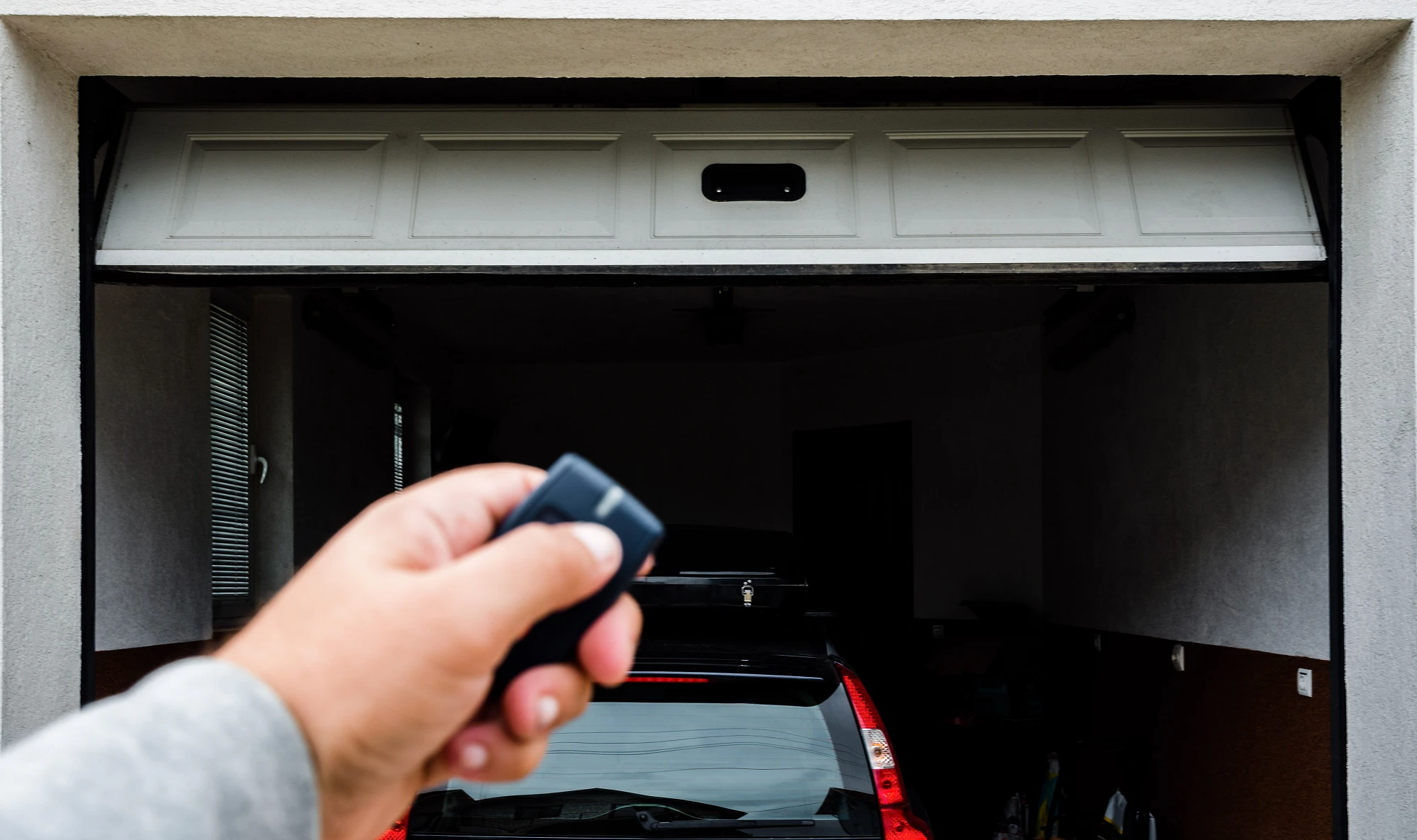
Facing a garage door that won't close can be a frustrating ordeal for any homeowner. Get expert tips for finding and fixing the problem.

Is your garage door acting up, refusing to close or reversing unexpectedly? Do the lights on the garage door opener blink 10 times when this happens? These are tell-tale signs of misaligned garage door opener sensors. Don't fret; aligning your garage door opener sensors can be a straightforward DIY task. This guide will take you through the process to get your garage door back to working smoothly and safely.
KEY TAKEAWAYS
Note: In a pinch, you can typically shut the garage door using the keypad or button control by pressing and holding the activation button until the door closes completely. Make sure nothing is in the path of the closing door. Holding down the keypad activation button overrides the garage door sensor system because you’re in the vicinity of the garage door opener and can monitor the door closing without .
Garage door opener sensors are the unsung heroes of your garage door system. They ensure safe and efficient operation by detecting any obstructions in the door's path and preventing accidents or damage.
These sensors work in pairs, one emitting an infrared beam and the other receiving it. When something disrupts this beam, the sensors alert the door to stop or reverse. Also, if the sensors get knocked out alignment, the door won’t close using your remote device.
When garage door sensors are blocked or misaligned, the door will reverse and the garage door opener lights will blink 10 times.
If there's nothing blocking the safety sensors, check their alignment. You may have bumped a sensor out of position.
Each safety sensor has an indicator light. The sending sensor, which has the yellow light, transmits the infrared beam to the receiving sensor, which has a green light. The garage door sensor yellow sending light should always be lit. But you’ll only see the receiving sensor's green light when the sensors are aligned and unobstructed. Make sure that the garage door sensor yellow light is on and then check the green light on the receiving sensor.
If the green light on the receiving sensor is off, then the sensors are likely misaligned.
So, how do you set things right? Here are steps to align your garage door opener sensors:
Test garage door operation to see if that fixed the problem. In most cases, the garage door opener will work normally.
If not, other problems could be preventing the opener from working. View this helpful DIY video and follow its troubleshooting tips to help you resolve problems with the garage door opener safety sensing system:
With these steps, you'll likely be able to get your garage door opener sensors fixed and your garage door back in action.
If your unable to resolve this garage door problem yourself, schedule garage door opener service and we’ll send a service technician to your home to fix the issue.
Experience hassle-free garage door opener repairs by our experienced technicians, ensuring your daily routines are uninterrupted and your property remains secure.
Loading scheduler options...
Facing a garage door that won't close can be a frustrating ordeal for any homeowner. Get expert tips for finding and fixing the problem.

Learn how to fix a garage door opener remote with our expert tips.

Discover the top 5 reasons why your garage door opener is flashing an error code. Get expert tips and solutions at Sears Home Services!
Learn how the safety sensors work on a garage door opener.
A garage door extension spring is a type of spring mechanism that assists in opening and closing a garage door by extending and contracting, providing the necessary force to balance and move the door safely.
A garage door spring is a critical component that counterbalances the weight of a garage door, enabling it to open and close with reduced force, thus ensuring smooth and safe operation.
A garage door torsion spring is a crucial component that counterbalances the weight of a garage door, enabling it to open and close smoothly and safely.
The drum is the core part of the washer that holds your laundry and enables the cleaning process through rotation, agitation, and rinsing.
When your Payne central air conditioner won’t turn on or isn’t cooling, check for power problems, a failed capacitor, or a clogged condensate drain. This guide covers quick, safe troubleshooting steps and explains when to call Sears Home Services for expert central AC repair.
When your ICP central air conditioner won’t turn on or isn’t cooling, check for power problems, a failed capacitor, or a clogged condensate drain. This guide covers quick, safe troubleshooting steps and explains when to call Sears Home Services for expert central AC repair.
When your Heil central air conditioner won’t turn on or isn’t cooling, check for power problems, a failed capacitor, or a clogged condensate drain. This guide covers quick, safe troubleshooting steps and explains when to call Sears Home Services for expert central AC repair.
When your Carrier central air conditioner won’t turn on or isn’t cooling, check for power problems, a failed capacitor, or a clogged condensate drain. This guide covers quick, safe troubleshooting steps and explains when to call Sears Home Services for expert central AC repair.
When your Comfortmaker central air conditioner won’t turn on or isn’t cooling, check for power problems, a failed capacitor, or a clogged condensate drain. This guide covers quick, safe troubleshooting steps and explains when to call Sears Home Services for expert central AC repair.
When your Ruud central air conditioner won’t turn on or isn’t cooling, check for power problems, a failed capacitor, or a clogged condensate drain. This guide covers quick, safe troubleshooting steps and explains when to call Sears Home Services for expert central AC repair.