 Appointment Lookup
 213-596-2538

Discover how thermostats work to control your home's comfort and energy use. Learn about types, programming tips, and maintenance for a more efficient home.
Heating and cooling systems are the unsung heroes of modern homes, keeping us comfortable through summer heat waves and winter chills. But here’s the catch: HVAC (heating, ventilation, and air conditioning) equipment is also one of the largest energy consumers in a household. In fact, the U.S. Department of Energy estimates that heating and cooling account for 40–50% of total home energy use.
If your HVAC system isn’t properly maintained, it will lose efficiency over time. That means you’re paying more each month for the same level of comfort—and potentially wearing out your equipment sooner than expected. The good news is that a few simple HVAC maintenance steps can dramatically improve efficiency and keep your system running at peak performance.
Let’s explore exactly how regular HVAC maintenance saves energy and reduces your long-term costs.
KEY TAKEAWAYS
Think of your HVAC filter as the system’s lungs. When the filter is clean, air flows freely and your system doesn’t have to work as hard. But when it’s clogged with dust, pet hair, or pollen, airflow is restricted—forcing the blower fan to use more energy.
Energy Impact: Replacing or cleaning your filter every 1–3 months can reduce energy use by up to 15%.
Pro Tip: If you live with pets or in a high-pollen area, check your filters monthly.
Clean filters don’t just save energy—they also improve the air your family breathes, reducing allergens and dust.
A fresh filter is one of the cheapest, fastest ways to cut energy waste and stay healthy.
Like a car, your HVAC system needs regular tune-ups to run efficiently. Professional maintenance ensures all components are clean, lubricated, and working as intended.
Here’s a video of Sears Home Services Technician Lennie Arroyo showing you what’s included in an AC tune up.
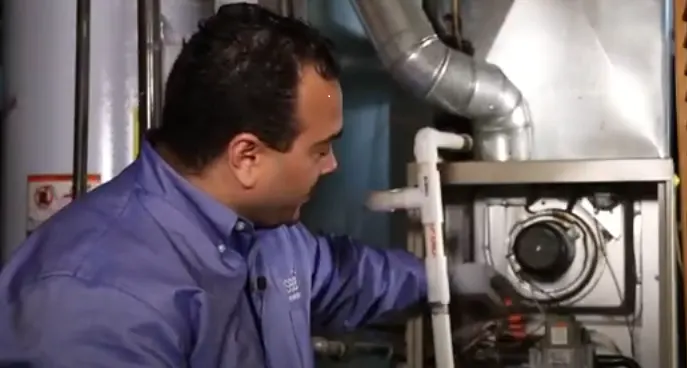
This video shows how a Sears Home Services Technicians tunes up a furnace:
A technician typically checks:
Energy Impact: A well-maintained system can run 20–30% more efficiently than a neglected one.
Pro Tip: Schedule a tune-up twice a year—once in spring for your AC, and once in fall for your furnace.
Catching small problems early means fewer breakdowns, better efficiency, and a system that lasts longer.
A thermostat that’s even a few degrees off can cause your system to cycle unnecessarily or run longer than it should. During professional maintenance, technicians calibrate your thermostat and test your system’s efficiency.
Upgrading to a programmable or smart thermostat can save up to 10% annually on heating and cooling bills by automatically adjusting temperatures when you’re away.
For larger homes, zoning allows you to heat or cool only the rooms in use—another energy-saving strategy tied directly to HVAC performance.
A properly calibrated system doesn’t just save money; it also keeps your home more consistently comfortable.
An HVAC system is a big investment, and replacement costs can run into thousands of dollars. Regular heating & cooling system maintenance keeps your equipment in top condition, helping you avoid premature replacement.
In short, maintenance is a small investment that protects your bigger one.

Beyond professional servicing, homeowners can take steps throughout the year to maximize HVAC efficiency:
These habits, combined with professional maintenance, keep your HVAC system working smarter, not harder.
HVAC maintenance is about more than comfort—it’s about saving money, conserving energy, and protecting your investment. By keeping up with regular filter changes, annual tune-ups, and smart thermostat settings, you’ll lower your utility bills, reduce energy waste, and enjoy reliable comfort year-round.
Sears Home Services offers expert HVAC maintenance tailored to your system and your home. Schedule a tune-up today and start saving energy tomorrow.
HVAC checkups from Sears Home Services help keep your heating and cooling system running at its best. Prevent costly repairs and can make your HVAC system more energy efficient with routine maintenance.
Loading scheduler options...
Discover how thermostats work to control your home's comfort and energy use. Learn about types, programming tips, and maintenance for a more efficient home.
Get expert tips on preparing your furnace for the cold winter months.

Perform these home maintenance tasks to help you enjoy a stress-free school year.

Understanding the various AC air filter ratings helps you determine which type of filter is right for your home.
The 608 Certification, mandated by the Environmental Protection Agency (EPA), is required for HVAC technicians to legally handle refrigerants. It ensures technicians understand refrigerant types, environmental impact, and proper handling techniques.
A compressor is a mechanical device that increases the pressure of a gas by reducing its volume, essential in various systems including refrigerators, air conditioners, and HVAC units for cooling and refrigeration processes.
A condenser is a component of HVAC and refrigeration systems, responsible for releasing absorbed heat from the refrigerant into the outside air or a water line, thus facilitating the cooling process.
A capacitor in an AC unit is an electrical component that stores and releases electrical energy to help start the motor and stabilize the voltage during operation.
When your Payne central air conditioner won’t turn on or isn’t cooling, check for power problems, a failed capacitor, or a clogged condensate drain. This guide covers quick, safe troubleshooting steps and explains when to call Sears Home Services for expert central AC repair.
When your ICP central air conditioner won’t turn on or isn’t cooling, check for power problems, a failed capacitor, or a clogged condensate drain. This guide covers quick, safe troubleshooting steps and explains when to call Sears Home Services for expert central AC repair.
When your Heil central air conditioner won’t turn on or isn’t cooling, check for power problems, a failed capacitor, or a clogged condensate drain. This guide covers quick, safe troubleshooting steps and explains when to call Sears Home Services for expert central AC repair.
When your Carrier central air conditioner won’t turn on or isn’t cooling, check for power problems, a failed capacitor, or a clogged condensate drain. This guide covers quick, safe troubleshooting steps and explains when to call Sears Home Services for expert central AC repair.
When your Comfortmaker central air conditioner won’t turn on or isn’t cooling, check for power problems, a failed capacitor, or a clogged condensate drain. This guide covers quick, safe troubleshooting steps and explains when to call Sears Home Services for expert central AC repair.
When your Ruud central air conditioner won’t turn on or isn’t cooling, check for power problems, a failed capacitor, or a clogged condensate drain. This guide covers quick, safe troubleshooting steps and explains when to call Sears Home Services for expert central AC repair.