 Appointment Lookup
 213-596-2538

Discover how thermostats work to control your home's comfort and energy use. Learn about types, programming tips, and maintenance for a more efficient home.
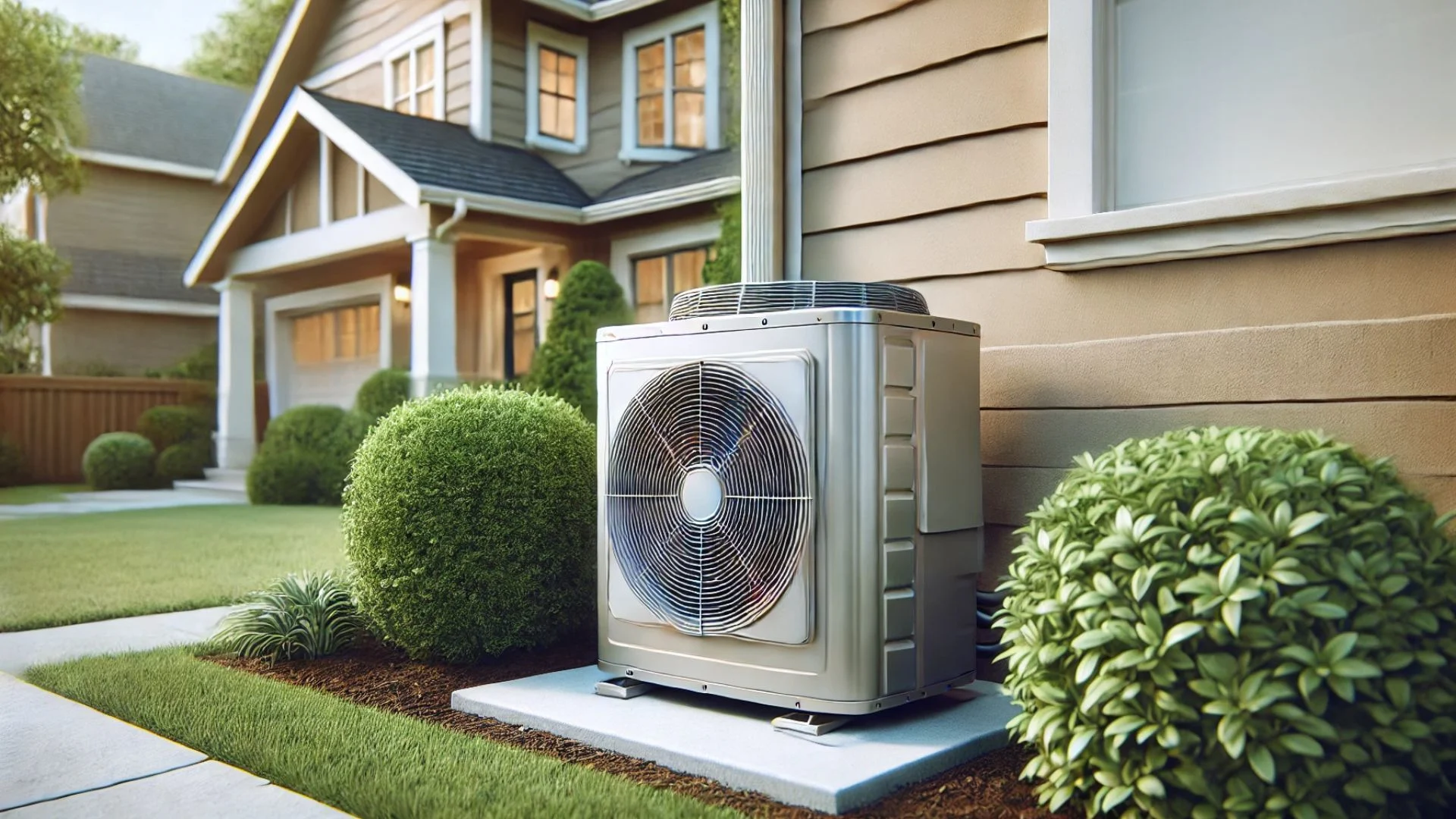
During the hot months of summer, air conditioners are an absolute must for keeping your home cool and comfortable. But have you ever wondered exactly how an air conditioner works? Simply put, the system operates by removing heat from inside your home and transferring it outside, allowing cool air to circulate indoors. This process involves several key components, including the refrigerant, compressor, and condenser, which work together to create a cooling effect.
By understanding the mechanics of air conditioners, you can make better decisions about their maintenance and usage to improve comfort, and better recognize when issues like poor cooling or unusual noises indicate a problem requiring immediate attention.
KEY TAKEAWAYS
Air conditioning systems use a sophisticated process to regulate temperature, humidity, and air quality. Whether at home or in an office, air conditioners provide cool air by removing heat from the space and releasing it outside. The entire system relies on the refrigeration cycle, where different components work together to keep your indoor environment comfortable.
An air conditioning unit consists of several parts that work together to cool your home effectively. Each component plays a specific role in maintaining temperature and airflow:
Compressor: The compressor compresses the refrigerant, increasing its pressure and temperature. Once the refrigerant is pressurized, it flows through the system.
Condenser: The hot refrigerant gas moves to the condenser, where it releases heat to the outside air. As the refrigerant loses heat, it turns into a liquid.
Evaporator: Inside your home, the refrigerant passes through the evaporator coil, where it absorbs heat from the indoor air. This process cools the air as the refrigerant evaporates into a gas.
Expansion Valve: This valve regulates how much refrigerant enters the evaporator, ensuring proper cooling. It controls the flow of refrigerant, allowing the system to maintain a consistent indoor temperature.
Air Handler: The air handler circulates the cool air throughout your home, distributing it evenly for maximum comfort.
The refrigeration cycle is the heart of air conditioning. It works by continuously transferring heat from inside the home to the outside. Here’s how the cycle functions step by step:

Air conditioning offers clear advantages, especially in regions where temperatures soar, like the southern United States. However, no matter where you live, if you experience warm weather, the benefits of air conditioning can greatly improve your comfort and well-being. Let’s take a closer look at the key benefits air conditioning provides.
Air conditioners play a vital role in maintaining cleaner air inside your home. By filtering out dust, pollen, and other airborne particles, they help create a healthier indoor space. This can be especially beneficial for people with allergies or respiratory conditions, as cleaner air can reduce symptoms and improve overall health.
Modern air conditioning systems are designed with energy efficiency in mind. They use advanced technology to cool your home effectively while consuming less power, which can lead to noticeable savings on your energy bills.
One of the most noticeable benefits of air conditioning is its ability to regulate both temperature and humidity, creating a more comfortable living environment. During hot and humid weather, air conditioners remove excess moisture from the air, making your home feel cooler and less sticky.
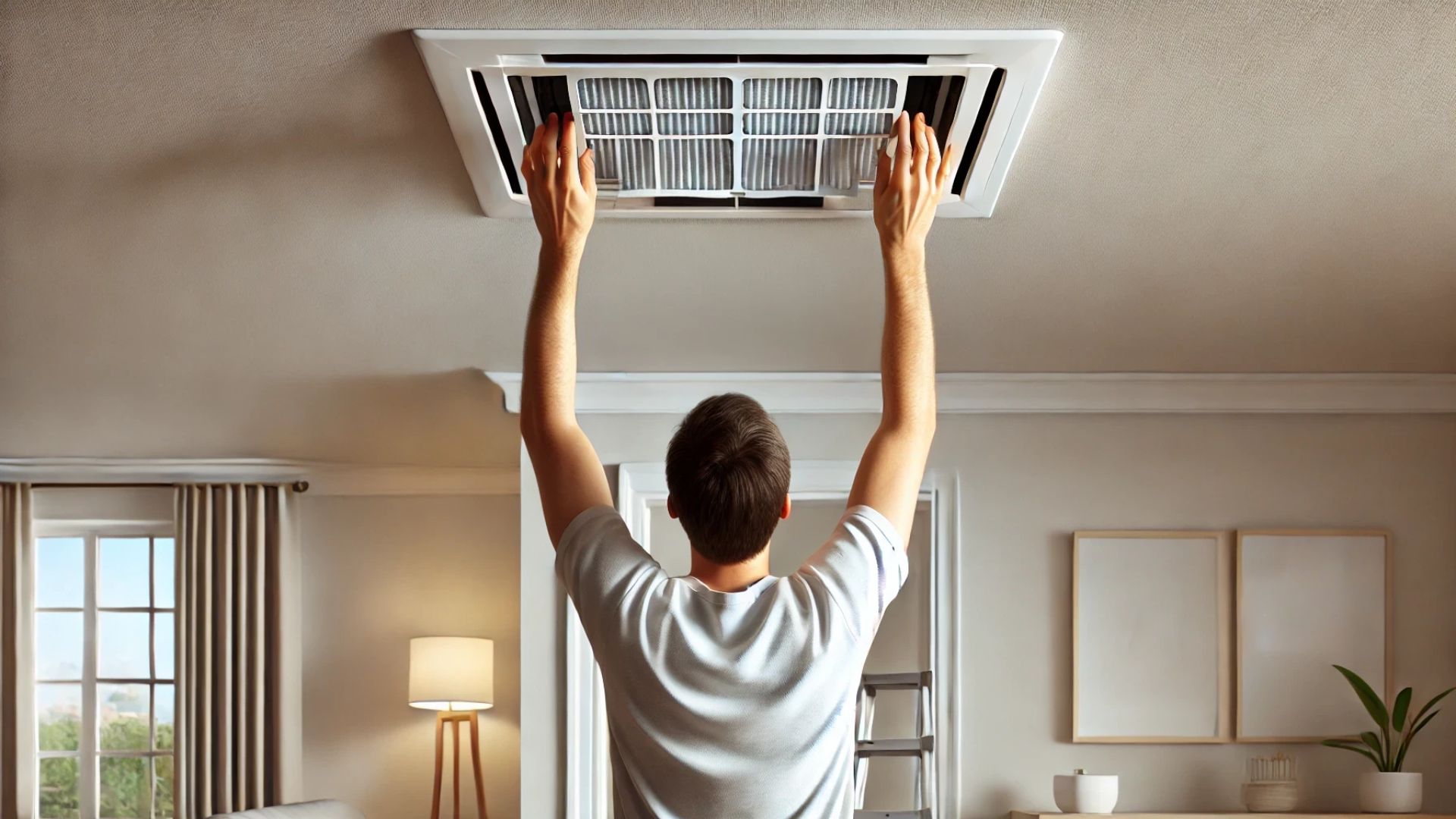
Regular air conditioner maintenance keeps your air conditioner running efficiently and extends its lifespan. These simple maintenance tips will help you avoid costly repairs and keep your system operating smoothly throughout the season.
One of the easiest but most important maintenance tasks is keeping your air filters clean. Dirty filters block airflow, forcing your system to work harder and reducing its efficiency. Over time, this can increase energy consumption and lead to higher utility bills.
Refrigerant plays a critical role in cooling your home. If your system is low on refrigerant, it could be due to a leak, which can lead to reduced efficiency or system failure. Low refrigerant levels also force your system to work harder, which increases wear and tear.
For your air conditioner to work efficiently, both indoor and outdoor units need proper airflow. Blocked airflow can strain the system, leading to reduced efficiency and potential malfunctions.
While regular DIY maintenance is important, scheduling professional maintenance at least once a year is crucial to keeping your air conditioner in top shape. A licensed technician can thoroughly inspect the system, clean hard-to-reach components, and check for issues that might need professional attention.
If your air conditioner shows signs of trouble, such as unusual noises, poor cooling, or inconsistent airflow, don’t hesitate to schedule repairs. Addressing minor issues early can prevent them from becoming larger, more expensive problems.
HVAC checkups from Sears Home Services help keep your heating and cooling system running at its best. Prevent costly repairs and can make your HVAC system more energy efficient with routine maintenance.
Loading scheduler options...
Discover how thermostats work to control your home's comfort and energy use. Learn about types, programming tips, and maintenance for a more efficient home.

Learn how HEPA filters work and how they can help improve your home’s indoor air quality.

Learn how a heat pump works to efficiently heat and cool your home while saving energy and money year-round. Discover their benefits, types, and maintenance tips.

Discover how the condenser works in a central air conditioner system and how to maintain it.
The 608 Certification, mandated by the Environmental Protection Agency (EPA), is required for HVAC technicians to legally handle refrigerants. It ensures technicians understand refrigerant types, environmental impact, and proper handling techniques.
A compressor is a mechanical device that increases the pressure of a gas by reducing its volume, essential in various systems including refrigerators, air conditioners, and HVAC units for cooling and refrigeration processes.
A condenser is a component of HVAC and refrigeration systems, responsible for releasing absorbed heat from the refrigerant into the outside air or a water line, thus facilitating the cooling process.
A capacitor in an AC unit is an electrical component that stores and releases electrical energy to help start the motor and stabilize the voltage during operation.
When your Payne central air conditioner won’t turn on or isn’t cooling, check for power problems, a failed capacitor, or a clogged condensate drain. This guide covers quick, safe troubleshooting steps and explains when to call Sears Home Services for expert central AC repair.
When your ICP central air conditioner won’t turn on or isn’t cooling, check for power problems, a failed capacitor, or a clogged condensate drain. This guide covers quick, safe troubleshooting steps and explains when to call Sears Home Services for expert central AC repair.
When your Heil central air conditioner won’t turn on or isn’t cooling, check for power problems, a failed capacitor, or a clogged condensate drain. This guide covers quick, safe troubleshooting steps and explains when to call Sears Home Services for expert central AC repair.
When your Carrier central air conditioner won’t turn on or isn’t cooling, check for power problems, a failed capacitor, or a clogged condensate drain. This guide covers quick, safe troubleshooting steps and explains when to call Sears Home Services for expert central AC repair.
When your Comfortmaker central air conditioner won’t turn on or isn’t cooling, check for power problems, a failed capacitor, or a clogged condensate drain. This guide covers quick, safe troubleshooting steps and explains when to call Sears Home Services for expert central AC repair.
When your Ruud central air conditioner won’t turn on or isn’t cooling, check for power problems, a failed capacitor, or a clogged condensate drain. This guide covers quick, safe troubleshooting steps and explains when to call Sears Home Services for expert central AC repair.