 Appointment Lookup
 213-596-2538

Learn how a touch pad works in a home appliance.
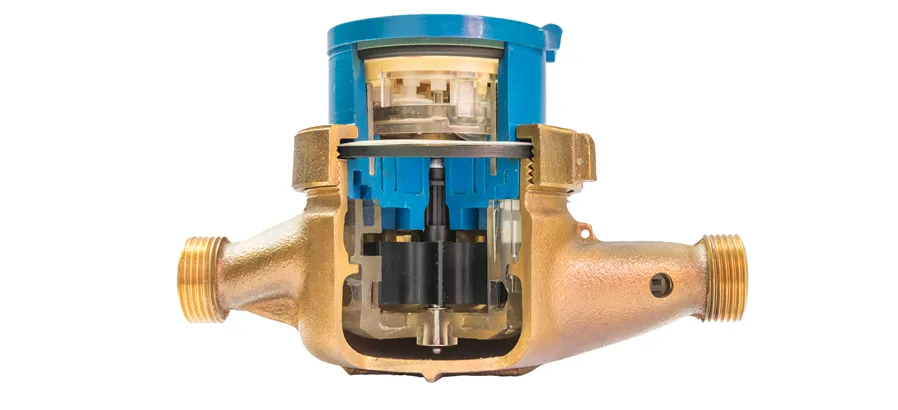
Many appliances have flow meters to measure the volume of water flowing through tubes and components. The control uses the signal from the flow meter to help monitor and control appliances functions – particularly filling.
Knowing how a flow meter works will help you determine whether it’s working and recognize symptoms of appliance failures related to water flow.
KEY TAKEAWAYS
Appliances that have a flow meter use an electronic control board to detect and use the signal from the flow meter to control appliance functions. Here’s how flow meters are commonly used in various appliances.

Water dispensers in some refrigerators detect how much water flows through the fill spout to control metered and automatic fill functions. A flow meter in some fridges also helps determine when the water filter needs replacing.

Some dishwashers use a flow meter to detect how much water flows into the dishwasher to help control water fill level. Also, the flow meter is used in some models to verify that water is actually flowing into the dishwasher tub.

Certain washers use a flow meter to detect water flow and water volume going into the washer. The washer will stop and signal an error code when the control doesn’t detect water flowing into the washer tub through the flow meter according to that component’s signal.

The flow meter in water softener meters how much water goes through the water softener to help schedule the recharge cycle. When the water flow meter detects that enough water has flowed through the water softener to deplete the ability of the ion resin beads to remove hard salts from the home water supply, the control will initiate the recharge cycle.
Flow meters in appliances are connected to water supply lines and/or components to sense water flow and/or water volume. Here’s how the component works:
The control logic analyzes the flow meter signal to determine whether and/or how much water is flowing through the sensor.
When a flow sensor fails to accurately detect water movement, the electronic control on the appliance will often display an error code. Of course, an appliance will also signal a fault code if the flow meter accurately detects no water flow.
When water is actually flowing through the flow meter but the component isn’t detecting the flow, then you’ll need to have an appliance repair technician fix the problem.
When a flow meter error code appears, you can sometimes take some practical troubleshooting steps to fix the problem yourself if you’re completely confident in your DIY appliance repair capabilities. Keep in mind that diagnosing and repairing appliance problems on your own can be risky and dangerous. You should only attempt DIY appliance troubleshooting repair if you’re certain that you can do it safely.
Here are some common appliance flow sensor error codes and practical troubleshooting tips to safely resolve the problems on your own.
The F6 E7 error code indicates that the control detects a problem with the flow meter. Follow these troubleshooting steps if you’re able to safely complete them.
If you’re unable to complete these troubleshooting tips or the parts replacement on your own, schedule dishwasher repair service and we’ll send a Sears Home Services technician to your home to fix the problem.
The Er gF error code indicates that the control detects a problem with the flow sensor. Unplug the refrigerator access the electronic control board on the back of the refrigerator as shown in this DIY video:
Check the wiring connection for the flow meter through the black, sky blue and purple/white wires on the top right side of the electronic control board. Reattach loose wires or repair any broken wires. If those wires are okay, replace the cover for the control board and check the wiring connections for the flow sensor on the ice maker assembly in the refrigerator door (with the refrigerator still unplugged). Reattach any loose wire or repair any broken or damaged wires.
If those connections are okay, you’ll likely need to replace the ice maker assembly.
Check to see if water is filling the actually entering the washer tub. If not, troubleshoot the washer for a fill problem.
If you find no problems with the water supply and the inlet screens aren’t clogged, you may need to replace the water inlet valve assembly.
If water is actually filling the washer as the F8 E4 code occurs, check the wiring connections between the flow meter and the electronic control board (with the washer still unplugged). Reconnect any loose wires and repair any damaged or broken wires.
If the wiring connections are okay, you’ll likely need to replace the flow meter.
If you’re not completely confident that you can fix this problem on your own, schedule washer repair service and we’ll send a Sears Home Services technician to your home to resolve the issue.

To help prevent flow meter failures, have your appliances professionally cleaned and maintained annually. Our appliance repair technicians will visit your home and check the operation of all of your appliances – including the operation and condition of any flow meters in the appliances.
Professional annual appliance maintenance will help keep your appliances in top shape and lasting longer.
From refrigerators to dishwashers, our experienced technicians are equipped to repair all your kitchen appliances, providing fast and reliable service.
Loading scheduler options...
Learn how a touch pad works in a home appliance.

Learn about how heating elements work in home appliances.

Learn how solenoids work to control water or gas flowing to your home appliances.
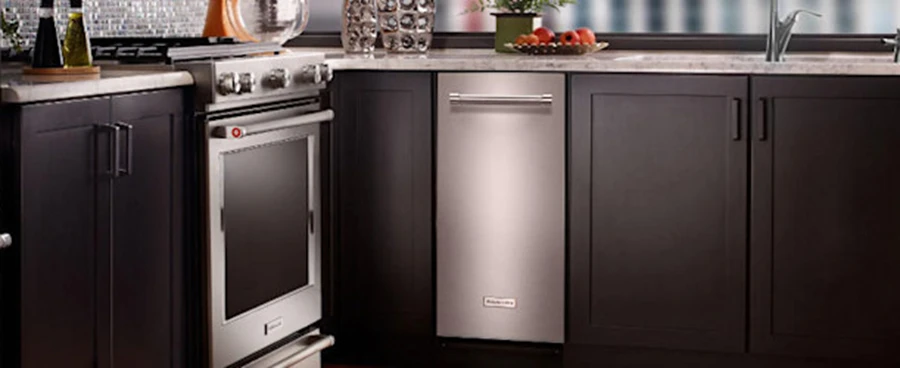
Learn how a trash compactor works and how to troubleshoot problems.
ENERGY STAR appliances are energy-efficient products that meet the strict energy efficiency specifications set by the U.S. Environmental Protection Agency or the U.S. Department of Energy. These appliances are designed to use less energy and water, leading to cost savings and a reduced environmental impact.
Wattage is the measure of electrical power expressed in watts (W), indicating the rate at which a device consumes energy.
Natural gas is a fossil fuel used primarily for heating, cooking, and electricity generation. It's a hydrocarbon gas mixture consisting mainly of methane, but it also contains smaller amounts of other hydrocarbons and sometimes sulfur compounds.
A washer screw is a fastening device that combines a screw and a washer, designed to distribute the load of a screwed fastening more evenly and to prevent the screw from loosening under vibration.
When your Payne central air conditioner won’t turn on or isn’t cooling, check for power problems, a failed capacitor, or a clogged condensate drain. This guide covers quick, safe troubleshooting steps and explains when to call Sears Home Services for expert central AC repair.
When your ICP central air conditioner won’t turn on or isn’t cooling, check for power problems, a failed capacitor, or a clogged condensate drain. This guide covers quick, safe troubleshooting steps and explains when to call Sears Home Services for expert central AC repair.
When your Heil central air conditioner won’t turn on or isn’t cooling, check for power problems, a failed capacitor, or a clogged condensate drain. This guide covers quick, safe troubleshooting steps and explains when to call Sears Home Services for expert central AC repair.
When your Carrier central air conditioner won’t turn on or isn’t cooling, check for power problems, a failed capacitor, or a clogged condensate drain. This guide covers quick, safe troubleshooting steps and explains when to call Sears Home Services for expert central AC repair.
When your Comfortmaker central air conditioner won’t turn on or isn’t cooling, check for power problems, a failed capacitor, or a clogged condensate drain. This guide covers quick, safe troubleshooting steps and explains when to call Sears Home Services for expert central AC repair.
When your Ruud central air conditioner won’t turn on or isn’t cooling, check for power problems, a failed capacitor, or a clogged condensate drain. This guide covers quick, safe troubleshooting steps and explains when to call Sears Home Services for expert central AC repair.