 Appointment Lookup
 213-596-2538

Discover how thermostats work to control your home's comfort and energy use. Learn about types, programming tips, and maintenance for a more efficient home.
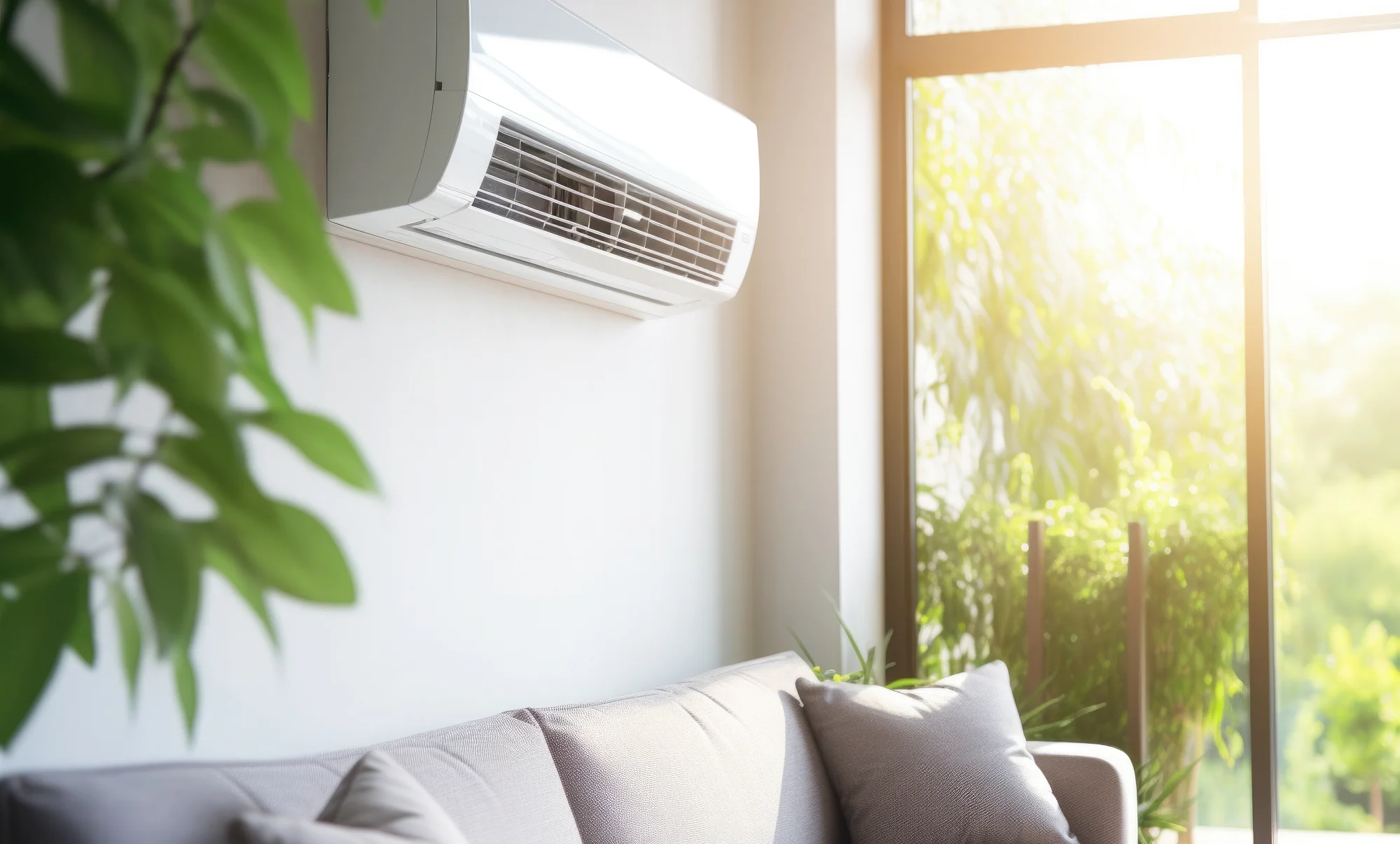
When summer temperatures soar, keeping your home cool becomes a top priority. Among the many cooling solutions available, ductless air conditioners have gained immense popularity for their efficiency, flexibility, and ease of installation. But how exactly does a ductless air conditioner work? Let’s dive into the mechanics and benefits of this innovative cooling system.
KEY TAKEAWAYS
A ductless air conditioner, also known as a mini-split system, is a modern alternative to traditional HVAC systems. Unlike central air systems that rely on a network of ducts to distribute cool air, ductless systems operate without ducts, making them an ideal solution for homes or spaces where ductwork isn't feasible.
The system consists of two main components:
The two units are connected by a conduit that contains refrigerant tubing, power cables, and a drain line for condensate.
You’ll see this type of air conditioner installed in motel and hotel rooms because this type of system gives room occupants individual control of room temperature.

The operation of a ductless air conditioner can be broken down into four key steps:
This cycle continues until the desired temperature is achieved.

Ductless air conditioners rely on advanced technology to deliver precise cooling. Over time, dust, dirt, and wear can reduce efficiency, lead to costly repairs, or even shorten the lifespan of the system. Regular air conditioner maintenance offers these key benefits:
Follow these steps to maintain your ductless air conditioner.
The air filters in the indoor unit trap dust, pollen, and other airborne particles. Over time, these filters can become clogged, reducing airflow and system efficiency.
Clean the filters every 2-4 weeks, depending on usage and indoor air quality.
Follow these steps to clean the air filters:
For some systems, disposable filters may need to be replaced instead of cleaned. Check your user manual for specific instructions.
The outdoor condenser unit plays a crucial role in heat exchange. Dirt, leaves, and debris can accumulate on its surface, hindering performance.
Inspect the condenser monthly and clean it as needed.
To clean the condenser, follow these steps:
Straighten bent fins using a fin comb if necessary.
Dust and dirt can accumulate on the indoor unit’s surface and vents, affecting air circulation.
Wipe down the indoor cooling unit every month. Use a damp, soft cloth to clean the exterior and vents. Avoid using harsh chemicals or abrasive materials.
The condensate drain line removes moisture collected during the cooling process. If it becomes clogged, water can back up, leading to leaks or mold growth.
Inspect and clean the drain line if necessary every 3-6 months.
To clean the drain line, follow these steps:
While DIY maintenance is essential, a professional AC tune-up ensures your ductless air conditioner runs at peak performance.
Technicians perform these tasks when performing AC maintenance:
Proper maintenance is key to maximizing the performance and longevity of your ductless air conditioner. By following these simple steps and scheduling annual professional servicing, you can enjoy efficient cooling, lower energy bills, and a comfortable home environment year after year.
Ductless air conditioners are a smart, efficient, and versatile cooling solution. By understanding how they work, you can make an informed decision about whether they’re the right fit for your cooling needs. Whether you’re upgrading your home’s HVAC system or need a reliable option for a specific space, a ductless air conditioner might be just what you’re looking for.
If you’re considering making the switch, consult an HVAC professional to evaluate your home and explore the best options tailored to your needs.
HVAC checkups from Sears Home Services help keep your heating and cooling system running at its best. Prevent costly repairs and can make your HVAC system more energy efficient with routine maintenance.
Loading scheduler options...
Discover how thermostats work to control your home's comfort and energy use. Learn about types, programming tips, and maintenance for a more efficient home.

Learn how HEPA filters work and how they can help improve your home’s indoor air quality.

Learn how a heat pump works to efficiently heat and cool your home while saving energy and money year-round. Discover their benefits, types, and maintenance tips.

Discover how the condenser works in a central air conditioner system and how to maintain it.
The 608 Certification, mandated by the Environmental Protection Agency (EPA), is required for HVAC technicians to legally handle refrigerants. It ensures technicians understand refrigerant types, environmental impact, and proper handling techniques.
A compressor is a mechanical device that increases the pressure of a gas by reducing its volume, essential in various systems including refrigerators, air conditioners, and HVAC units for cooling and refrigeration processes.
A condenser is a component of HVAC and refrigeration systems, responsible for releasing absorbed heat from the refrigerant into the outside air or a water line, thus facilitating the cooling process.
A capacitor in an AC unit is an electrical component that stores and releases electrical energy to help start the motor and stabilize the voltage during operation.
When your Payne central air conditioner won’t turn on or isn’t cooling, check for power problems, a failed capacitor, or a clogged condensate drain. This guide covers quick, safe troubleshooting steps and explains when to call Sears Home Services for expert central AC repair.
When your ICP central air conditioner won’t turn on or isn’t cooling, check for power problems, a failed capacitor, or a clogged condensate drain. This guide covers quick, safe troubleshooting steps and explains when to call Sears Home Services for expert central AC repair.
When your Heil central air conditioner won’t turn on or isn’t cooling, check for power problems, a failed capacitor, or a clogged condensate drain. This guide covers quick, safe troubleshooting steps and explains when to call Sears Home Services for expert central AC repair.
When your Carrier central air conditioner won’t turn on or isn’t cooling, check for power problems, a failed capacitor, or a clogged condensate drain. This guide covers quick, safe troubleshooting steps and explains when to call Sears Home Services for expert central AC repair.
When your Comfortmaker central air conditioner won’t turn on or isn’t cooling, check for power problems, a failed capacitor, or a clogged condensate drain. This guide covers quick, safe troubleshooting steps and explains when to call Sears Home Services for expert central AC repair.
When your Ruud central air conditioner won’t turn on or isn’t cooling, check for power problems, a failed capacitor, or a clogged condensate drain. This guide covers quick, safe troubleshooting steps and explains when to call Sears Home Services for expert central AC repair.