 Appointment Lookup
 213-596-2538

Vinyl siding offers cold-climate homes durable protection against harsh winter weather while enhancing curb appeal and improving energy efficiency.
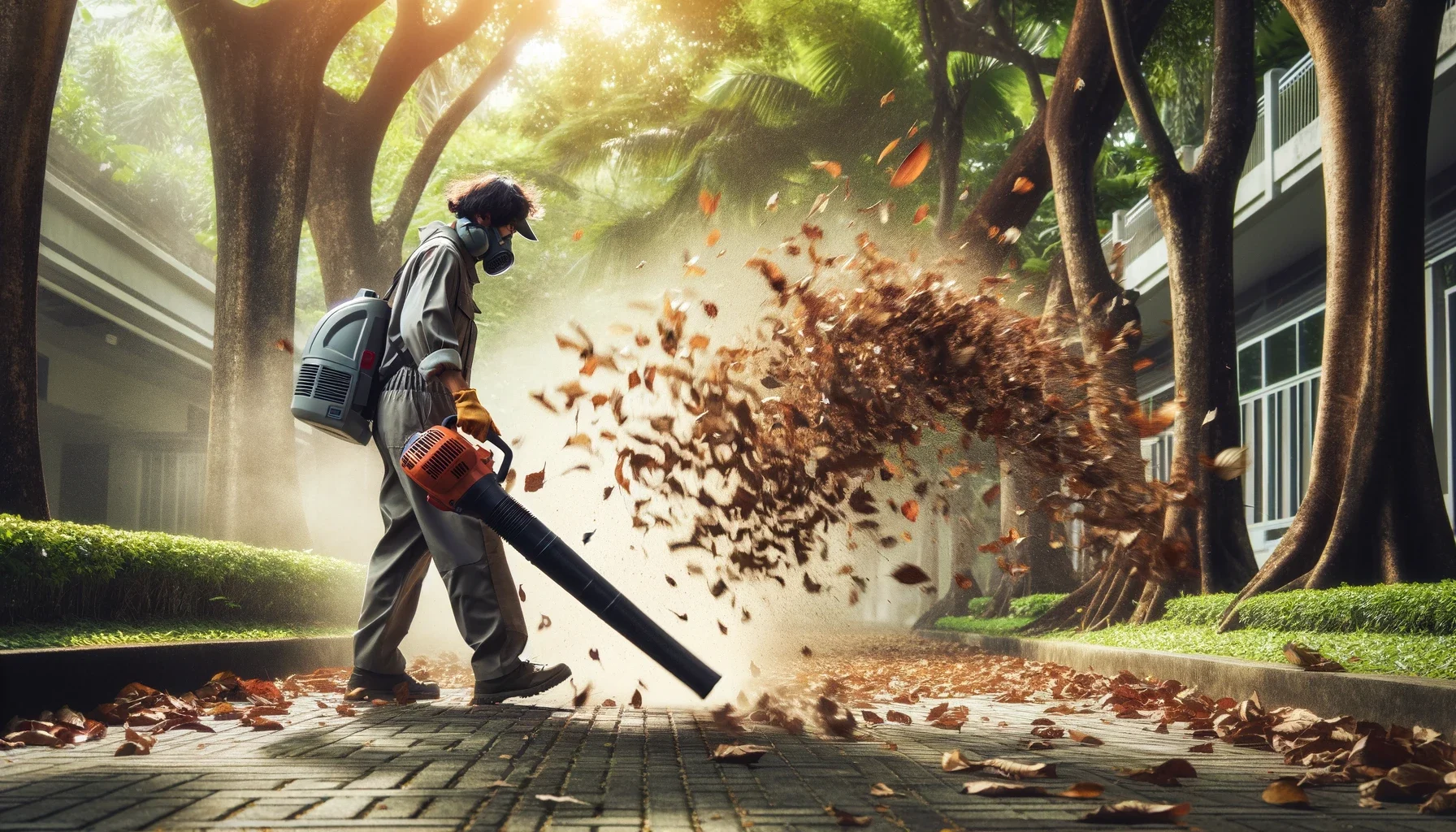
Winter is approaching, bringing cold temperatures that can take a toll on your home and yard. Taking steps now to prepare your lawn and home for the winter season protects your property from harsh weather and helps your lawn thrive when spring arrives. By addressing exterior maintenance, you can also reduce energy costs and keep your home warm and comfortable throughout the colder months.
KEY TAKEAWAYS
Learning how to prepare your yard for winter helps maintain a healthy lawn and garden through the colder months. Proper preparation prevents damage from harsh weather, promotes better growth in the spring, and keeps your yard looking tidy throughout winter.
Removing leaves, branches, and other debris from your lawn and garden beds prevents mold, disease, and encourages better air circulation, which helps your grass stay healthy.
Preparing your lawn for winter requires a few key steps that can keep it healthy and ready to thrive when spring arrives.
Dethatch if needed:
Aerate the soil:
Top-dress with enriched soil:
Fertilize for winter:
Overseed for a lush winter lawn:
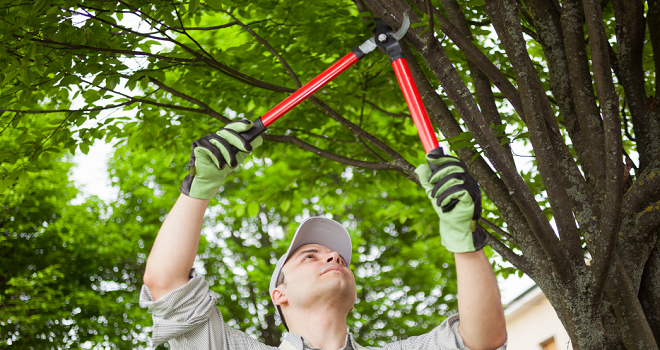
Pruning trees and shrubs helps prevent damage from heavy snow or ice and promotes healthy growth in the spring.
Taking steps to protect flower beds and potted plants helps them survive the winter and thrive when warmer weather returns. Some plants need more care to withstand cold temperatures, so it's important to prepare them properly.
Flower beds need attention before winter to protect both the soil and the plants. Taking these steps helps keep roots warm and prevents damage from frost.
Potted plants are more vulnerable to freezing because they lack the insulation that garden soil provides. Moving them to a safer location and elevating them off the ground can prevent damage from cold temperatures.
By following these steps, flower beds and potted plants can better endure winter conditions and be ready to flourish when spring arrives.
Preparing outdoor plumbing for winter prevents freezing and potential damage. When water is left in hoses, pipes, or irrigation systems, it can freeze and expand, leading to cracks and costly repairs. Follow these steps to protect your outdoor plumbing from cold weather.
To prevent freezing and cracking, all outdoor hoses should be drained and stored indoors.
Irrigation systems are especially vulnerable to freezing temperatures. Proper winterization prevents pipes and sprinkler heads from cracking.
Taking the time to drain and store hoses and winterize your irrigation system can save you from unexpected repairs.
Preparing your home’s exterior for winter helps to prevent drafts, leaks, and other issues that can arise during colder months. Regular inspections and maintenance will keep your home warm, secure, and free from weather-related damage.
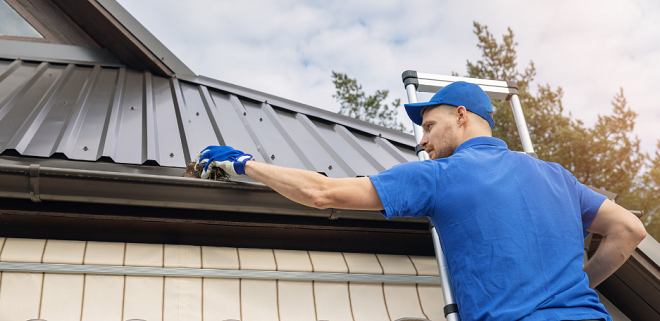
Keeping gutters clean is vital for preventing ice dams and water damage. Clogged gutters can lead to water overflow, which may freeze and cause ice dams that damage your roof and walls.
Examining your home’s exterior for gaps and openings helps prevent drafts and keeps your home well-insulated. Addressing these issues before winter can save on energy costs and protect your home from damage.
Damaged siding can lead to drafts and inadequate insulation, allowing cold air to seep into your home. Regularly checking your siding can help you identify and fix problems before they escalate.
If you discover significant siding issues, it may be best to consult a professional.
Windows are common sources of drafts if not properly sealed. Inspecting and sealing any gaps or leaks around windows can make a significant difference in keeping your home warm.
If you find that many windows have air leaks, consider replacing them with new, energy-efficient models.
A damaged roof can cause significant issues, including drafts and water leaks that harm your home’s insulation and interior structure. Regular roof inspections help catch these problems early.
If you notice any signs of roof damage, consider professional help.
By thoroughly inspecting and maintaining your home’s exterior, you can protect it from winter weather and keep it in excellent condition all year long.
Loading scheduler options...
Vinyl siding offers cold-climate homes durable protection against harsh winter weather while enhancing curb appeal and improving energy efficiency.

Discover how Ascend Cladding revolutionizes your siding options.

Upgrade your home's exterior with sustainable siding materials.

Discover the pros and cons of different types of siding, and find the best siding for your home.
A dishwasher basket is a removable container designed to securely hold small items like cutlery and utensils during the wash cycle, ensuring efficient cleaning without loss or damage.
A dishwasher end panel is a finishing piece installed on the exposed side of a dishwasher, primarily when it is at the end of kitchen cabinetry, to ensure a seamless and aesthetically pleasing look in the kitchen.
ENERGY STAR appliances are energy-efficient products that meet the strict energy efficiency specifications set by the U.S. Environmental Protection Agency or the U.S. Department of Energy. These appliances are designed to use less energy and water, leading to cost savings and a reduced environmental impact.
Hard water is water that contains high levels of dissolved minerals, particularly calcium and magnesium. It contrasts with soft water, which has lower concentrations of these minerals.
When your Payne central air conditioner won’t turn on or isn’t cooling, check for power problems, a failed capacitor, or a clogged condensate drain. This guide covers quick, safe troubleshooting steps and explains when to call Sears Home Services for expert central AC repair.
When your ICP central air conditioner won’t turn on or isn’t cooling, check for power problems, a failed capacitor, or a clogged condensate drain. This guide covers quick, safe troubleshooting steps and explains when to call Sears Home Services for expert central AC repair.
When your Heil central air conditioner won’t turn on or isn’t cooling, check for power problems, a failed capacitor, or a clogged condensate drain. This guide covers quick, safe troubleshooting steps and explains when to call Sears Home Services for expert central AC repair.
When your Carrier central air conditioner won’t turn on or isn’t cooling, check for power problems, a failed capacitor, or a clogged condensate drain. This guide covers quick, safe troubleshooting steps and explains when to call Sears Home Services for expert central AC repair.
When your Comfortmaker central air conditioner won’t turn on or isn’t cooling, check for power problems, a failed capacitor, or a clogged condensate drain. This guide covers quick, safe troubleshooting steps and explains when to call Sears Home Services for expert central AC repair.
When your Ruud central air conditioner won’t turn on or isn’t cooling, check for power problems, a failed capacitor, or a clogged condensate drain. This guide covers quick, safe troubleshooting steps and explains when to call Sears Home Services for expert central AC repair.