 Appointment Lookup
 213-596-2538

Perform these home maintenance tasks to help you enjoy a stress-free school year.
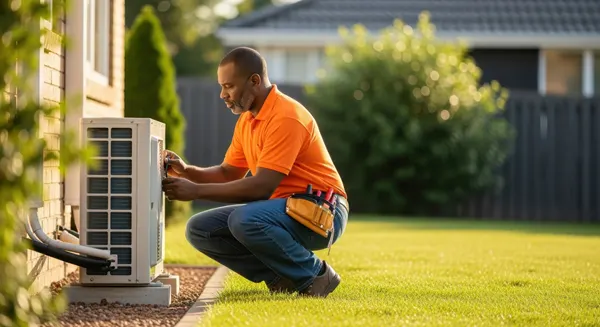
Miami’s hot, humid climate means homeowners depend on their HVAC systems nearly year-round. Unlike cooler cities, Miami’s coastal air, frequent storms, and high humidity create unique challenges that can wear down equipment faster than expected.
From excess moisture that leads to mold growth in air conditioning units to the strain of running nonstop during summer heat, servicing HVAC systems regularly becomes essential for comfort and efficiency. Problems like clogged filters, leaks, and worn-out components aren’t just inconvenient—they can drive up energy bills and shorten your system’s lifespan.
In some cases, issues may require more intensive solutions, such as AC duct mold cleaning or even replacing an HVAC unit that no longer keeps up. That’s where trusted experts like Sears Home Services step in, offering reliable Miami HVAC repair to keep your home cool and healthy despite local climate demands.
KEY TAKEAWAYS
Book a certified Miami HVAC technician today and keep your home cool all year long.
Living near the coast has its perks, but Miami’s salty air can be tough on HVAC systems. The constant exposure to salt and humidity accelerates corrosion, especially on coils and metal components. Over time, this damage restricts airflow and reduces heat transfer, forcing your system to work harder than it should.
Symptoms to Watch For: If you’ve noticed your air conditioner struggling to keep rooms cool, or if your energy bills keep rising even without extra usage, salt air corrosion could be the culprit. Rust or visible wear on your outdoor unit is another warning sign.
Prevention Tips: Protecting your system starts with proactive care. Regular coil cleaning helps remove salt deposits before they cause damage. Applying anti-corrosion coatings to vulnerable parts can also extend the life of your equipment. Scheduling routine professional HVAC maintenance visits ensures these steps are done properly and consistently.
Miami’s salty coastal air can take a serious toll on your HVAC system. Use this checklist to reduce corrosion and keep your unit running efficiently:
1. Schedule regular servicing HVAC inspections
– Have a professional check coils, fins, and outdoor components at least twice a year.
2. Clean coils frequently
– Rinse or professionally clean the coils to remove salt deposits that block airflow.
3. Apply anti-corrosion coatings
– Protective coatings help shield metal parts from rust and extend system lifespan.
4. Check for early symptoms
– Watch for reduced cooling efficiency, rising energy bills, or visible rust on your outdoor unit.
5. Consider location adjustments
– If possible, place your outdoor unit in a less exposed spot or install a protective barrier.
By following these steps—and relying on trusted help like Sears Home Services—you can slow down salt air damage and avoid premature replacing HVAC equipment.

Miami’s high humidity creates the perfect environment for mold and mildew to grow inside HVAC ductwork. When moisture lingers in your system, it can quickly lead to buildup that not only affects your equipment but also circulates through the air you breathe.
Risks to Be Aware Of: Mold and mildew in ducts can cause unpleasant odors, poor indoor air quality, and even potential health issues such as allergies or respiratory irritation. Left untreated, these problems may worsen and reduce the overall comfort of your home.
Maintenance Solutions: Preventing mold growth starts with reducing excess moisture. Installing dehumidifiers helps keep indoor humidity levels in check, while annual AC duct cleaning and inspection ensures any early signs of mold are addressed quickly. Many Miami homeowners also turn to UV light systems, which neutralize mold spores and bacteria directly in the ductwork for cleaner, healthier air.
Miami’s humid climate makes ductwork especially vulnerable to mold growth. Use this checklist to protect your system and indoor air quality:
Control indoor humidity
– Run dehumidifiers to keep humidity levels between 30–50%.
Schedule annual duct inspections
– Have a professional check for moisture, leaks, and early signs of mold growth.
Invest in AC mold cleaning when needed
– If mold is detected, professional duct cleaning removes buildup and prevents it from spreading.
Consider UV light systems
– UV lights inside ducts can neutralize mold spores and bacteria before they circulate through your home.
Maintain your HVAC system regularly
– Routine maintenance helps keep your system dry, efficient, and mold-free year-round.
By following these steps, Miami homeowners can reduce health risks, improve air quality, and avoid costly repairs caused by unchecked mold.
With Miami’s year-round humidity, your air conditioner is constantly pulling moisture from the air. That moisture drains through a small condensate line—but over time, algae and debris can build up inside, leading to stubborn clogs.
Symptoms to Watch For: A clogged AC drain line often shows up as water leaks around the indoor unit, damp spots near vents, or even complete AC shutdowns when the system’s safety switch trips. Left unresolved, standing water can cause damage to walls, ceilings, or floors.
Prevention Tip: Homeowners can help avoid costly repairs with a little DIY maintenance. Flushing the drain line monthly using vinegar or liquid chlorine bleach clears buildup and keeps water flowing freely. Pair this with regular servicing HVAC checkups to ensure your system runs smoothly even during Miami’s most humid days.
Miami’s humidity makes clogged drain lines a common HVAC problem. Follow these simple steps monthly to keep your system running smoothly:
1. Locate the drain line
– Usually a PVC pipe near the indoor AC unit.
2. Turn off the system
– Always shut down your HVAC before cleaning to prevent accidents.
3. Flush the line
Here’s a helpful video that illustrates the HVAC drain line flushing process:
Check for condensate drain line leaks or backups periodically. Inspect around the indoor unit for water puddles or damp spots when flushing the drain line. Follow the steps in the above video to clear the drain line if it gets clogged or schedule HVAC repair service to have a Sears Home Services technician unclog the drain.
Schedule a professional HVAC tune-up every spring. Technicians can deep clean the line and ensure there are no hidden blockages.
By staying consistent with these simple routines, Miami homeowners can prevent AC shutdowns, avoid water damage, and extend the life of their HVAC system.
When Miami’s temperatures climb above 90°F and humidity soars, HVAC systems are pushed to their limits. Running nonstop in these conditions puts heavy strain on motors, compressors, and other components—sometimes leading to breakdowns during the hottest days of the year.
Warning Signs: If your air conditioner is short cycling (turning on and off frequently), making loud noises, or failing to cool rooms evenly, it’s likely overworked. These issues don’t just reduce comfort—they can also signal bigger mechanical problems ahead.
Recommendations: Start with simple steps like replacing HVAC air filters on time—monthly, or every two weeks during peak summer months. Adjusting the thermostat slightly upward and using ceiling fans helps reduce system strain while keeping rooms comfortable. Program your thermostat to maintain a slightly higher temperature when nobody’s home, and schedule professional annual tune-ups before summer hits to keep your system reliable when you need it most.

When 90°+ days and high humidity hit, your HVAC works overtime. Use this checklist to prevent system strain and costly breakdowns:
Replace air filters on time
– Every month, or every 2 weeks during peak summer.
Watch for warning signs
– Short cycling, loud noises, or uneven cooling signal an overworked system.
Adjust the thermostat slightly upward
– A few degrees higher reduces strain while keeping rooms comfortable.
Use ceiling fans or area fans for support
– Helps circulate cool air and lowers perceived temperature.
Program the thermostat when away
– Set to a reasonably higher temperature to save energy and reduce wear.
Schedule annual servicing HVAC tune-ups
– Pre-summer maintenance keeps your system reliable during heat waves.
By following these steps, Miami homeowners can keep their AC systems efficient and avoid untimely breakdowns.
Miami homeowners know that hurricane season brings more than just heavy rain—it poses serious risks to HVAC systems. Wind-blown debris can dent or clog outdoor units, flooding can damage electrical components, and sudden power surges may burn out critical parts. Even a minor storm can leave lasting damage if your system isn’t properly protected.
Prevention Tips: Taking proactive steps helps safeguard your investment. Installing surge protectors shields your HVAC from dangerous voltage spikes. Hurricane covers and protective barriers can block flying debris while still allowing airflow. Securing your outdoor unit with proper brackets or tie-downs reduces the risk of it shifting or tipping during strong winds. Combined with regular servicing HVAC checkups, these precautions give your system the best chance to weather Miami’s storm season safely.

Miami storms and hurricanes can cause serious HVAC damage. Use this checklist to prepare your system before severe weather hits:
Install surge protectors
– Prevent power surges from frying motors, compressors, or circuit boards.
Use hurricane covers
– Shield outdoor units from flying debris while maintaining airflow.
Secure outdoor units
– Anchor with brackets or tie-downs to keep systems stable in high winds.
Inspect for flood risks
– Elevate units if possible or add protective barriers against water damage.
Schedule professional HVAC maintenance and inspections
– A pre-season check ensures your system is ready for storms and easier to repair if damage occurs.
By preparing ahead, Miami homeowners can minimize costly repairs and keep HVAC systems resilient through hurricane season.
From salt air corrosion to mold in ductwork, clogged drain lines, overworked systems, and even storm damage, Miami’s climate puts unique demands on every HVAC system. Staying ahead of these problems means more than just comfort—it protects your health, lowers energy bills, and extends the life of your equipment.
Sears Home Services is here to help. Our local experts understand Miami’s heat, humidity, and hurricane risks, and we provide reliable solutions tailored to your home. Whether you need servicing HVAC maintenance, AC mold cleaning, or even replacing HVAC equipment, we’ve got you covered.
Don’t wait until a breakdown leaves you without cooling on the hottest day of the year. Schedule your HVAC service with Sears Home Services today and enjoy peace of mind all year long.
HVAC checkups from Sears Home Services help keep your heating and cooling system running at its best. Prevent costly repairs and can make your HVAC system more energy efficient with routine maintenance.
Loading scheduler options...
Perform these home maintenance tasks to help you enjoy a stress-free school year.

Understanding the various AC air filter ratings helps you determine which type of filter is right for your home.

Discover if using a ceiling fan with an air conditioner is a good idea. Get expert advice from Sears Home Services.

Learn how to weatherize your home for summer and save on energy bills. Get expert tips and tricks from Sears Home Services.
The 608 Certification, mandated by the Environmental Protection Agency (EPA), is required for HVAC technicians to legally handle refrigerants. It ensures technicians understand refrigerant types, environmental impact, and proper handling techniques.
A compressor is a mechanical device that increases the pressure of a gas by reducing its volume, essential in various systems including refrigerators, air conditioners, and HVAC units for cooling and refrigeration processes.
A condenser is a component of HVAC and refrigeration systems, responsible for releasing absorbed heat from the refrigerant into the outside air or a water line, thus facilitating the cooling process.
A capacitor in an AC unit is an electrical component that stores and releases electrical energy to help start the motor and stabilize the voltage during operation.
When your Payne central air conditioner won’t turn on or isn’t cooling, check for power problems, a failed capacitor, or a clogged condensate drain. This guide covers quick, safe troubleshooting steps and explains when to call Sears Home Services for expert central AC repair.
When your ICP central air conditioner won’t turn on or isn’t cooling, check for power problems, a failed capacitor, or a clogged condensate drain. This guide covers quick, safe troubleshooting steps and explains when to call Sears Home Services for expert central AC repair.
When your Heil central air conditioner won’t turn on or isn’t cooling, check for power problems, a failed capacitor, or a clogged condensate drain. This guide covers quick, safe troubleshooting steps and explains when to call Sears Home Services for expert central AC repair.
When your Carrier central air conditioner won’t turn on or isn’t cooling, check for power problems, a failed capacitor, or a clogged condensate drain. This guide covers quick, safe troubleshooting steps and explains when to call Sears Home Services for expert central AC repair.
When your Comfortmaker central air conditioner won’t turn on or isn’t cooling, check for power problems, a failed capacitor, or a clogged condensate drain. This guide covers quick, safe troubleshooting steps and explains when to call Sears Home Services for expert central AC repair.
When your Ruud central air conditioner won’t turn on or isn’t cooling, check for power problems, a failed capacitor, or a clogged condensate drain. This guide covers quick, safe troubleshooting steps and explains when to call Sears Home Services for expert central AC repair.