 Appointment Lookup
 213-596-2538
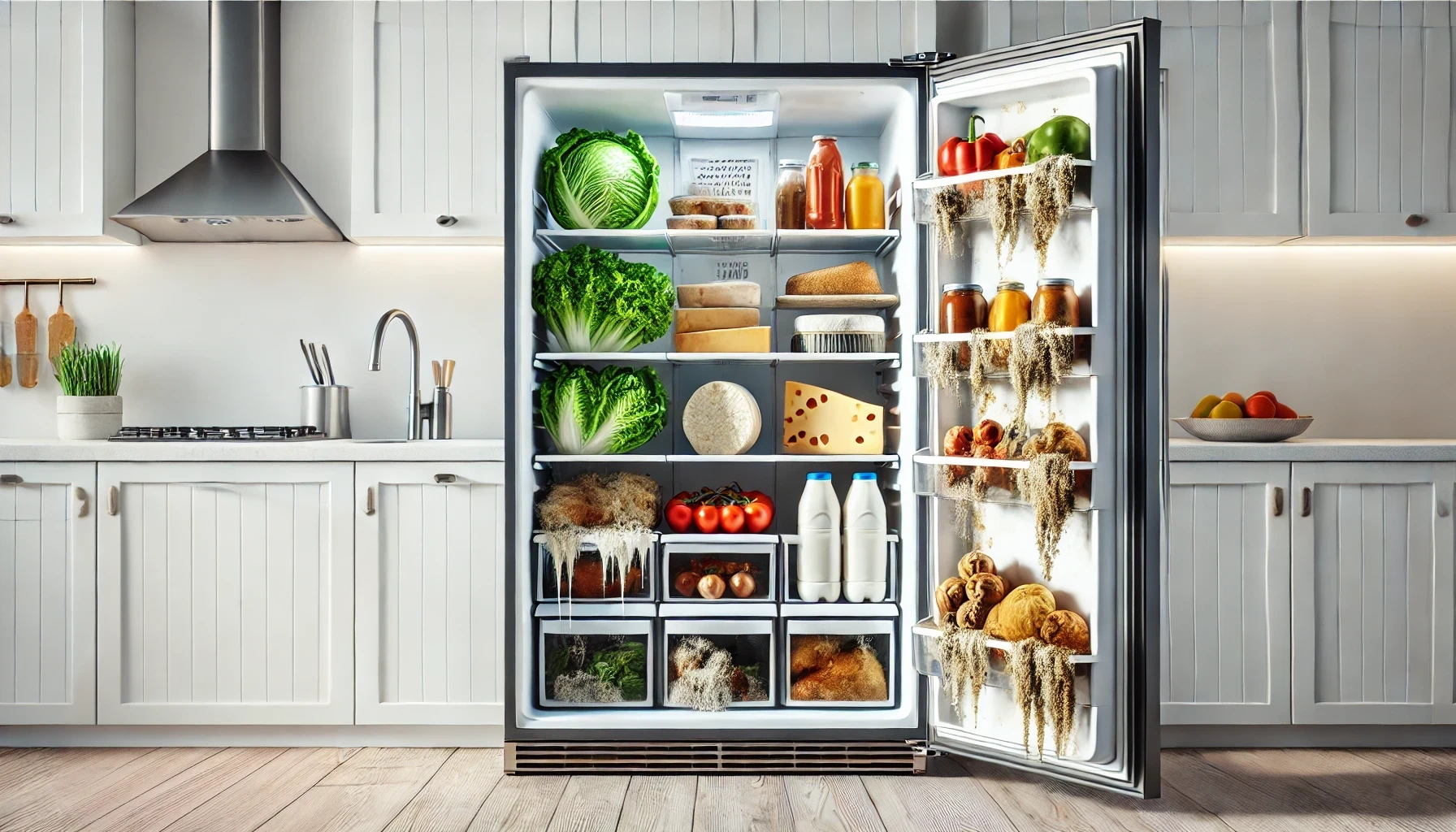
Discover the top 10 refrigerator and freezer hacks to keep your food safe, save energy, and extend appliance lifespan with easy, actionable tips!

Storing a refrigerator outside might seem like a convenient solution, especially if you’re short on space indoors or need extra cold storage for beverages and food. However, this decision comes with critical factors to consider.
Placing a refrigerator in an outdoor environment such as a garage, patio, or porch can impact its performance, efficiency, and lifespan. Before you haul that fridge outside, let’s break down what you need to know to make the best choice.
KEY TAKEAWAYS
Refrigerators are designed to operate within a specific temperature range, known as the ambient temperature range. This range typically falls between 50°F and 85°F, depending on the model. When placed outside, the refrigerator faces two extremes:
In cold climates, outdoor temperatures can drop below the refrigerator’s designed operating range. When this happens, the thermostat inside the fridge may stop running the compressor because it senses that it’s already cold enough.
While this might sound energy-efficient, it can lead to the freezer thawing, as it relies on the same cooling system as the refrigerator section. Items like frozen meat or ice cream could spoil.
In hot climates, excessive heat forces the refrigerator to work overtime to maintain its internal temperature. This strain increases energy consumption and could damage the compressor over time.
Additionally, the unit may struggle to cool effectively, putting your stored food at risk.
Rain, snow, and humidity can wreak havoc on a refrigerator’s electrical components. Rust and corrosion can develop on the exterior and internal wiring, leading to premature failure.
Not all refrigerators can handle outdoor environments, but some models are built for the job. If you plan to store a fridge outside, look for one explicitly labeled as an outdoor refrigerator.
These units come with weather-resistant coatings, robust seals, and specialized components designed to withstand temperature fluctuations and exposure to the elements.
Keep in mind that even outdoor-rated refrigerators need proper care. A covered area like a patio or gazebo provides some protection against rain and direct sunlight.
Additionally, check the manufacturer’s guidelines to ensure the unit fits the temperature range of your climate.

If you want to place a standard refrigerator outside, you can take steps to minimize the risks:

In addition to regular maintenance and cleaning, schedule professional refrigerator maintenance and cleaning service yearly by a Sears Home Services technician. Our techs are experienced experts in all types of refrigeration service. We’ll help you keep your outdoor refrigerator in top shape and running smoothly all year long.
Storing a refrigerator in the garage brings its own challenges.
Garages often experience temperature extremes similar to the outdoors. However, some refrigerators are marketed as garage-ready or garage-optimized, designed to handle wider temperature swings. These models work well if you live in a region with moderate climate fluctuations.
You can store a refrigerator outside, but doing so requires thoughtful planning and the right equipment.
Outdoor-rated refrigerators offer the most reliable option, but even they need protection from the elements. If you opt for a standard refrigerator, make adjustments to shield it from extreme temperatures, moisture, and dirt.
By taking these steps, you can enjoy the convenience of outdoor refrigeration without sacrificing performance or longevity. Whether it’s for extra storage, a backyard bar, or a garage workspace, proper setup ensures your refrigerator stays cool, efficient, and durable.
Yes, you can certainly use a garage-ready refrigerator inside you home. Garage-ready refrigerators are designed to operate in a wide range of ambient temperature extremes and the temperature that the fridge will encounter while inside your home is certain to be well within that designed operating range.
A garage-ready refrigerator is designed to operate in a much wider range of ambient temperatures and humidity conditions. An indoor fridge is restricted to a climate-controlled temperature range and humidity conditions. A garage ready refrigerator will often have a heating coil and a secondary thermostat to help the fridge cool properly in cold weather. Together, these elements deceive the refrigerator's main thermostat into activating the cooling cycle more frequently, thus countering the cold conditions of a garage. This setup includes a heating coil that attaches near the refrigerator's thermostat and a secondary thermostat that monitors and controls the heating coil's temperature.
If a refrigerator is garage ready or has a garage kit installed, it will work in the winter even in cold conditions. A garage-ready refrigerator has a thermostat and sensing components that will compensate for the colder weather and keep the fridge operating normally. If you install a garage it on your fridge, the garage kit will warm the main thermostat so the fridge cycles on more often in cold weather to keep the refrigerator compartment cool.
Some households need more refrigerator capacity and don’t have room for an extra fridge inside the house. Also, an extra refrigerator in the garage lets you buy food in bulk for savings because you have the capacity to store extra food in the garage fridge. Also, a garage fridge is a necessity when you use the garage as a man-cave.
Extend the lifespan of your refrigerator and prevent unexpected and costly breakdowns with our routine maintenance service.
Loading scheduler options...
Discover the top 10 refrigerator and freezer hacks to keep your food safe, save energy, and extend appliance lifespan with easy, actionable tips!

Discover 10 surprising and easy solutions to eliminate gnats from your home for good—#6 will completely change the game!

Stay informed about food safety with our comprehensive food storage guidelines, covering everything from dairy to meat to vegetables.

Ensure your refrigerator's efficiency with regular maintenance. Learn 3 key reasons why it's important and get expert tips from Sears Home Services.
A compressor is a mechanical device that increases the pressure of a gas by reducing its volume, essential in various systems including refrigerators, air conditioners, and HVAC units for cooling and refrigeration processes.
A condenser is a component of HVAC and refrigeration systems, responsible for releasing absorbed heat from the refrigerant into the outside air or a water line, thus facilitating the cooling process.
A dual ice maker is a feature in some refrigerators that includes two separate ice makers: one in the fridge compartment and another in the freezer section. This setup doubles the appliance's ice-making capacity.
A French-door refrigerator features two doors that open side-by-side on the top section for the refrigerator compartment, with a bottom freezer drawer, combining style, efficiency, and easy access to both refrigerated and frozen goods.
The most common reasons your LG refrigerator icemaker reset button is not working are a faulty icemaker, a malfunctioning PCB, or a defective water valve.
The most common reasons your Samsung refrigerator is leaking water are a clogged defrost drain, cracked dispenser water tubing or a damaged evaporator.
The most common reasons your Kenmore Elite refrigerator stopped working are a locked compressor, damaged evaporator or a defective electronic control board.
The most common reasons your Maytag refrigerator stopped working are a locked compressor, damaged evaporator or a defective electronic control board.
The most common reasons your Kenmore refrigerator is noisy are a faulty ice maker assembly, defective electronic control board or a locked compressor.
The most common reasons your Kenmore refrigerator fan is not working are a defective electronic control board, damaged evaporator or a locked compressor.