 Appointment Lookup
 213-596-2538
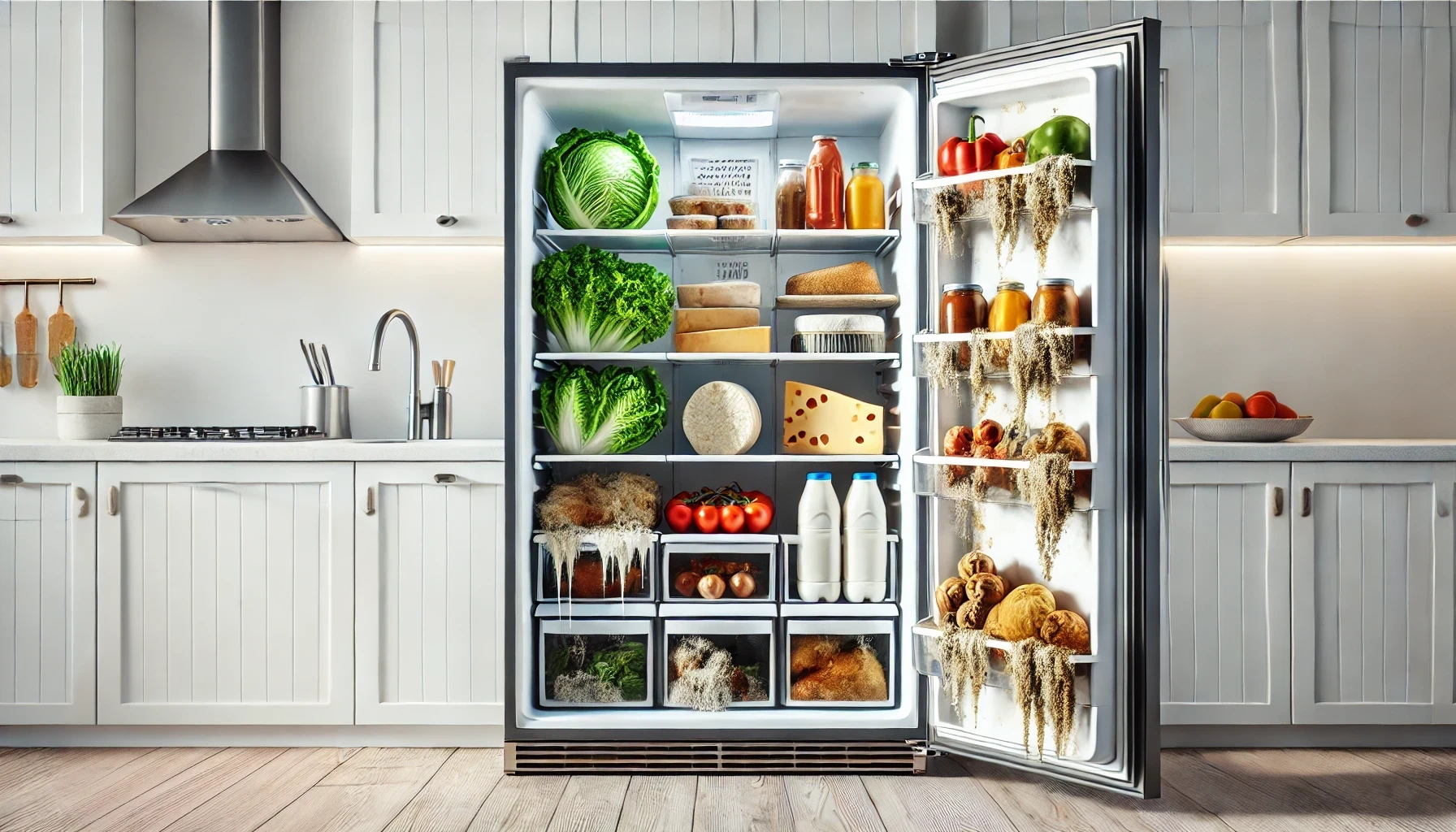
Discover the top 10 refrigerator and freezer hacks to keep your food safe, save energy, and extend appliance lifespan with easy, actionable tips!

A second refrigerator can be a game-changer for large families or anyone who likes to stock up on groceries during sales. But before you roll that old fridge into your garage, it’s crucial to understand whether it’s the right choice for your household.
Garage fridges can be a boon—or a burden—depending on factors like energy consumption, temperature fluctuations, family size, and food safety. Let’s dive into the nitty-gritty to help you make the best decision.
KEY TAKEAWAYS
Consider these important factors when deciding whether to keep a second fridge/freezer in your garage.
Your garage’s ambient temperature plays a critical role in a refrigerator’s performance and longevity.
Most standard refrigerators are built to operate within a set ambient temperature range (usually 50–100°F). If your garage doesn’t stay within this range, your fridge might struggle—or fail outright.
If your garage experiences extreme temperatures, consider adding insulation or installing a small climate control unit such as a portable AC or heater to protect your fridge during extreme conditions.
Refrigerators are energy-intensive appliances, and older models are notorious for being inefficient.
Moving an older fridge to your garage might seem economical, but it could lead to skyrocketing energy bills and/or food safety risks. Here’s why:
Pro Tip: Invest in a refrigerator designed for garages. These models have reinforced insulation and powerful compressors to handle extreme temperatures efficiently.
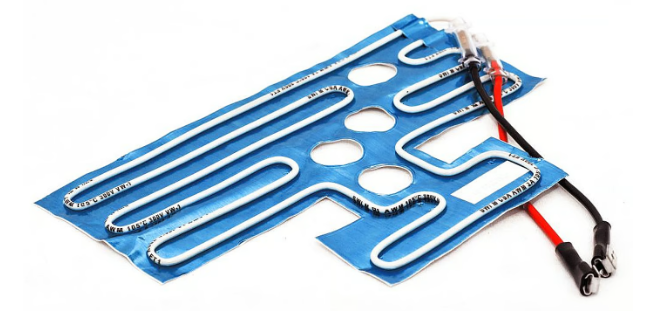
Some refrigerators have a garage kit available that enhances the refrigerator's operational efficiency by aligning the cooling cycle more closely with the actual needs of the appliance, despite external ambient temperatures.
If you have a refrigerator that you’re considering moving into the garage and it has a garage kit available, schedule refrigerator service and have a technician install that kit to help keep your fridge operating efficiently and keep your food safe.
A second refrigerator makes the most sense for larger families or those who entertain often.
Extra storage space can reduce trips to the grocery store and allow you to stock up on bulk items. But for smaller families, the additional costs might outweigh the benefits.
Ask yourself:
Weigh your refrigerated food storage needs against energy and maintenance costs to determine whether a second fridge is truly necessary.
Storing food in a second fridge can lead to spoilage if you’re not careful.
Garage fridges are more susceptible to temperature swings, which can compromise food safety.
If you do plan to use a garage refrigerator, follow these expert tips to keep food safe:
Here’s a helpful video that shows how to clean refrigerator condenser coils:
Refer to the tech sheet or online information about your fridge to run a forced defrost sequence if necessary. You can typically find the tech sheet behind the bottom front toe panel, on the back of the fridge or through a web search.
Finally, food safety isn’t just about temperature. Always label items with purchase or preparation dates to avoid accidental spoilage.
Not all refrigerators are built to thrive in a garage environment. Standard models often struggle with fluctuating temperatures, leading to breakdowns and frequent repairs. Consider these factors:
Consider covering your extra fridge (and all of your appliances) with a home warranty. Top home warranties such as our Sears Protect Home Warranty will cover a second fridge at no extra cost. See all of the benefits of a Sears Protect Plan on our Home Warranty page.
Adding a second refrigerator in your garage can be a smart move if your family truly needs the extra storage. However, it’s not a one-size-fits-all solution. Evaluate your garage’s climate, your energy budget, and your family’s storage needs before committing.
If you decide to go for it, choose a model designed for garages, and take steps to regulate your garage’s temperature. With proper planning and maintenance, your second refrigerator can be a reliable asset instead of a costly liability.
Extend the lifespan of your refrigerator and prevent unexpected and costly breakdowns with our routine maintenance service.
Loading scheduler options...
Discover the top 10 refrigerator and freezer hacks to keep your food safe, save energy, and extend appliance lifespan with easy, actionable tips!

Discover 10 surprising and easy solutions to eliminate gnats from your home for good—#6 will completely change the game!

Stay informed about food safety with our comprehensive food storage guidelines, covering everything from dairy to meat to vegetables.

Ensure your refrigerator's efficiency with regular maintenance. Learn 3 key reasons why it's important and get expert tips from Sears Home Services.
A compressor is a mechanical device that increases the pressure of a gas by reducing its volume, essential in various systems including refrigerators, air conditioners, and HVAC units for cooling and refrigeration processes.
A condenser is a component of HVAC and refrigeration systems, responsible for releasing absorbed heat from the refrigerant into the outside air or a water line, thus facilitating the cooling process.
A dual ice maker is a feature in some refrigerators that includes two separate ice makers: one in the fridge compartment and another in the freezer section. This setup doubles the appliance's ice-making capacity.
A French-door refrigerator features two doors that open side-by-side on the top section for the refrigerator compartment, with a bottom freezer drawer, combining style, efficiency, and easy access to both refrigerated and frozen goods.
The most common reasons your LG refrigerator icemaker reset button is not working are a faulty icemaker, a malfunctioning PCB, or a defective water valve.
The most common reasons your Samsung refrigerator is leaking water are a clogged defrost drain, cracked dispenser water tubing or a damaged evaporator.
The most common reasons your Kenmore Elite refrigerator stopped working are a locked compressor, damaged evaporator or a defective electronic control board.
The most common reasons your Maytag refrigerator stopped working are a locked compressor, damaged evaporator or a defective electronic control board.
The most common reasons your Kenmore refrigerator is noisy are a faulty ice maker assembly, defective electronic control board or a locked compressor.
The most common reasons your Kenmore refrigerator fan is not working are a defective electronic control board, damaged evaporator or a locked compressor.